Free DIY pest control guides




Middle half of 53 shared pro quotes to trap and seal: $1,400–$3,000. Supplies to do it yourself: $65.22.
Start here
Found droppings under the sink?
Pick what you found and we’ll take you to the right guide: what it is, how serious it is, and what to do tonight.
What did you find?




 Bed bugs
 Fleas
Fleas Mosquitoes
 Mice
Mice Cockroaches
From “what is that?” to handled.
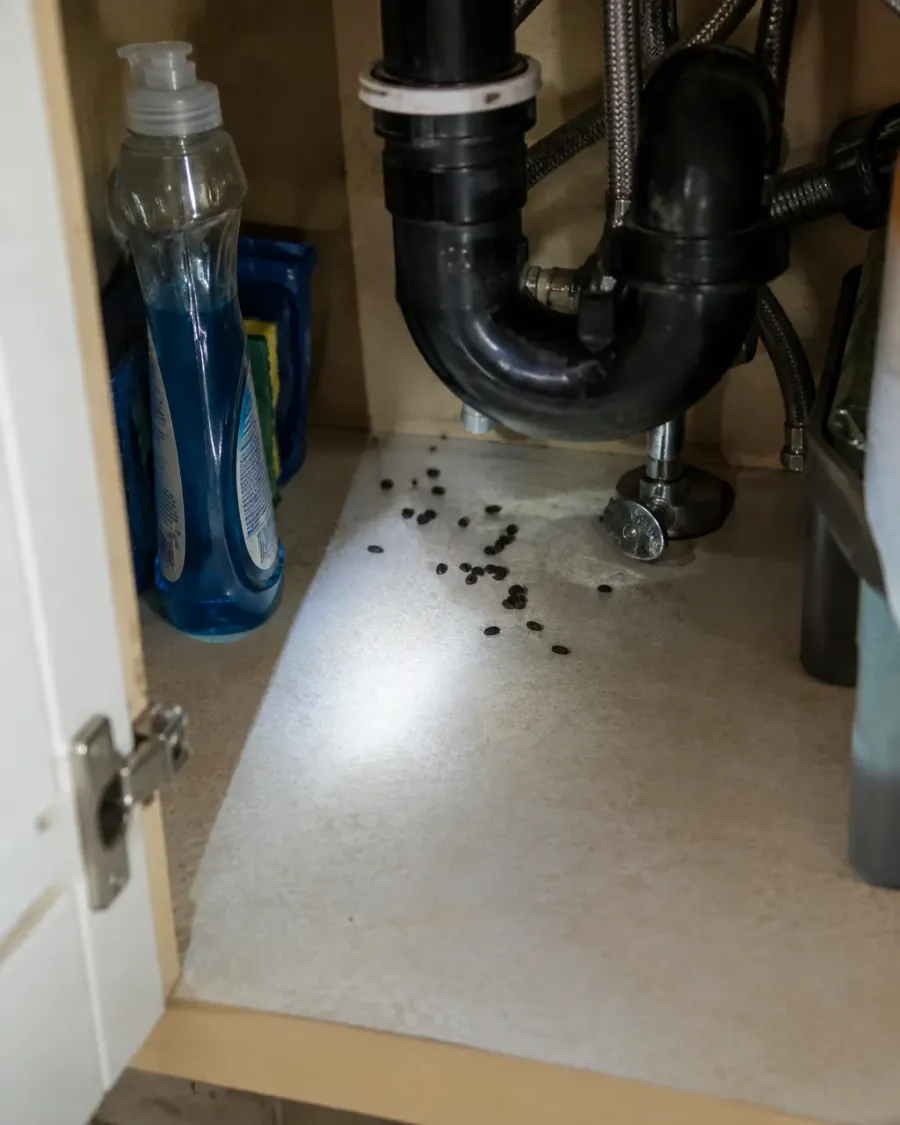
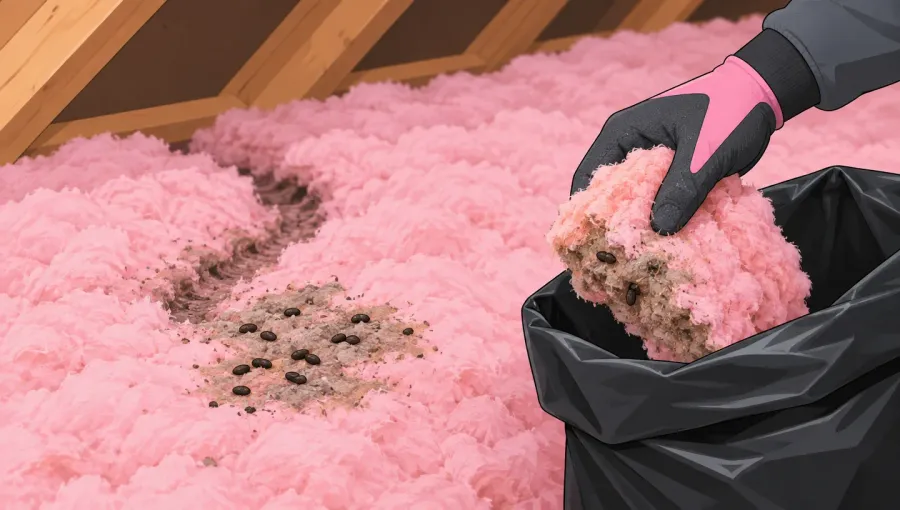
One real case: droppings under the kitchen sink.
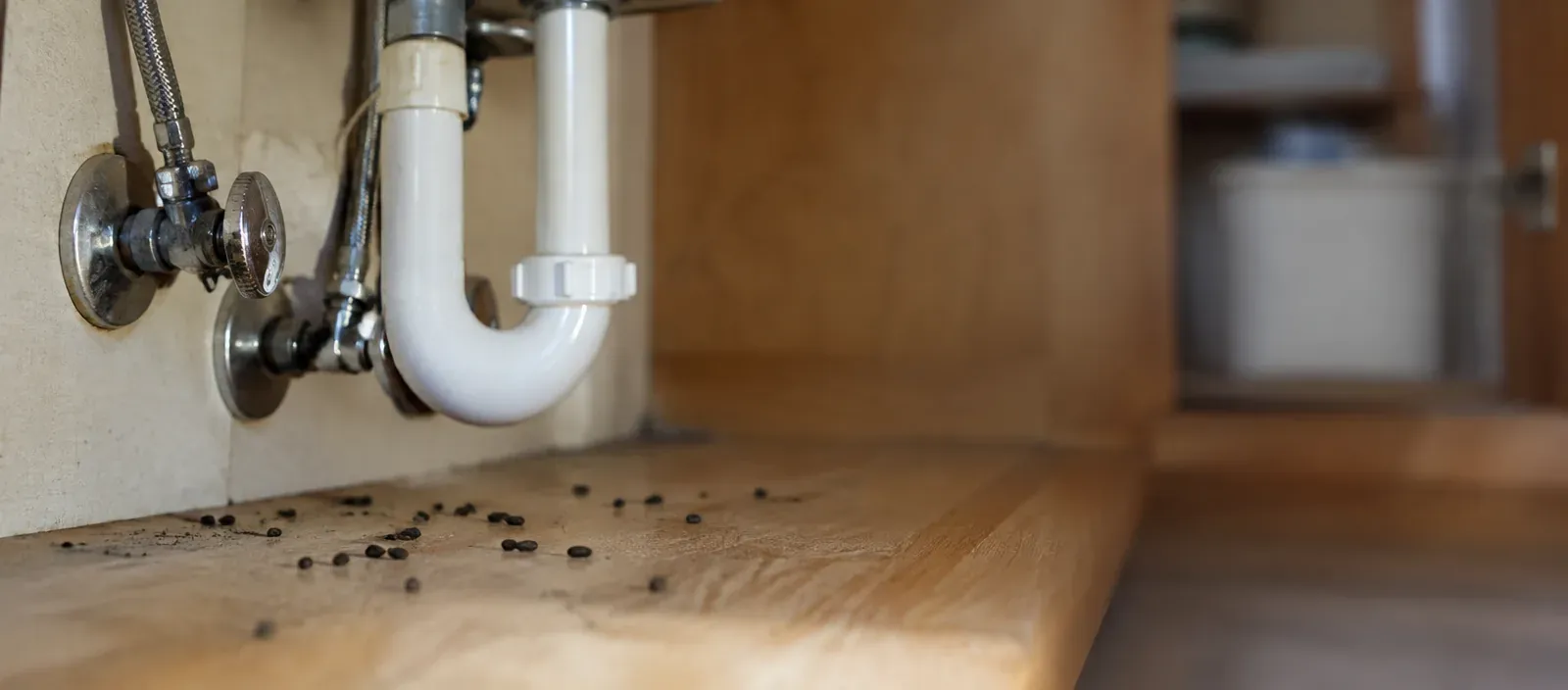
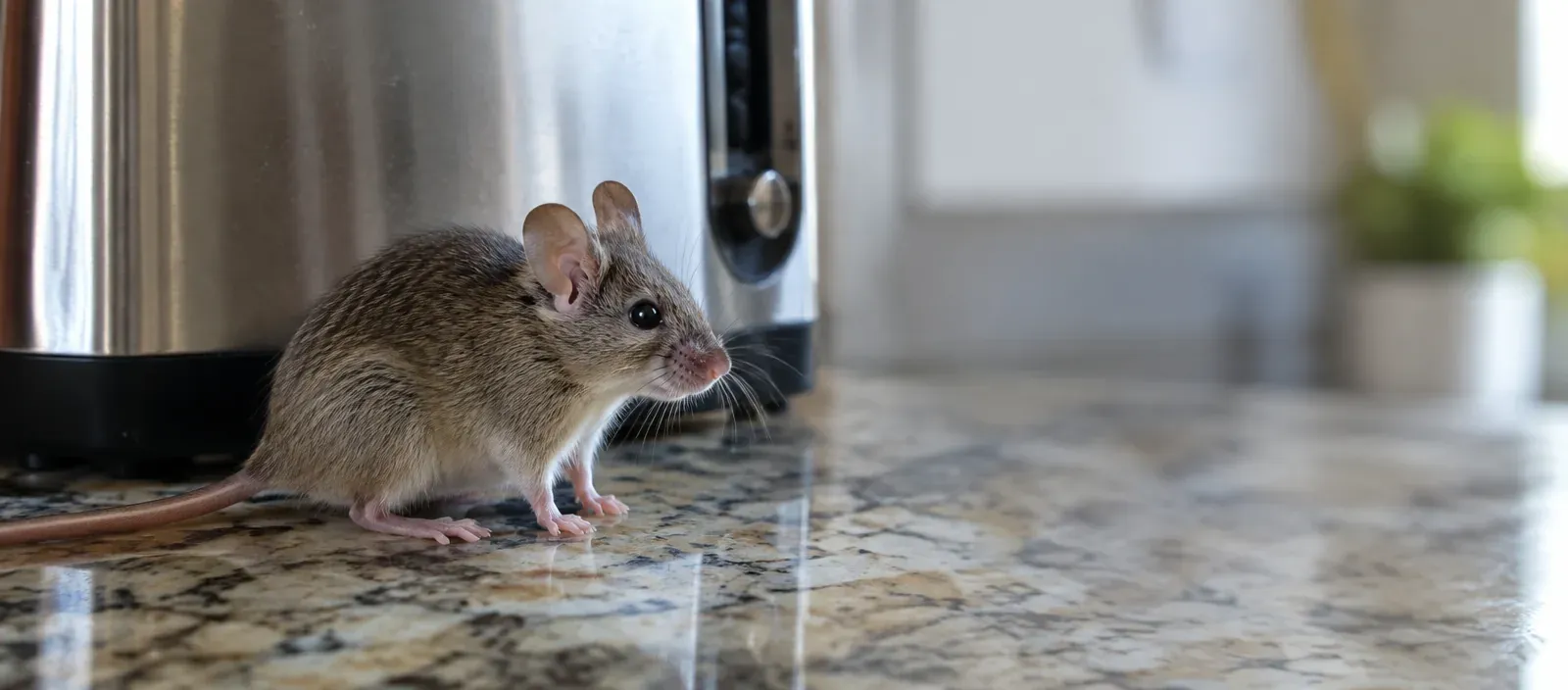
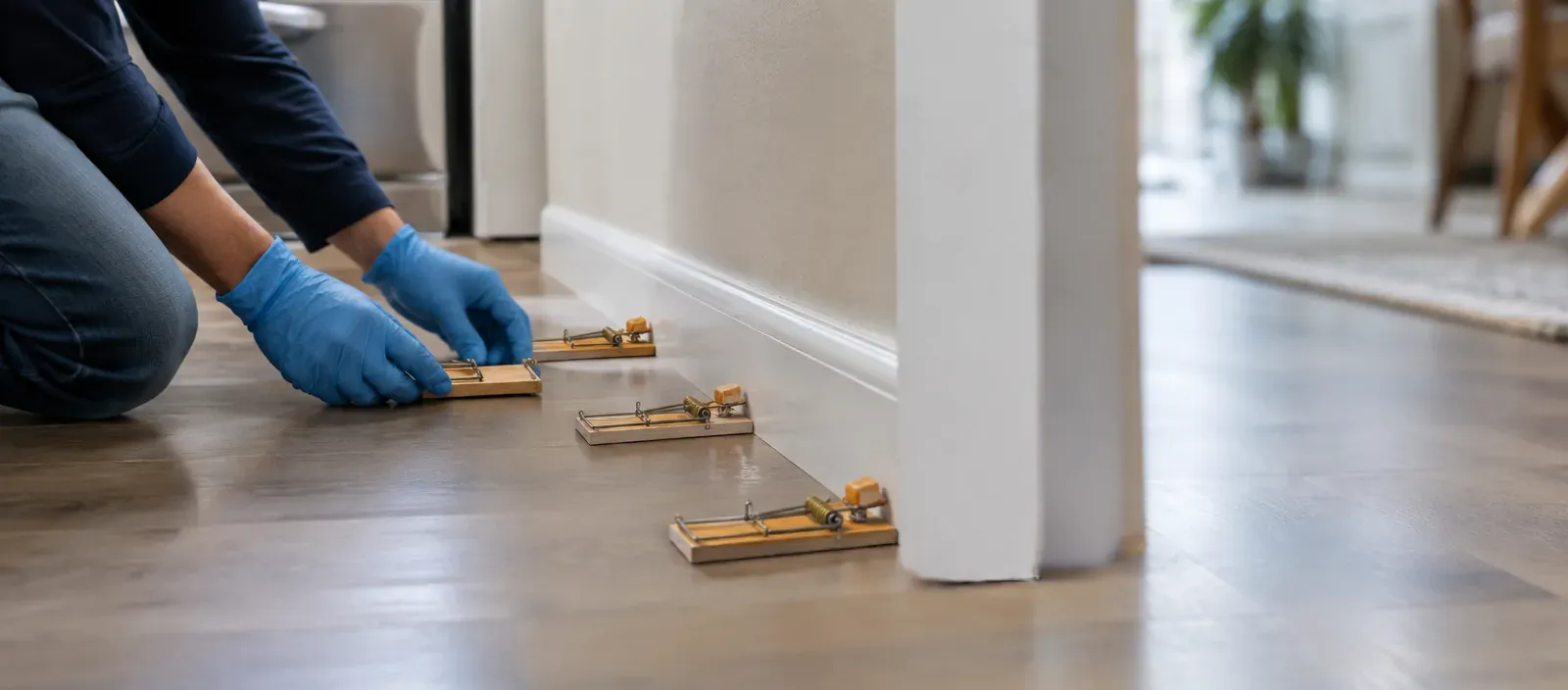
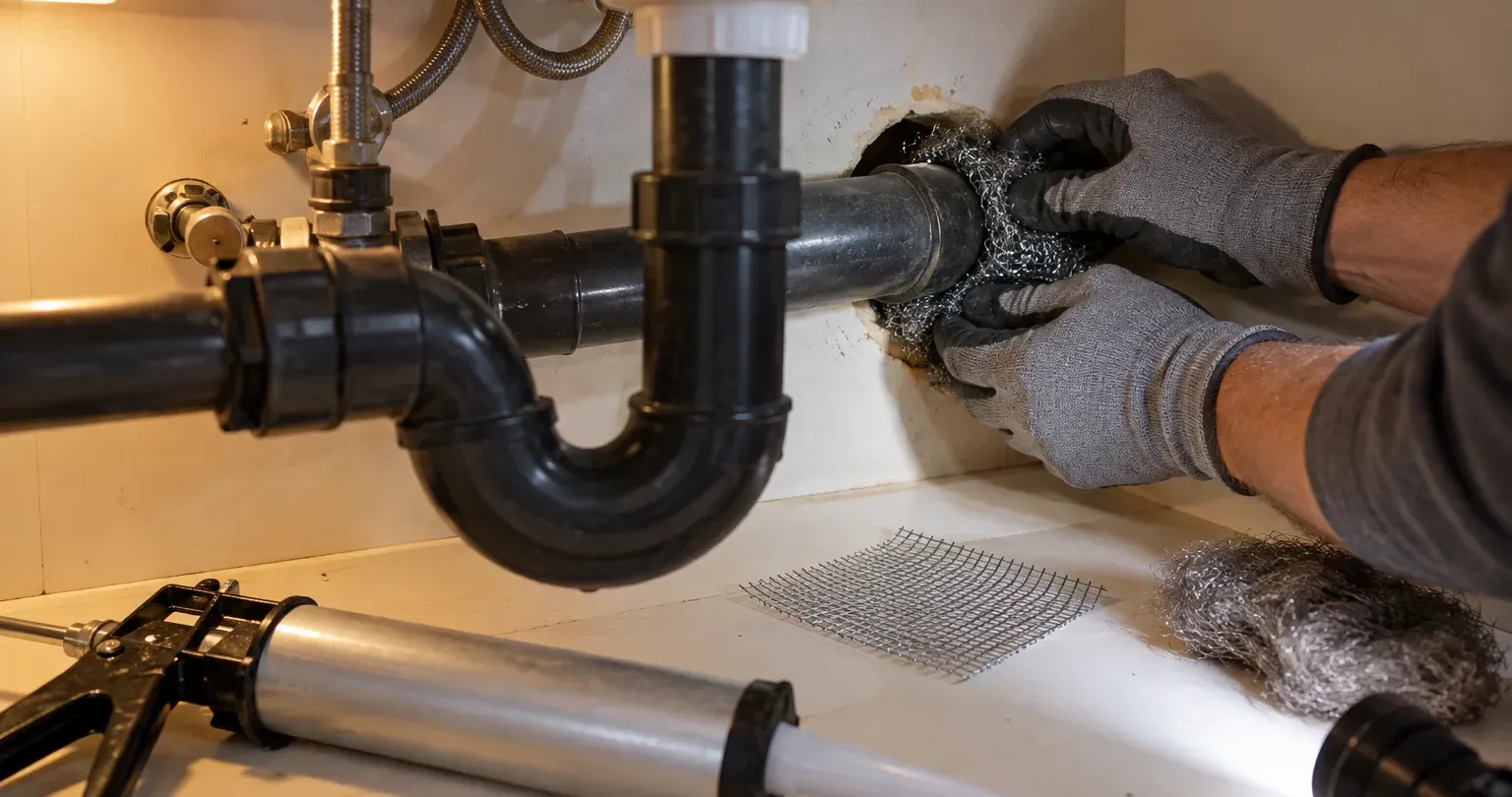
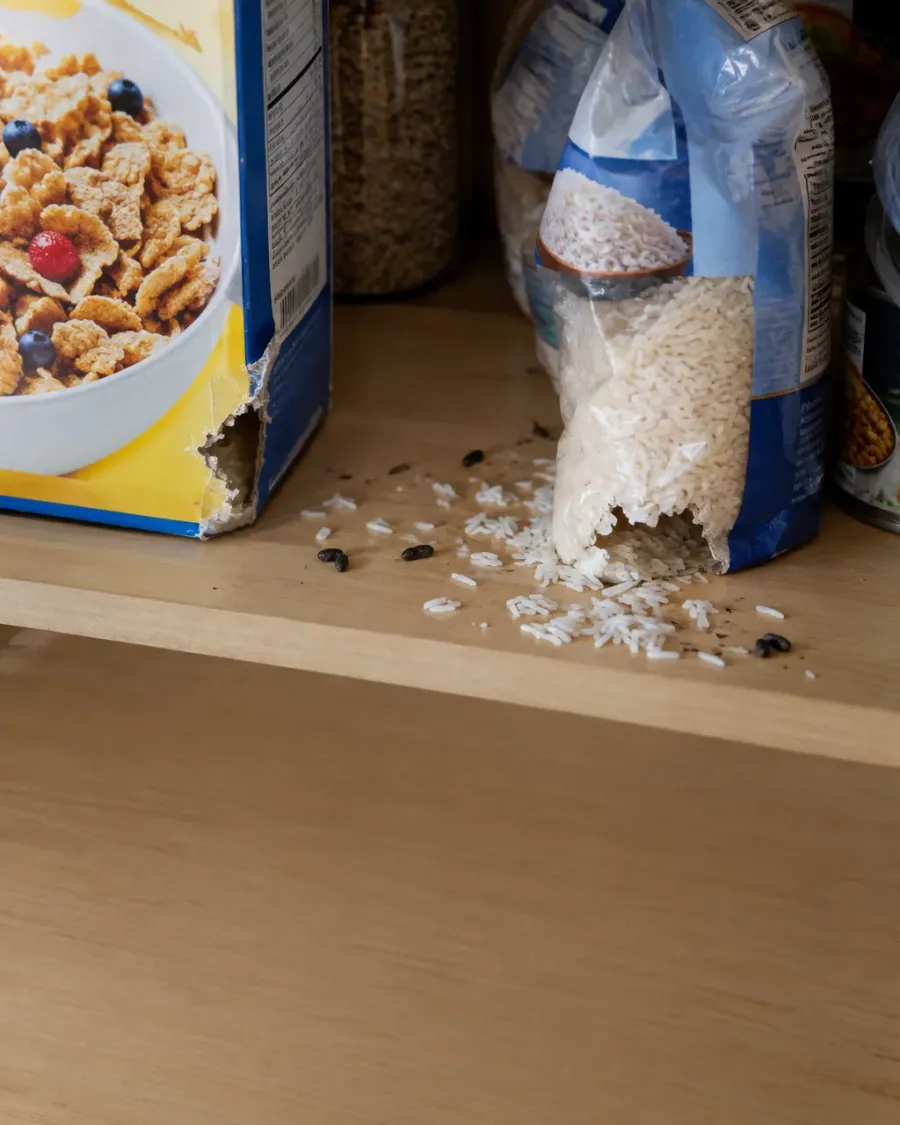
Rice-size, pointed, dark and shiny.
Fresh, so something is active nowCheck your own droppings House mice
Mouse droppings are about ¼ inch. Rat droppings run ½ to ¾ inch.
Mouse vs. rat droppings- Soak droppings in bleach, then wipe
- Snap traps flat against the wall
- Food into sealed containers
Shared pro quotes to trap and seal run $1,400–$3,000. You're done after a week with no new droppings.
Open the mice planIs your exterminator quote fair?


Pest.gg Research · 8 min read
We analyzed 5,315 real exterminator quotes.
Two companies looked at the same old farmhouse. One quoted $500. The other quoted $3,500.
 The attic upsell$8,700the same rodent job once new insulation is added
 Mice and rats$1,800typical quote to trap and seal the houseIn their own words · 3,760 complaints“We have mice in our attic. Pest control company wants something like $10-15K to remove and replace our insulation.”
 r/pestcontrol · Feb 2024Sold extra workNational chains3.2×more than local companies quoted to seal out mice or rats
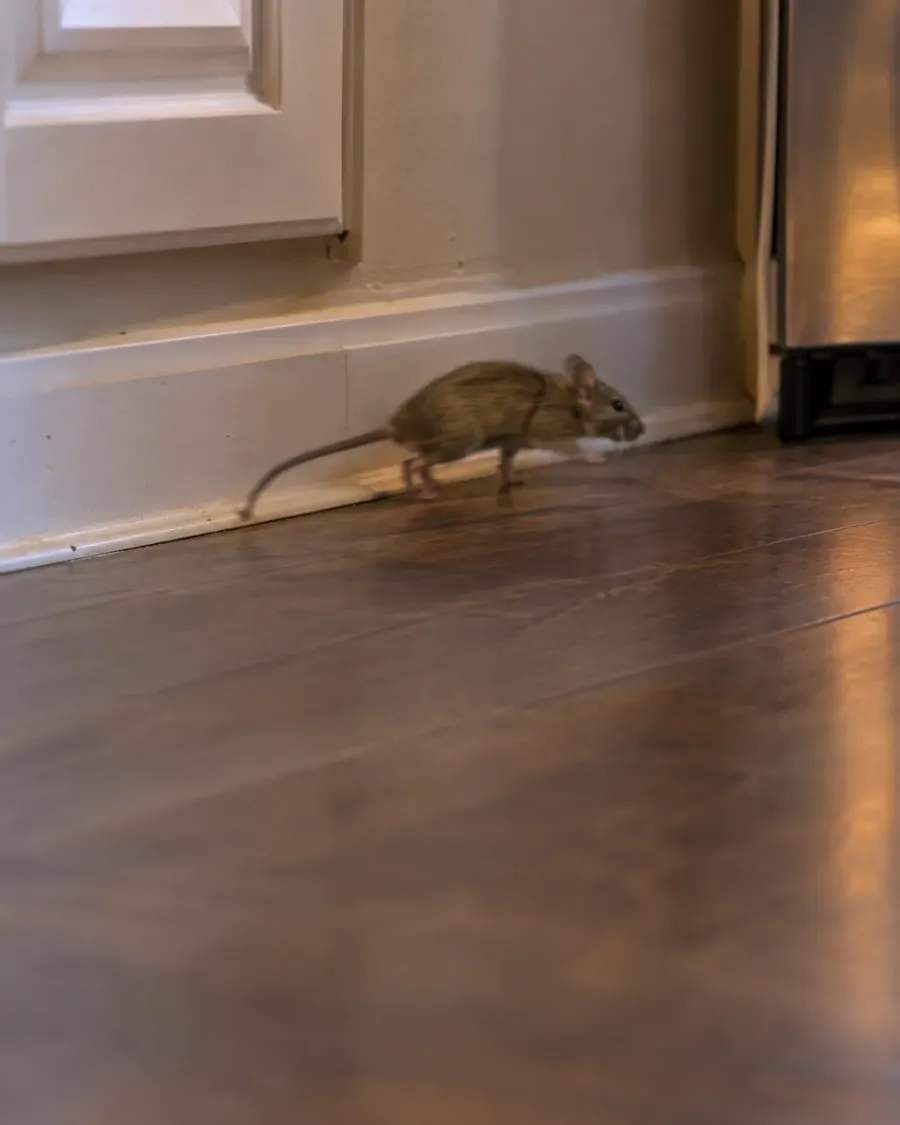
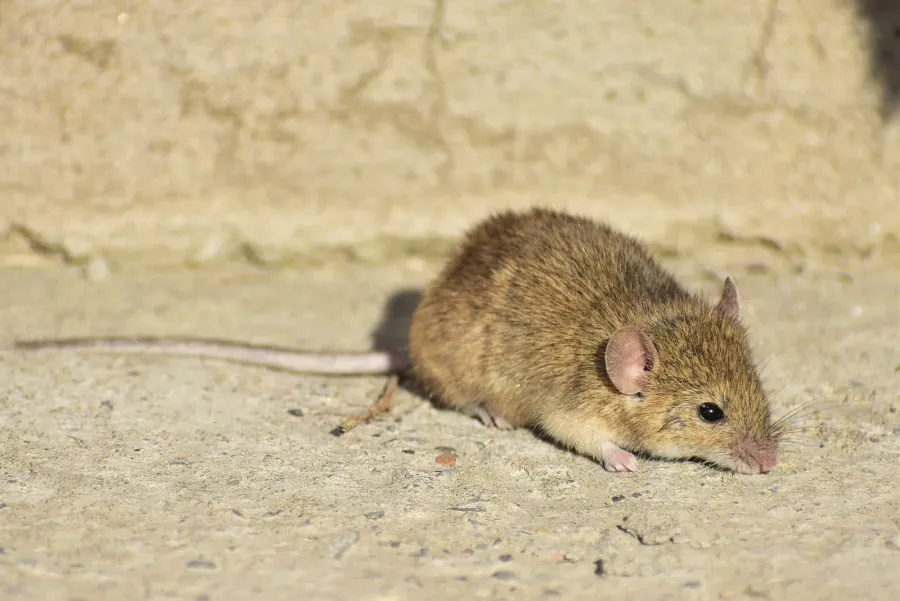
Source: Pest.gg analysis of 5,315 pest control quotes shared on Reddit, 2020–2026. Mouse photo: Amirekul, CC BY-SA 4.0.
Where they get in.
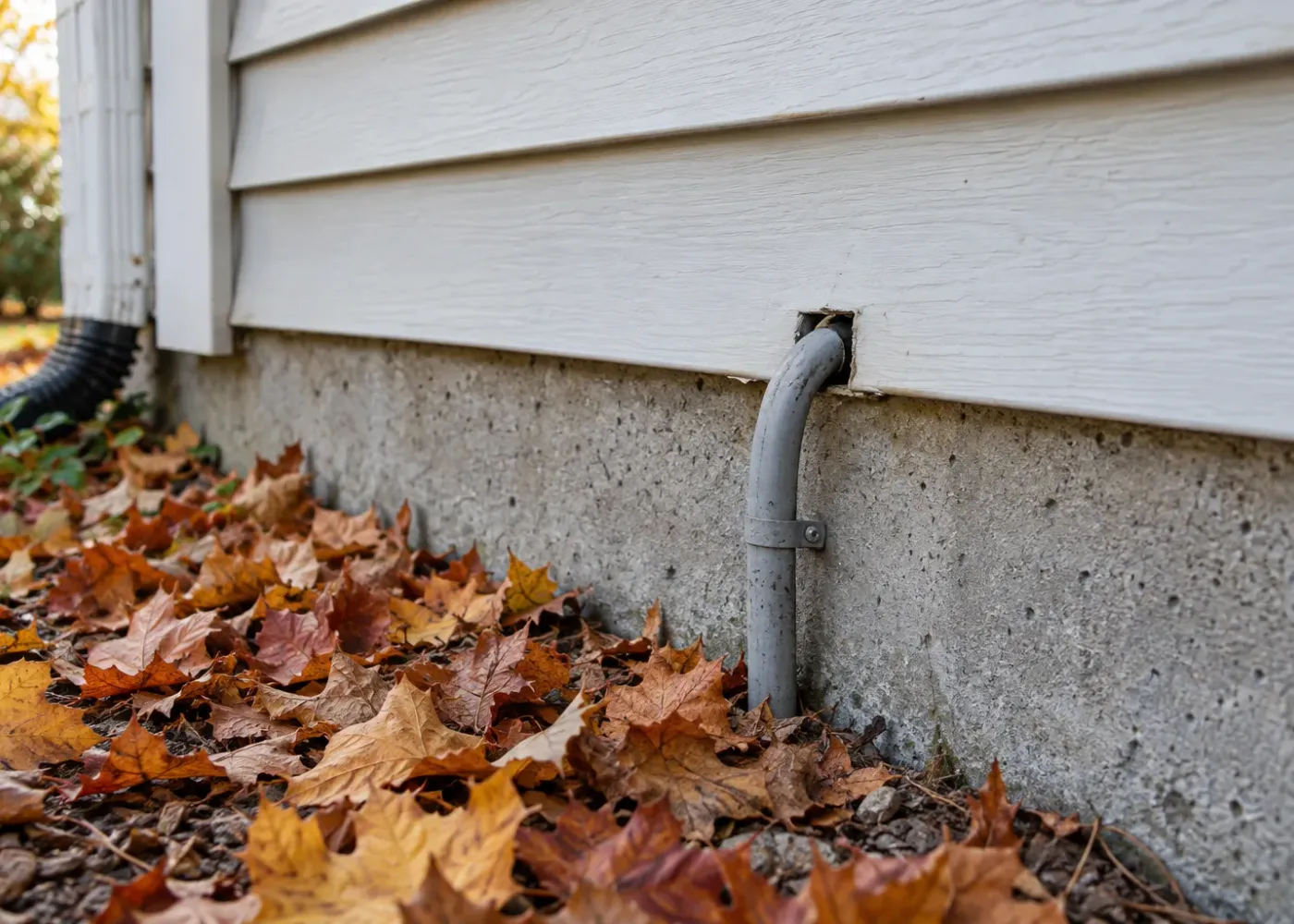
A mouse fits through a gap ¼ inch tall. These are the four places to check first.
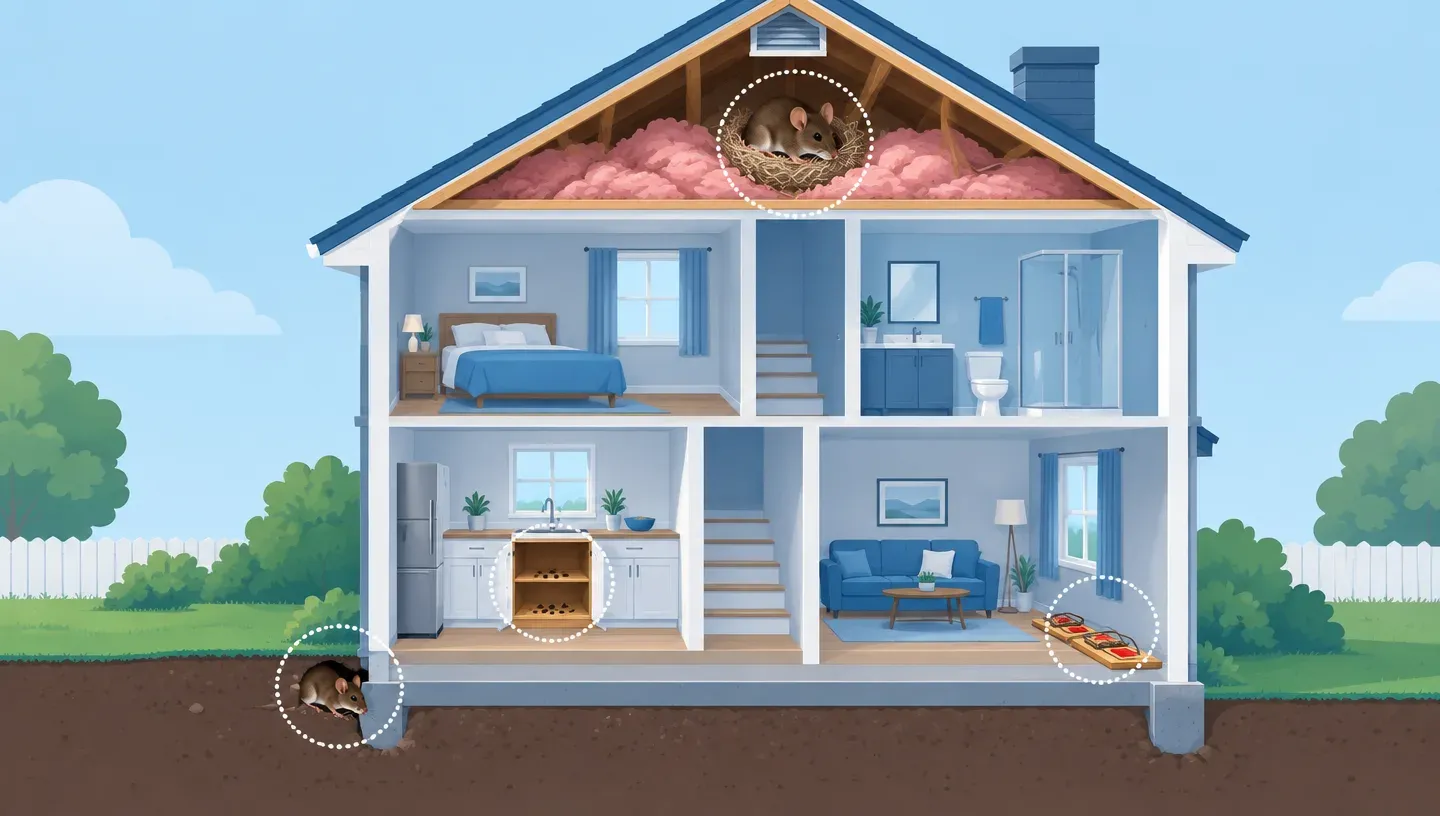
Where soil meets the house. Any gap ¼ inch or bigger is a way in.
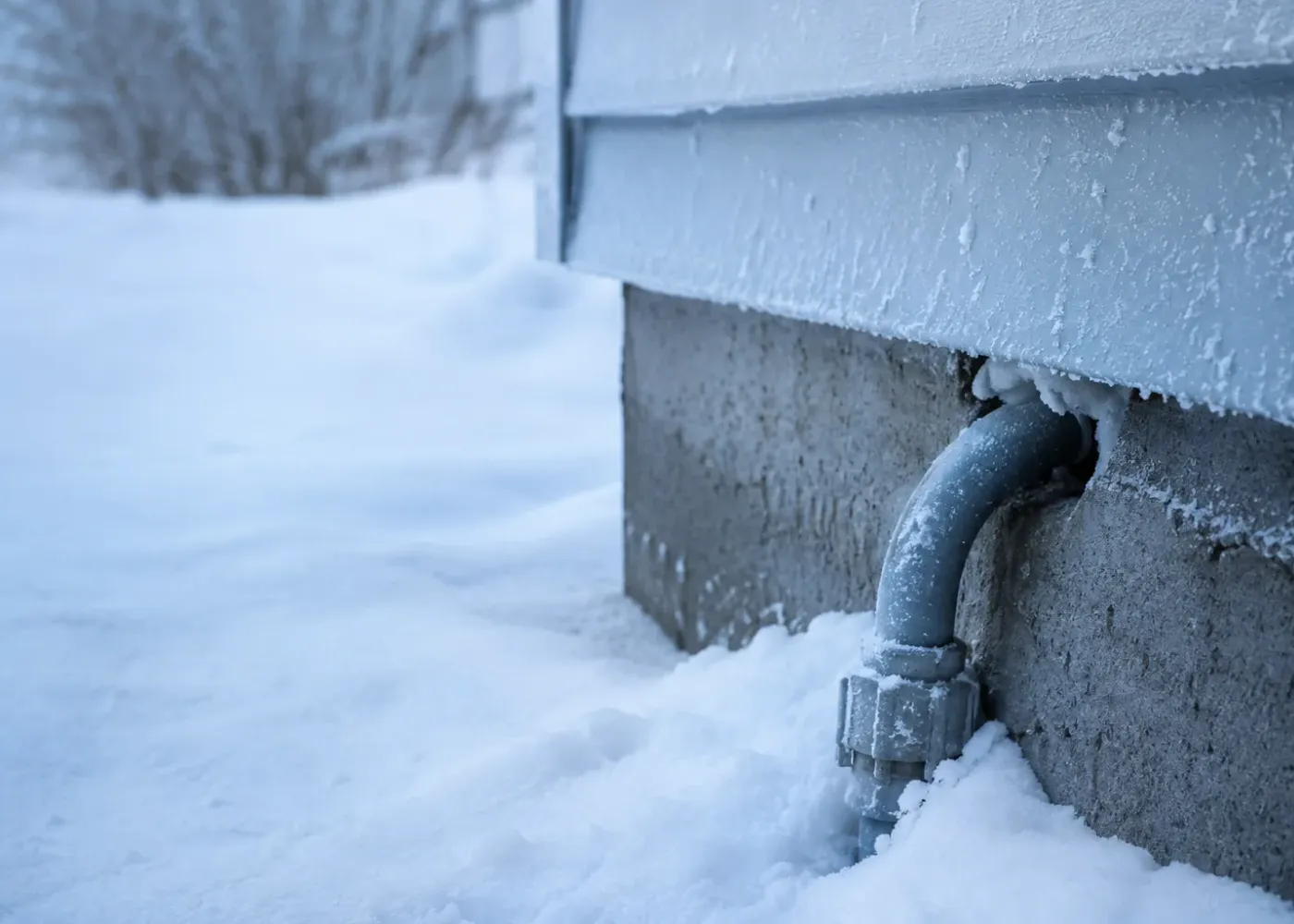
Pipes come through the wall here, and droppings often show up first.
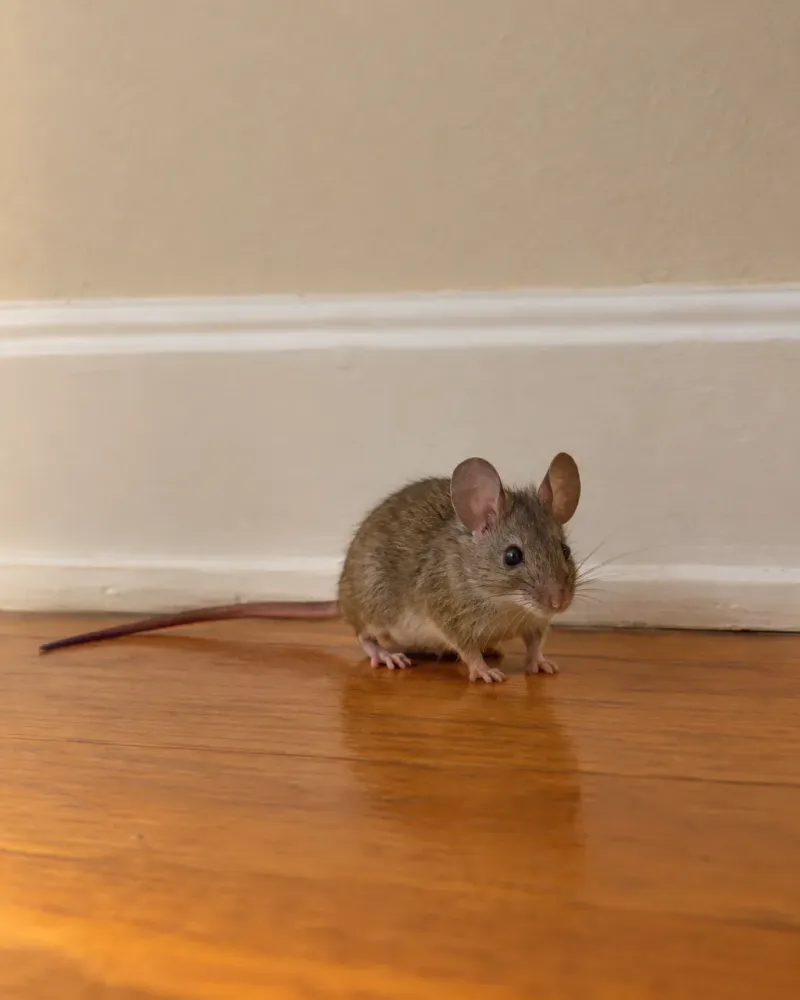
Mice run along walls, not across open floors.
Warm and quiet: a common place for nests. Look for droppings and shredded insulation.
Pest Library
Know what it is?
Jump straight to the guide. These are the 12 pests people ask about most.


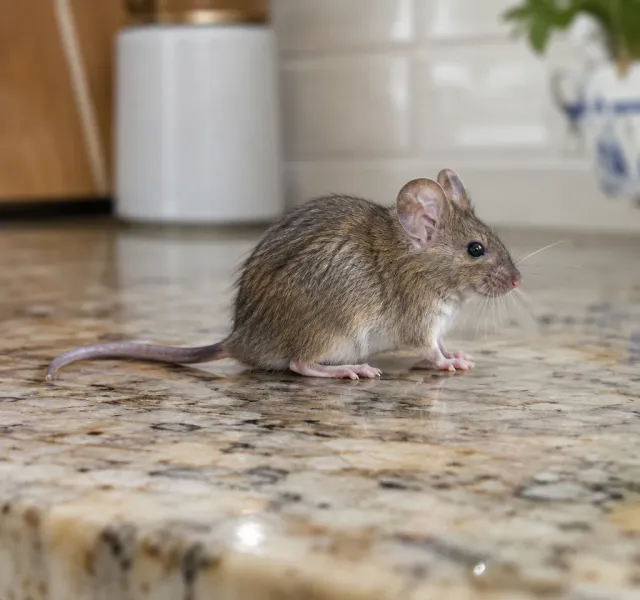 RodentsMiceSmall droppings, gnawed food, scratching at night.44 guides
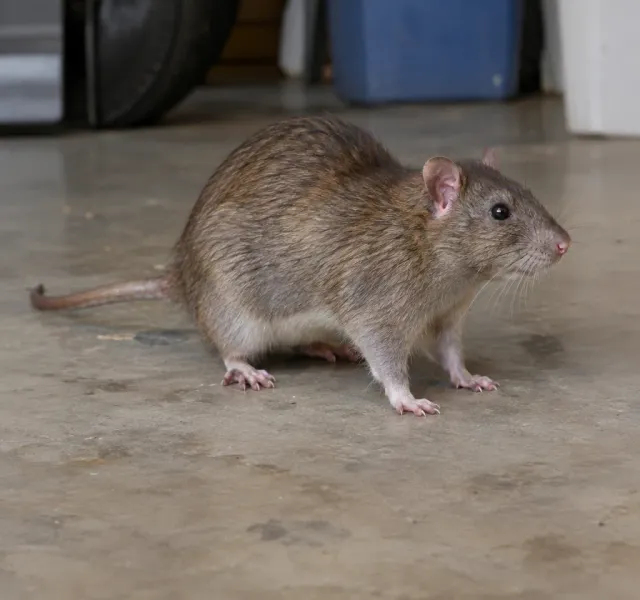 RodentsRatsLarger droppings and runways along walls.34 guides
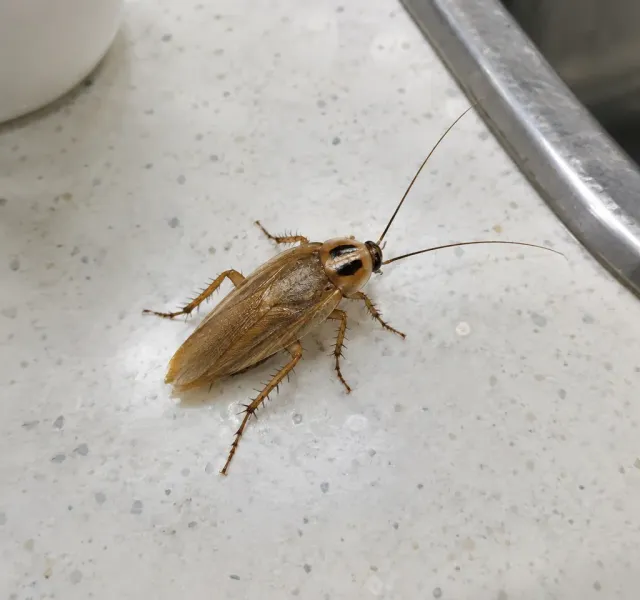 KitchenCockroachesSeen at night near sinks and stoves.19 guides
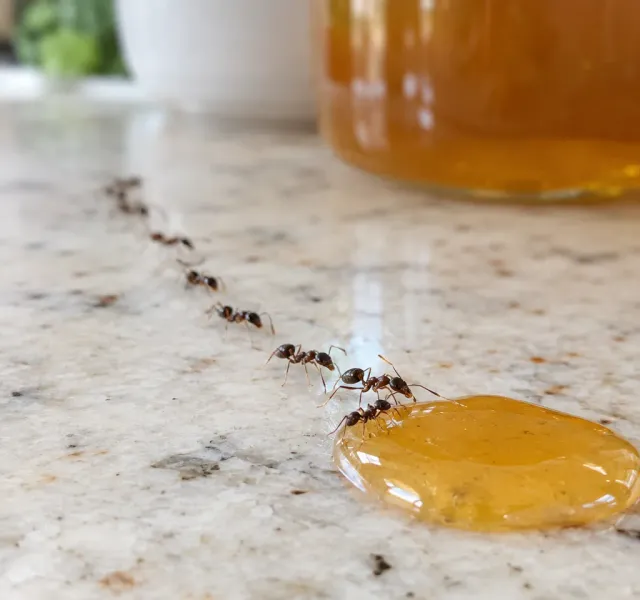 KitchenAntsTrails along counters toward food.Identify it in the Library
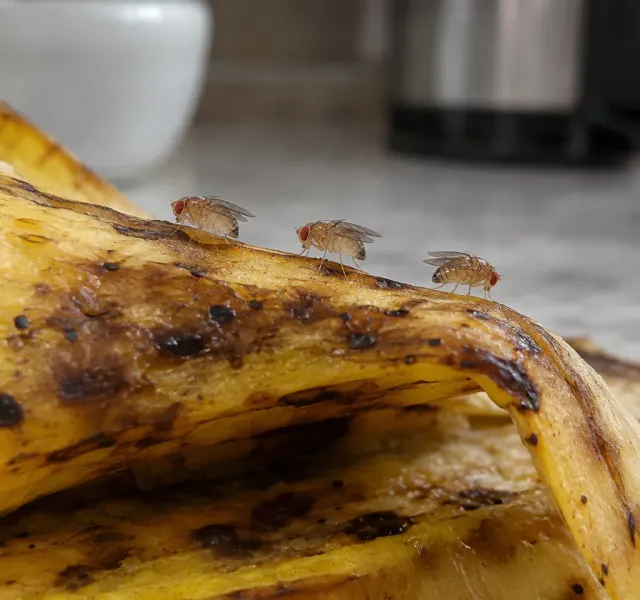 KitchenFruit flies & gnatsSmall flies around fruit, drains, plants.6 guides
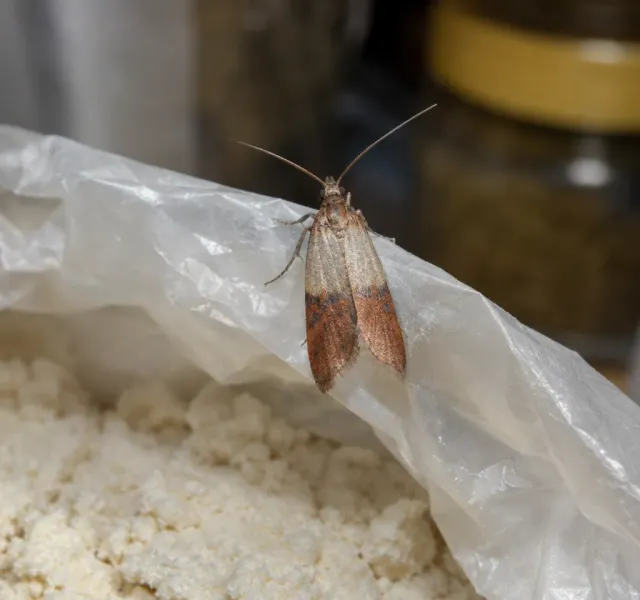 KitchenPantry mothsMoths or webbing in flour and grains.2 guides
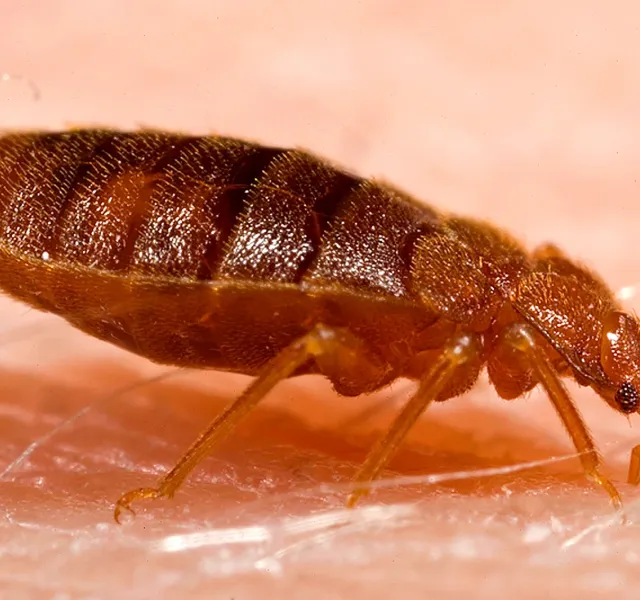 Bedroom & closetsBed bugsItchy bites after sleeping, dark spots on sheets.Identify it in the Library
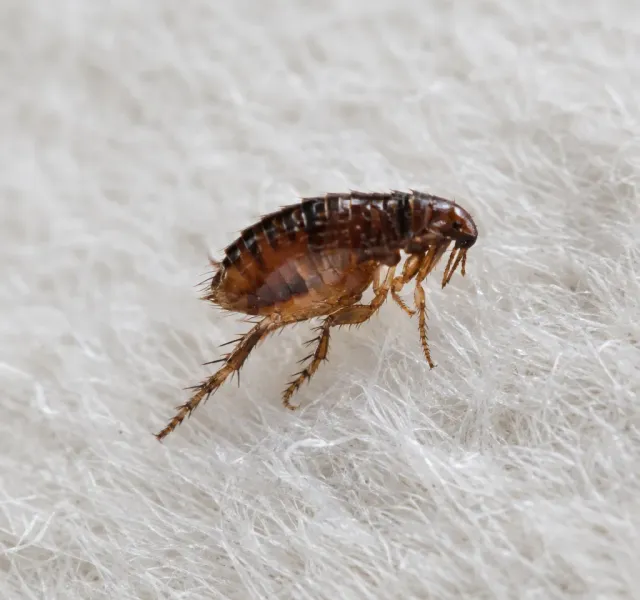 Bedroom & closetsFleasBites around ankles, often with pets.Identify it in the Library
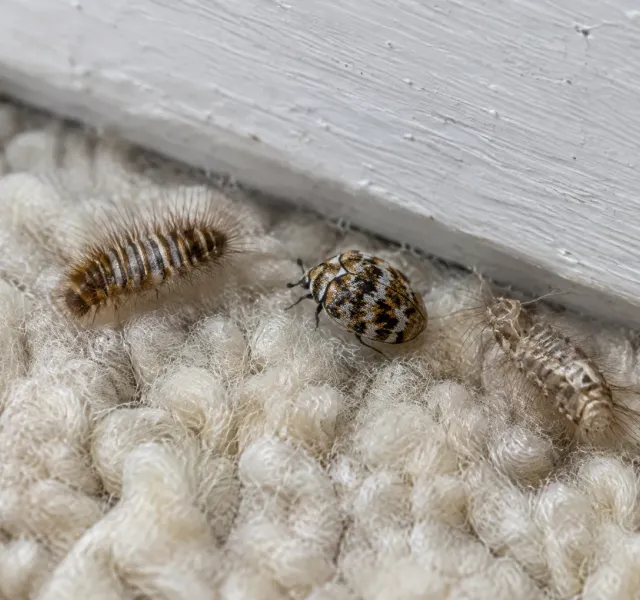 Bedroom & closetsCarpet beetlesHoles in wool or carpet, fuzzy larvae.6 guides
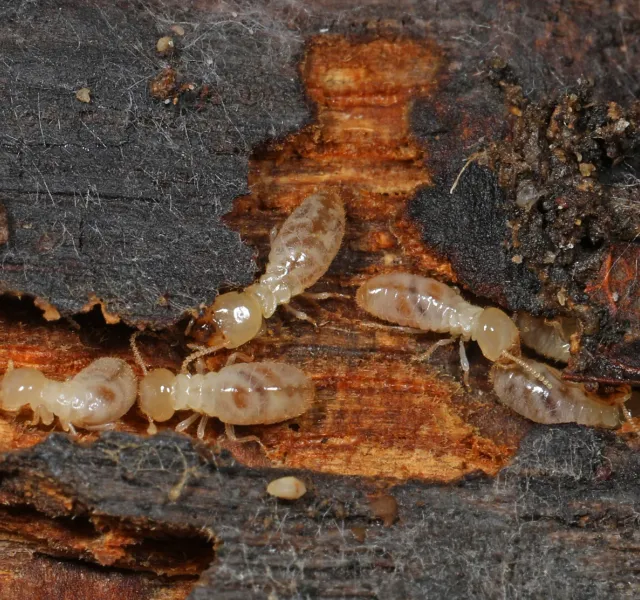 OutdoorsTermitesMud tubes and hollow-sounding wood.Identify it in the Library
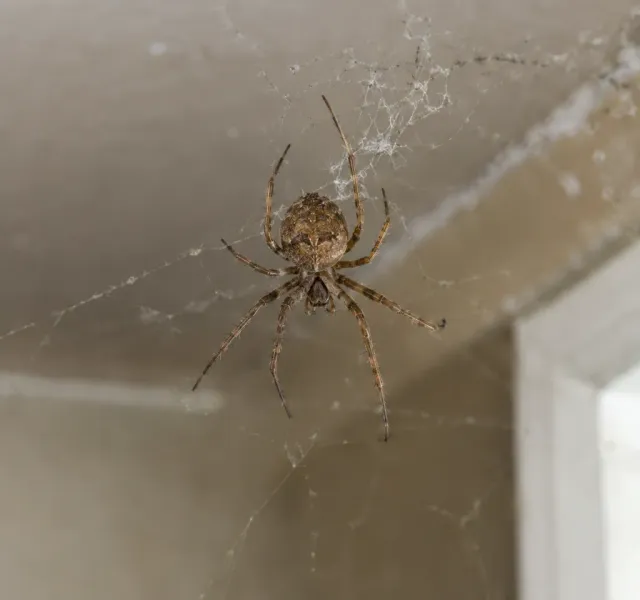 OutdoorsSpidersWebs in corners, basements, garages.Identify it in the Library
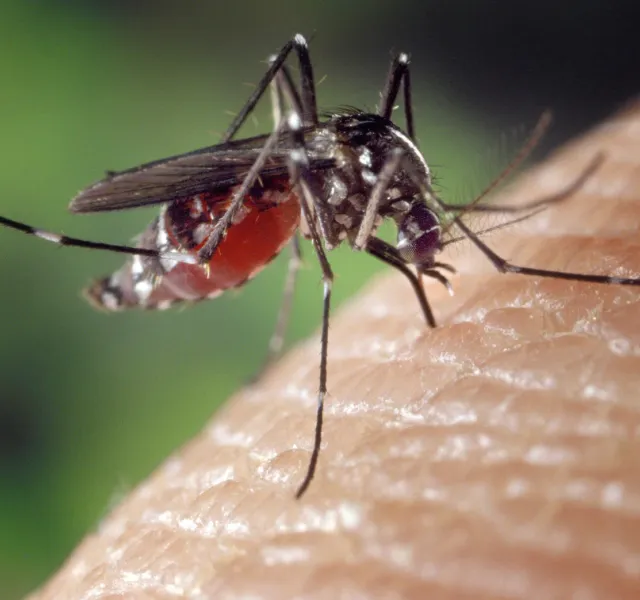 OutdoorsMosquitoesBites at dusk, standing water nearby.Identify it in the Library
Pests follow the calendar.
Now: Fall · October
 AntsTrails head indoors as it warms up.
 TermitesWinged swarmers appear near windows.
 Carpet beetlesAdults show up on windowsills.
- 1Follow ant trails back to the entry point
- 2Sweep up winged insects and save one to identify
- 3Wipe crumbs off counters every night
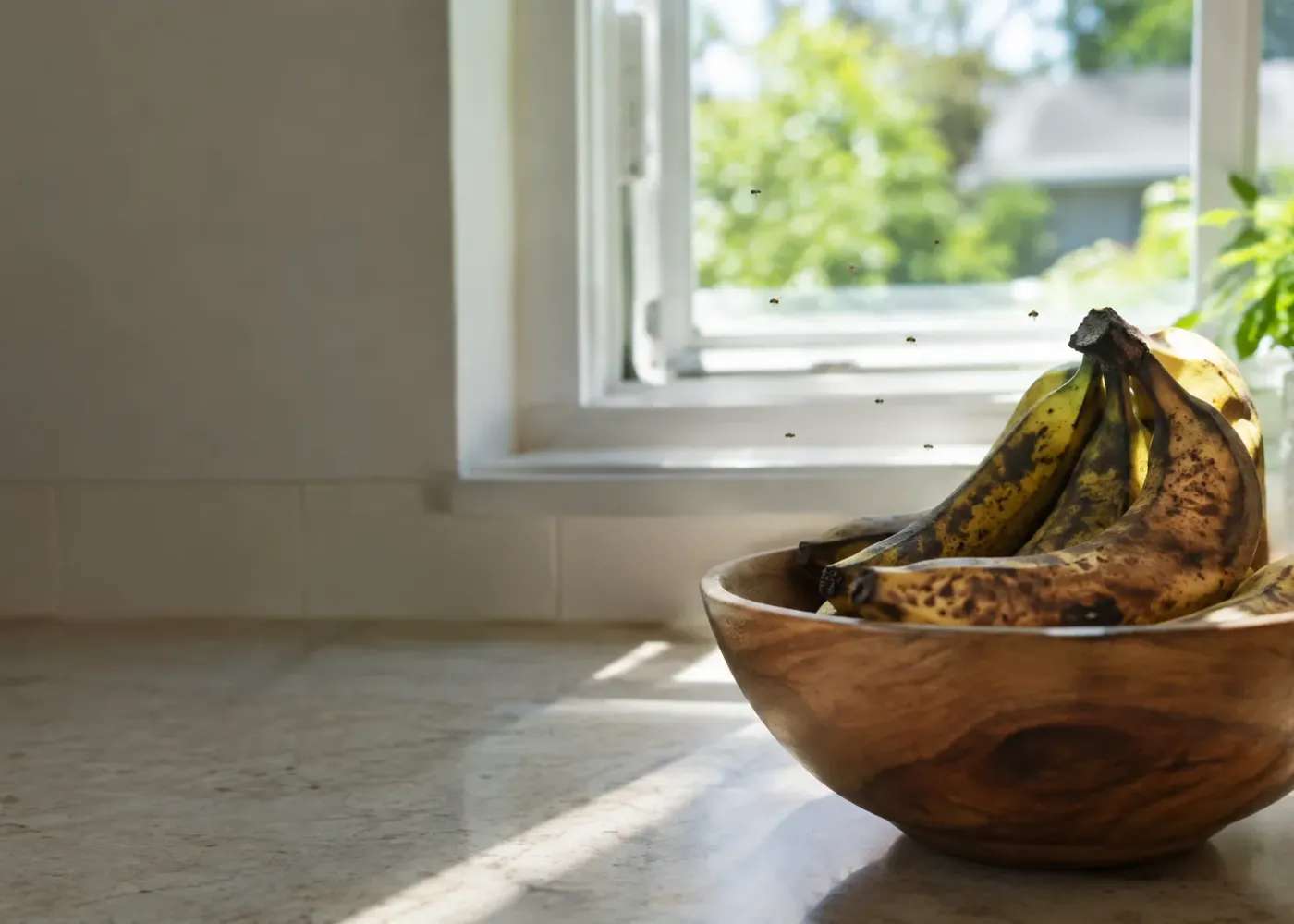
 MosquitoesBreed in any standing water.
 Fruit flies & gnatsMultiply fast around fruit and drains.
 CockroachesMost active in warm, humid months.
- 1Empty standing water once a week
- 2Keep ripe fruit in the fridge
- 3Clean slow drains
 MiceMove indoors as nights get cold.
 RatsLook for warm shelter and food.
 SpidersMore visible indoors in fall.
- 1Where pipes, vents and cables come in
- 2Gaps under doors (mice fit through ¼ inch)
- 3Cracks in the foundation: use metal or concrete, not foam
- MiceStay indoors until spring.
- CockroachesShelter near heat and water.
 Pantry mothsHatch in stored flour and grains.
- 1Check traps every day
- 2Store flour and grains in sealed jars
- 3Fix leaks under sinks
Most-read guides
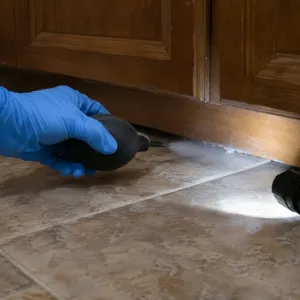
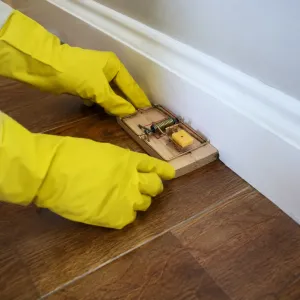

FAQ
Common questions
Straight answers, each with the guide to read next.
How do I know if it’s mice or rats?
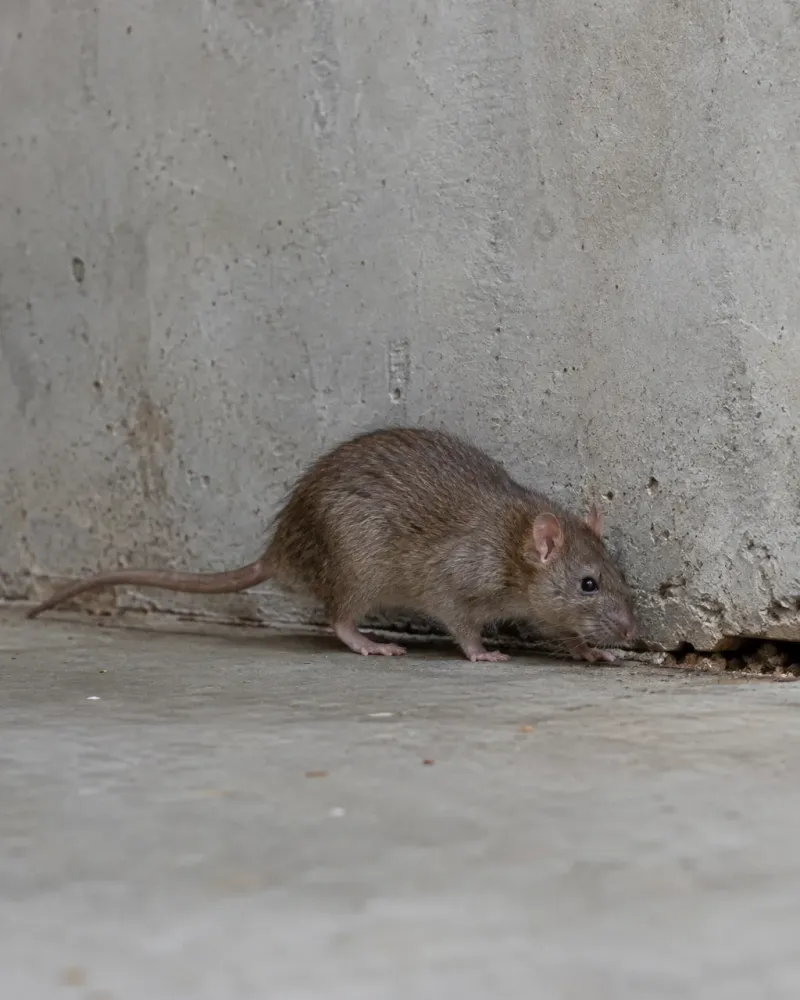
Start with the droppings. Mouse droppings are about ¼ inch long; rat droppings are about ½ to ¾ inch. Where you find them helps too: mice and roof rats show up high, in attics and on top of cabinets, while Norway rats stay low, in basements and garages.
Rat poop vs. mouse poopWhat’s the fastest way to get rid of mice?
Set several snap traps along the walls where you find fresh droppings, seal gaps wider than about ¼ inch, and put food away. Check the traps daily and keep going until a week passes with no catches and no new signs.
How to get rid of miceDo ultrasonic repellents or peppermint oil work?
Not for long, so they’re not worth the money on their own. University extension services report that rodents get used to repeated sounds quickly, and no repellent has been shown to clear an infestation. Sealing gaps and trapping are what work.
Do ultrasonic repellents work?Why isn’t my trap catching anything?
The usual causes are the wrong spot, the wrong size, too much bait, or a rat that’s wary of new objects. Move traps onto the route along the wall, use a pea-sized amount of bait, and for rats, leave traps baited but unset for a few nights first.
Why rats avoid trapsIs rat poison safe to use around pets?
It carries real risks. Pets can be poisoned by eating the bait or a poisoned rodent, and a poisoned rodent can die inside a wall. Snap traps are the safer first choice at home.
Rat poison dangersHow do I tell which bug bit me?
The bump alone rarely tells you: even doctors find bites hard to diagnose, as the University of Kentucky points out. Look at the pattern, where on your body the bites are, and where you were the day before, then confirm by finding the pest.
Bug bite picturesWhat are the tiny flies in my kitchen?
Usually fruit flies around ripe fruit, fungus gnats from wet potting soil, or drain flies from slimy drains. Remove what they breed in first, then trap the adults that are left with a vinegar trap or yellow sticky cards.
How to get rid of gnatsWhy are there small moths in my pantry?
They’re pantry moths, and the real problem is the caterpillars in your food. Find every infested package and throw it out in a sealed bag, freeze anything you suspect, clean the shelves, and keep dry food in containers with tight lids.
How to get rid of pantry mothsWhen should I call a professional?
Give trapping a fair run first: the CDC says to keep traps baited for at least 15 days, checking the bait every week. Call a pro if rodents are somewhere you can’t reach or clear, you can’t find how they get in, or fresh signs continue after that.
How to get rid of miceIs doing it yourself really cheaper?
For most rodent problems, yes. Price guides list $189–$655 for rats, but 53 quotes homeowners shared for jobs that include sealing had a $2,000 median, middle half $1,400–$3,000. Snap traps, copper mesh, gloves and bleach come to about $57–$87.
Exterminator vs. DIY cost