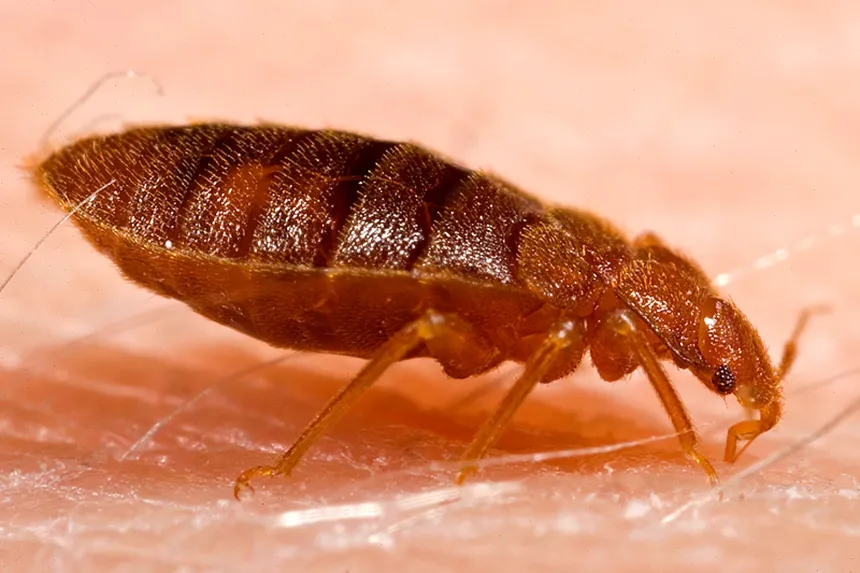
- Scientific name
- Cimex lectularius
- Size
- Adults about 3/16 in, like an apple seed
- Color
- Reddish brown; redder and swollen after feeding; young are pale
- Found in
- Mattress seams, box springs, headboards, couches, luggage
- Harmful?
- Itchy bites; not known to spread disease
- Active
- Year-round, mostly at night
- Pro quotes
- $900–$2,250 (median $1,500, 70 shared quotes)
Bed bugs are flat, apple-seed-sized insects that feed only on blood, usually at night while people sleep. They aren’t known to spread disease, but the itchy bites and lost sleep are real. The one thing to do: confirm them in the mattress seams before you treat anything, because bites alone can’t prove it.
This page covers how to identify bed bugs at each life stage, where to look, what bites look like and what to do next. It rests on EPA and university extension guidance.
How to Identify Bed Bugs: Flat, Oval, Reddish Brown
- Adults: about 3/16 inch, the size and shape of an apple seed, flat and oval when unfed.
- Reddish brown, turning darker red and swollen like a balloon after feeding.
- No wings; they crawl, they don’t fly or jump.
- Nymphs: smaller and pale, nearly see-through until they feed.
- Eggs: about 1 mm, pearly white, in cracks and seams.
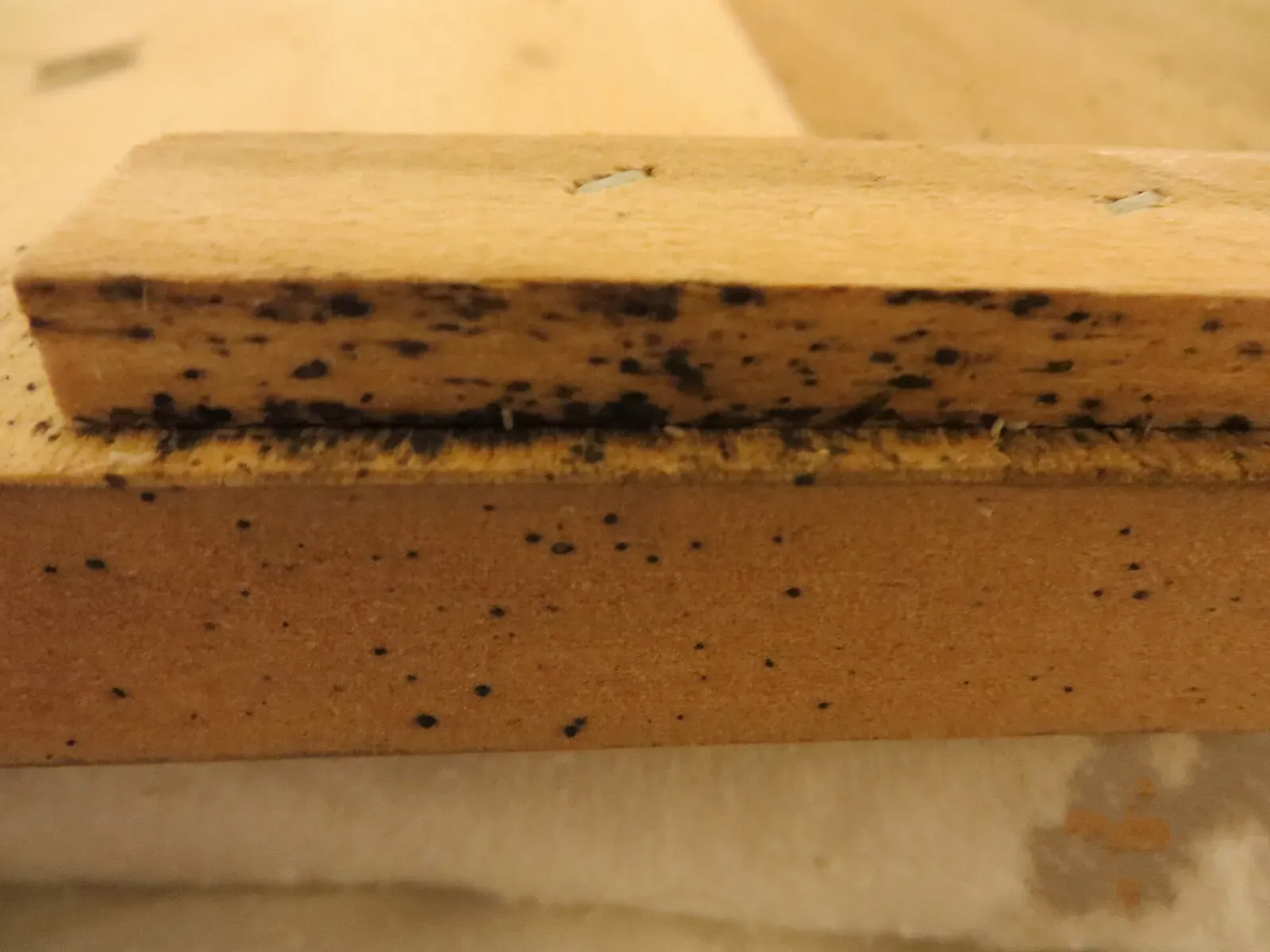
Bed bug droppings on a bed frame: small black spots like dots from a felt-tip marker. Photo: NY State IPM Program at Cornell University (CC BY 2.0), via Wikimedia Commons.
Bed Bug Life Stages: Egg to Adult in About Two Months
| Stage | Size | What it looks like |
|---|---|---|
| Egg | About 1 mm, like a pinhead | Pearly white, glued in seams and cracks, often in clusters |
| Young nymph | About 1/16 in, like a poppy seed | Nearly see-through and pale yellow until it feeds, then bright red |
| Older nymph | Up to about 3/16 in | Tan to light brown; grows through five molts, each after a blood meal |
| Adult | About 3/16 in, like an apple seed | Flat, oval, reddish brown; swollen and darker after feeding |
In a warm home an egg can become a breeding adult in about a month or two. Adults can go several months between meals, which is why an empty apartment can still have bed bugs.
Bed Bugs vs. Look-Alikes: Shape and Movement
| Bug | How it differs | How to tell |
|---|---|---|
| Bed bug | Flat, oval, reddish brown, no wings | Crawls; hides in mattress seams |
| Flea | Smaller, narrow from side to side | Jumps |
| Carpet beetle | Round and hard-shelled, often speckled | Can fly; hairy larvae, not blood feeders |
| Bat bug | Almost identical | Needs a close look by an expert |
Where Bed Bugs Hide: Within a Few Feet of the Bed
- Seams, tags and piping of mattresses and box springs
- Cracks in bed frames and headboards
- Couches and chairs where people nap
- Behind outlet covers, loose wallpaper and picture frames near beds
- Luggage and bags after travel
They’re common anywhere people sleep and travel: apartments, hotels, dorms, shelters, and homes that take in used furniture. They aren’t a sign of a dirty home; they spread on luggage, bags and furniture regardless of how clean a place is.
Signs of Bed Bugs: Ink-Like Spots, Not Just Bites
- Small dark spots (droppings) on sheets and mattress seams, which smear like ink
- Rusty or reddish stains on sheets
- Shed skins and eggs in seams and cracks
- Live bugs in the folds of the mattress
Are Bed Bugs Harmful? Itchy, Not Known to Spread Disease
They’re not known to spread disease (EPA). Bites are usually small, red, itchy welts on skin exposed during sleep: face, neck, arms, hands and shoulders. They often appear in a line or a small cluster, and a reaction can take a day or more to show up.
Some people don’t react at all, so one person in a bed can be bitten while the other sees nothing. Flea bites, mosquito bites, rashes and allergic reactions look similar; bug bite pictures compare them.
How to Confirm You Have Bed Bugs
- Check the mattress and box spring seams, tags and piping with a flashlight and the edge of a credit card.
- Pull the bed from the wall and look at the headboard, bed frame joints and the backs of nightstands.
- Put interceptor cups under the bed legs; bed bugs climbing up or down get caught in them.
- Check luggage seams after travel, and unpack straight into the washer.
- Get a suspect bug identified: seal it in a bag or on clear tape for a county extension office or a pest professional.
What to Do: Confirm, Then Heat and a Professional
Confirm what you have before treating. Wash and dry bedding and clothes on high heat, vacuum seams and cracks, and encase mattresses and box springs. Most infestations need a professional, who can combine heat, targeted products and follow-up visits. Foggers don’t reach where bed bugs hide; why bug bombs fall short explains the same problem with roaches.
Often confused with
Sources
- Bed Bugs (University of Kentucky Entomology, EF636)
- Bed Bugs (UC IPM)
- Bed Bugs: Appearance and Life Cycle (EPA)
- How to Find Bed Bugs (EPA)
Last reviewed Oct 5, 2026.