- Scientific name
- Parasteatoda tepidariorum
- Also called
- American house spider, house spider
- Size
- Body about 3/16–1/4 in
- Color
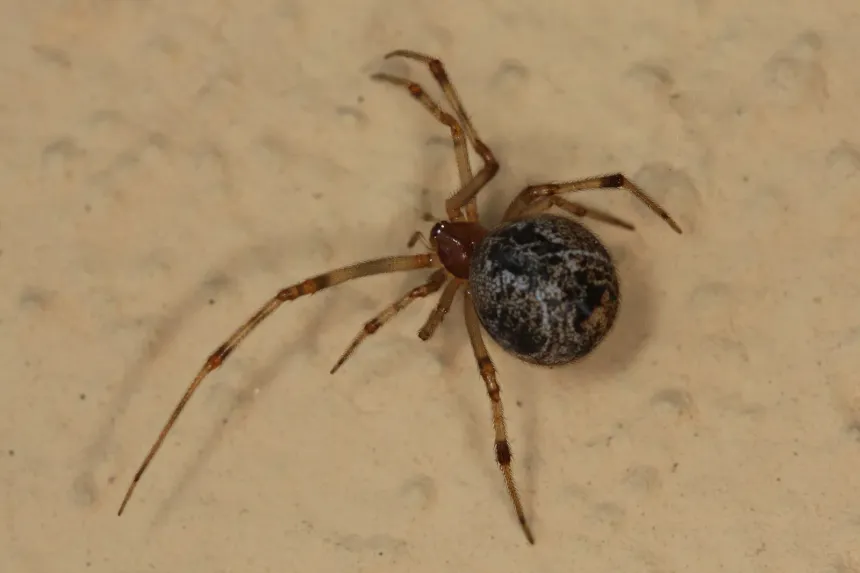
- Mottled brown, gray and tan; round abdomen
- Found in
- Room corners, windows, basements, garages, under furniture
- Harmful?
- No
- Active
- Year-round indoors
The common house spider makes most of the dusty cobwebs in corners, window frames and basements. It’s a relative of the black widow with the same kind of tangled web, but it’s harmless: its fangs are usually too short to pierce skin. The one thing to do: vacuum webs and the small brown egg sacs.
This page covers how to identify a common house spider, tell it from a black widow and keep cobwebs down. It rests on University of Kentucky and UC IPM guidance.
How to Identify a Common House Spider: Small, Round, Mottled
- Small: body about 3/16 to 1/4 inch.
- Round, high abdomen with a mottled pattern of brown, gray and tan.
- Banded legs, often lighter with darker rings.
- Tangled cobweb with no clear shape, often with a small brown, papery egg sac hanging in it.
Like other cobweb spiders, it tends to hang upside down in its web (University of Kentucky).
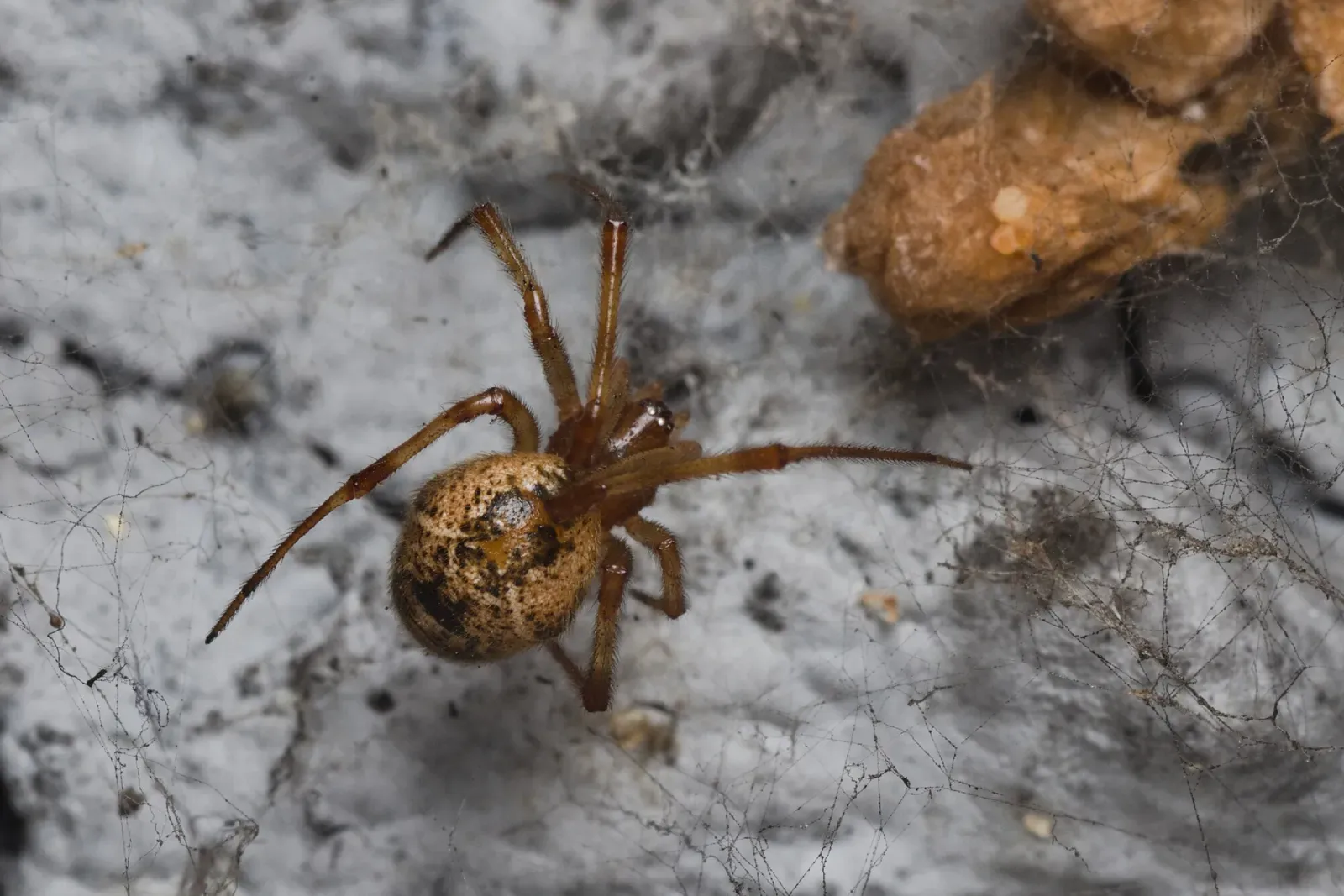
A house spider with its egg sacs on a wall, in the corner where the tangled web sits. Photo: Adrian Tync (CC BY-SA 4.0), via Wikimedia Commons.
Common House Spider vs. Look-Alikes: Color and Web
| Spider | How it differs | How to tell |
|---|---|---|
| Common house spider | Dull, mottled brown and gray | Cobweb in room corners and windows |
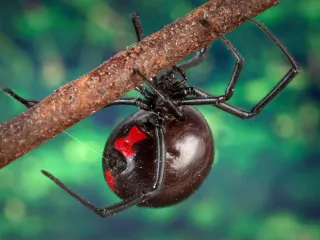
| Black widow | Glossy black female | Red hourglass underneath |
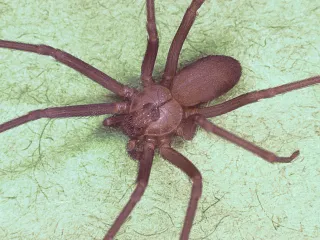
| Brown recluse | Plain tan to brown | Violin mark; six eyes; hides in clutter |
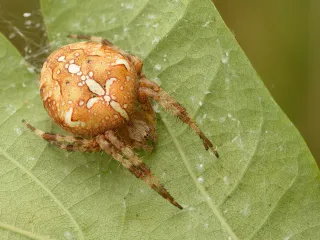
| Orb weaver | Bigger, outdoors | Neat round web with spokes |
Where You’ll Find Them: Corners and Windows
- Upper corners of rooms and closets
- Around windows and light fixtures where insects gather
- Basements, garages, sheds and under furniture
Are Common House Spiders Harmful? No
UC IPM says they’re only marginally able to bite people because their fangs are too short to pierce skin in most cases; the main problem is messy cobwebs. They catch flies, mosquitoes and other insects. The University of Kentucky lists them among the harmless cobweb spiders, unlike their relative the black widow.
How to Confirm It’s a Common House Spider
- Look at the web: tangled, in an upper corner or a window.
- Check the color: dull, mottled brown and gray, not glossy black.
- Look for the egg sac: small, brown and papery, hanging in the web.
What to Do: Vacuum Webs and Egg Sacs
Vacuum webs and egg sacs; destroying the sacs matters because each can hold hundreds of young spiders (University of Kentucky). Reduce clutter, fit tight window screens and door sweeps, and use yellow or sodium-vapor bulbs at outside doors so fewer insects gather to feed them. Fewer insects indoors means fewer spiders; mud daubers hunt them outdoors too. For other pests, browse all pest guides.
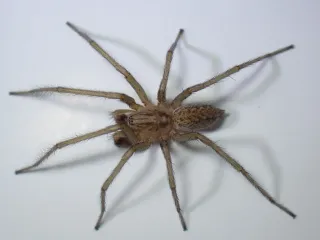
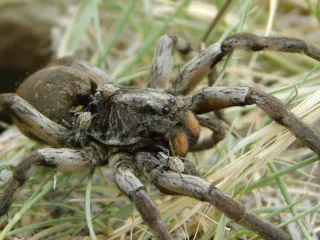
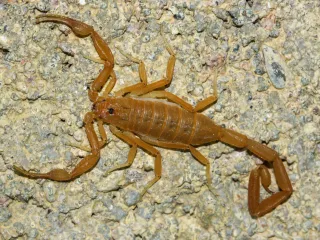
Often confused with
Sources
- Common Spiders Found Around Homes and Buildings (University of Kentucky Entomology, EF622)
- Eliminating Spiders Around Homes and Buildings (University of Kentucky Entomology, EF623)
Last reviewed Oct 4, 2026.