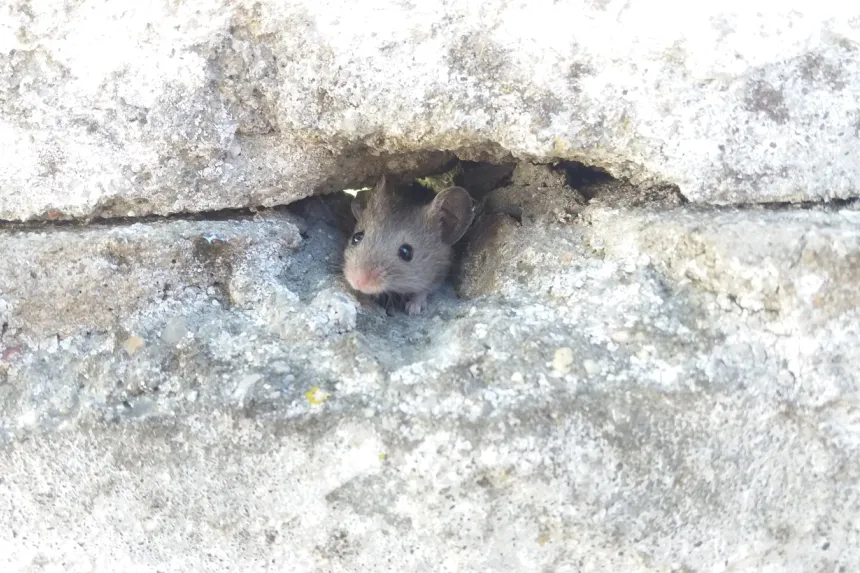
- Size
- Faint scratching to heavy thumps
- Looks like
- Scratching, scurrying, gnawing, squeaking, thumping
- Where you find it
- Walls, ceilings, attics, around chimneys and vents
- Harmful?
- Animals in walls chew wiring and leave droppings
- When
- Depends on the animal; night noises usually mean rodents
What to do
The time of day is the best clue to what’s in your walls. Scratching and scurrying at night is almost always mice or rats; early-morning and late-afternoon noise in the attic points to squirrels, and heavy night-time thumps to raccoons. The one thing to do: note when you hear it for a few nights before you buy anything.
This page matches sounds to their likely source and says how to confirm it. It’s a sorting guide built on Cornell IPM and UC IPM guidance; droppings and entry holes settle what the sound only suggests.
What’s in My Walls? Match the Sound and the Time
| Main clue (sound) | When | Where | Likely |
|---|---|---|---|
| Light scratching, quick scurrying | Night, especially after lights go out | Inside walls, under floors, above ceilings | Mice |
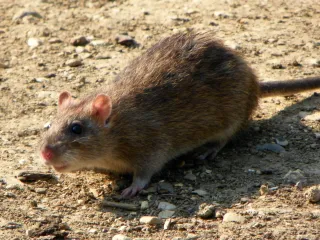
| Louder gnawing, heavier running | Night | Attic and upper walls; lower walls and basements | Roof rats, Norway rats |
| Running, rolling, scratching | Early morning and late afternoon | Attic, eaves | Tree squirrels |
| Heavy thumps, growling, chittering | Night | Attic, chimney, under the house | Raccoons |
| Rustling and high squeaks | Dusk and dawn | Attic, near gaps at the roofline | Bats |
| Chirping, fluttering | Daytime, spring | Dryer and bathroom vents, eaves | Nesting birds |
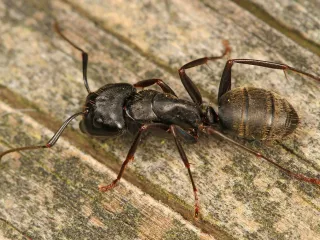
| Faint rustling, like crinkling paper | Any time | Wall voids near damp wood | Carpenter ants |
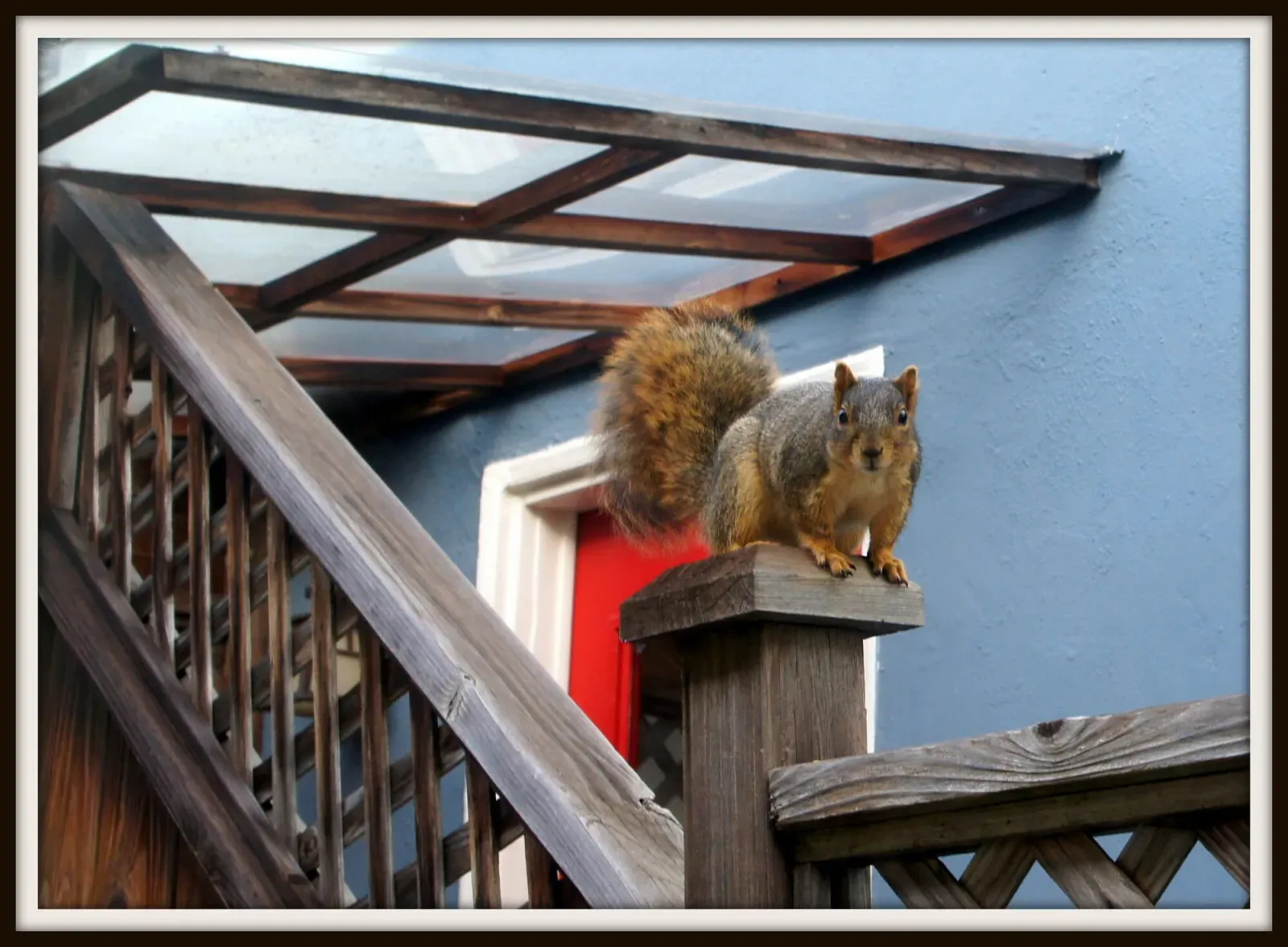
A fox squirrel gathering nest material for the attic. Daytime noise overhead usually means squirrels. Photo: Laura Morland (CC BY-SA 4.0), via Wikimedia Commons.
Mice vs. Rats in the Walls: Faint Scurry or Loud Gnawing
Mice are lighter and make faint scratching and fast scurrying sounds; rats are heavier and their gnawing is louder. Both are most active at night, according to Cornell IPM. Roof rats travel high, in attics and the tops of walls, while Norway rats stay low (UC IPM).
Main clue: faint scurrying at night means mice; louder gnawing and heavier running mean rats, high in the walls for roof rats and low for Norway rats.
Squirrels and Raccoons: Daytime or Heavy Night Noises
Tree squirrels are active during the day and get into attics through gaps or broken vent screens (UC IPM). Raccoons are active mainly at night and can rip off shingles, fascia boards or roof vents to get into an attic (UC IPM). Both are bigger and louder than rodents.
Main clue: running and rolling in the early morning and late afternoon means squirrels; heavy thumps and growling at night mean raccoons.
Bats: Rustling at Dusk, Don’t Touch
Bats roost in attics and wall gaps and leave at dusk to feed. Listen for rustling and squeaks at sunset, and look for droppings piled below gaps. UC IPM warns never to handle bats, because of rabies.
Main clue: rustling and high squeaks at dusk and dawn, with droppings piled below a gap.
Birds and Carpenter Ants: Daytime Chirps or Faint Rustling
Nesting birds move into dryer and bathroom vents and eaves in spring and are noisy during the day. Carpenter ants in a wall void near damp wood make a faint rustling, like crinkling paper, at any hour.
Main clue: chirping and fluttering at a vent in daytime means birds; faint paper-like rustling near damp wood means carpenter ants.
How to Confirm What’s in the Walls
- Log the time of the noises for a few days.
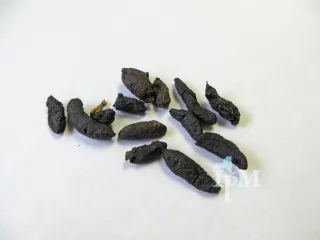
- Look for droppings in the attic, behind appliances and in cabinets, and compare them with the droppings guide.
- Check the outside for gaps, chewed vents, torn screens and grease marks along the roofline and foundation.
- Watch the roofline at dusk for bats or squirrels coming and going.
What to Do Next: Trap Rodents, Call Wildlife Help for the Rest
If it’s mice or rats, follow the guide to get rid of mice in walls or the plan for rats in the house. Squirrels, raccoons and bats are wildlife, not trap-and-bait pests; see their notes above before you seal any gap they may be using.
What could have caused it
Sources
- Mouse and Rat Biology and Behavior (Cornell Integrated Pest Management)
- Rats (UC IPM)
- Tree Squirrels (UC IPM)
- Raccoons (UC IPM)
- Bats (UC IPM)
- Carpenter Ants (University of Kentucky Entomology, EF603)
Last reviewed Oct 4, 2026.