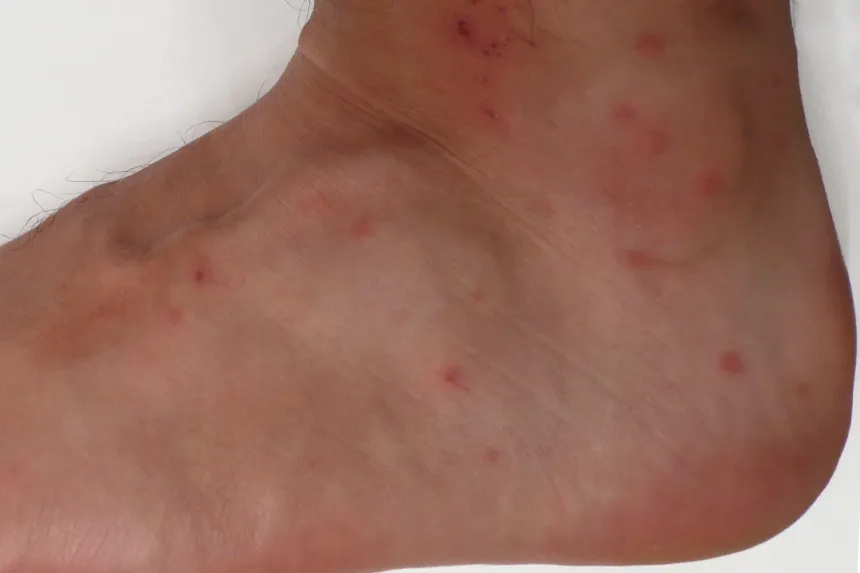
- Size
- Small bumps to welts; most under 1/2 in
- Looks like
- Red, sometimes with a pale or darker center
- Where you find it
- Ankles and legs, waistband, arms, neck and face
- Harmful?
- Usually just itchy; see a doctor for the warning signs below
- When
- Depends on the pest; many peak in summer
Most bug bites can’t be identified from the bump alone; the pattern, where on your body the bites are, and where you were the day before narrow it down fast. Bed bugs and fleas cause most itchy bites at home, mosquitoes and chiggers most outdoors. The one thing to do: find the pest before you treat for it.
This page matches common bites to their likely culprits and says how to confirm each one. Even doctors find bites hard to diagnose, as the University of Kentucky points out, so use it to decide where to look, not as a diagnosis.
Which Bug Bit Me? Start With the Pattern
| Bite | Main clue | Where on the body | Where you were |
|---|---|---|---|
| Bed bugs | Itchy welts in a line or small cluster | Arms, neck, face, shoulders | Asleep, in bed or on a couch |
| Fleas | Small red bumps, often with a red halo, in clusters | Ankles and lower legs | At home with pets, on carpet |
| Mosquitoes | Puffy, round, single welts | Any exposed skin | Outdoors, often at dusk |
| Chiggers | Clusters of small, very itchy red bumps | Ankles, behind knees, waistband, sock line | Tall grass, brush, woods’ edge |
| No-see-ums | Tiny, sharp, itchy red dots | Exposed skin, face, arms | Near marshes, beaches, ponds at dawn or dusk |
| Ticks | A single red bump; the tick may still be attached | Hairline, armpits, behind knees, waist | Woods, trails, tall grass |
| Fire ants | Burning stings that form white pustules in a day | Feet, ankles, legs | Lawns and fields in the South |
| Bird or rodent mites | Itchy bumps, often on the upper body | Arms, chest, neck | Indoors, near a window or vent with a bird nest |
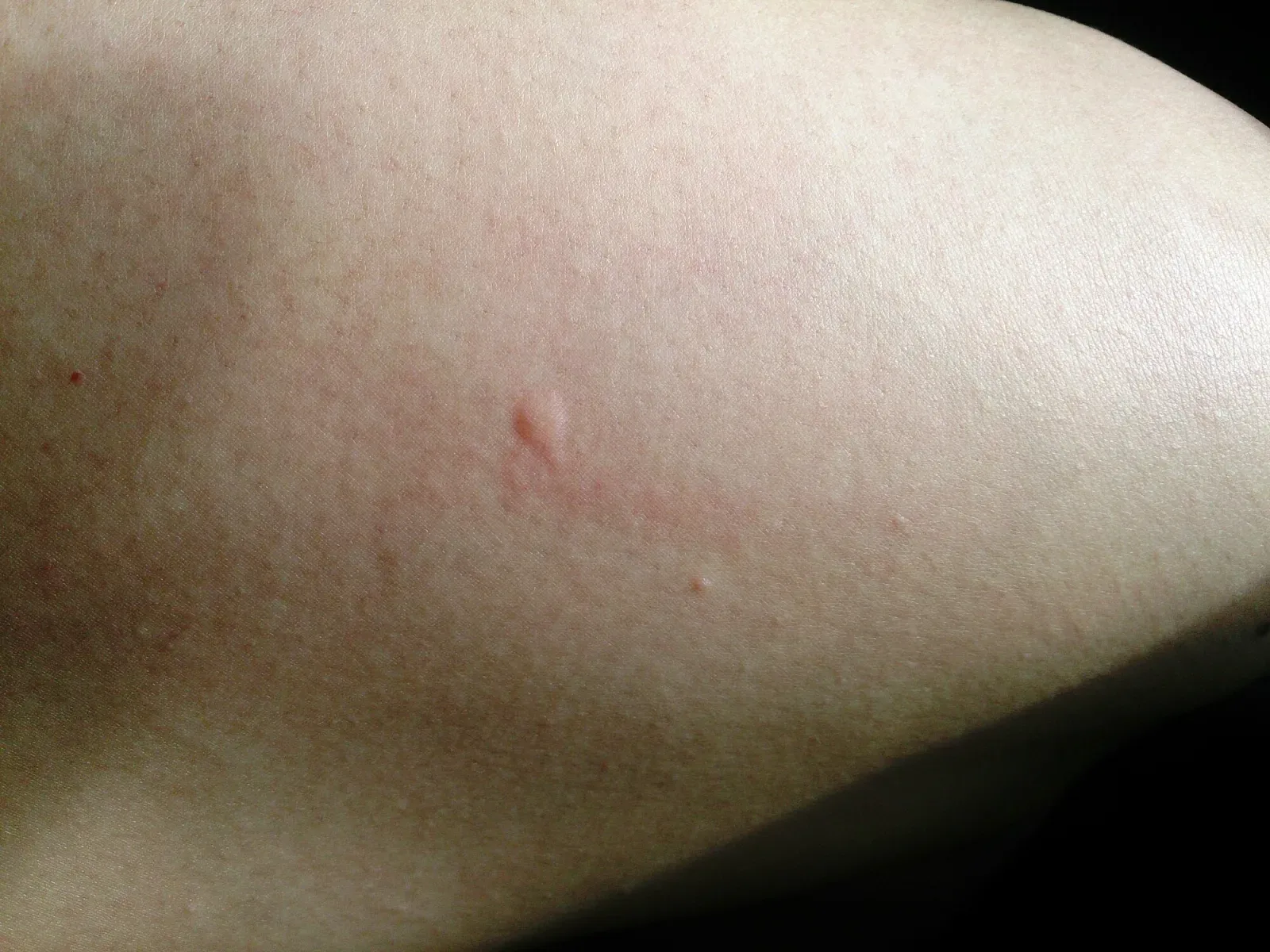
A typical mosquito bite: one puffy, round welt with a little pink around it. Photo: ProjectManhattan (CC BY-SA 3.0), via Wikimedia Commons.
Bed Bug Bites vs. Flea Bites: Bed or Ankles
These are the two most common indoor bites. Bed bug bites turn up on skin that was uncovered while you slept, often in a row, and people who share a bed may react differently. Flea bites cluster around the ankles and lower legs, and there’s usually a pet in the home.
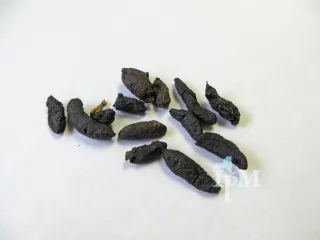
The EPA notes that bites alone can’t confirm bed bugs; look for the bugs, their dark spots and their shed skins in mattress seams.
Main clue: bites in a row on skin uncovered in bed mean bed bugs; clusters on the ankles, with a pet at home, mean fleas.
Chigger Bites vs. Mosquito Bites: Clusters or Single Welts
Chigger bites appear in clusters where clothing presses on skin: sock lines, the waistband, behind the knees. They itch intensely for one to two weeks, according to the University of Kentucky, and they follow time in grass or brush. Mosquito bites are puffier, single welts on any exposed skin, and they fade in a few days.
Main clue: clusters along sock lines and waistbands after time in grass mean chiggers; single puffy welts on exposed skin mean mosquitoes.
Spider Bites: Rarer Than People Think
Spiders rarely bite people, and many sores blamed on spiders are actually skin infections or other conditions. The two medically important US spiders are the brown recluse, whose bite can slowly turn into a sunken sore, and the black widow, whose bite causes spreading pain and muscle cramps. UC IPM advises medical care for a black widow bite.
Main clue: a bite that slowly turns into a sunken sore suggests a brown recluse; spreading pain and muscle cramps suggest a black widow.
Itching With No Visible Bug: Maybe Not a Bug
If you feel bites or crawling but never see a pest, the cause may not be a bug at all. Dry air, static, fibers from insulation or paper, detergents and some medical conditions can all cause itching. The University of Kentucky also notes there is no such thing as a “paper mite” or “computer mite.”
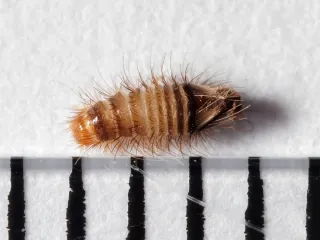
Most mites that bite people indoors are big enough to see, and they usually come from a bird or rodent nest. Carpet beetle larvae don’t bite, but their hairs can cause an itchy rash in some people.
Main clue: itching or crawling feelings with no pest ever found, especially in dry air or near insulation or paper.
How to Confirm What’s Biting
- Check mattress seams, the bed frame and couch cushions with a flashlight for bed bugs, dark spots and shed skins.
- Comb pets with a flea comb over a white towel, or walk on carpet in white socks to see if fleas jump on.
- Set interceptor cups under bed legs and sticky traps along baseboards for a week.
- Keep any bug you catch in a sealed bag or on clear tape and have it identified by a county extension office.
- Note where you were before the bites appeared: bed, couch, yard, trail or beach.
When to See a Doctor
Get medical care right away for:
- trouble breathing, swelling of the face, lips or throat, or dizziness after a bite or sting;
- a black widow bite, or spreading pain and muscle cramps after a spider bite;
- a sore that darkens, blisters or keeps growing over several days.
See a doctor soon for an expanding red rash, fever, headache or body aches in the weeks after a tick bite (CDC), and for any bite that becomes hot, swollen, painful or oozes pus, which can mean infection.
What to Do Next: Go to the Pest’s Page
Once you’ve confirmed the culprit, open its Library page above for what to do. For bites that turn out to be carpet beetles rather than bed bugs, the comparison guide covers the difference.
What could have caused it
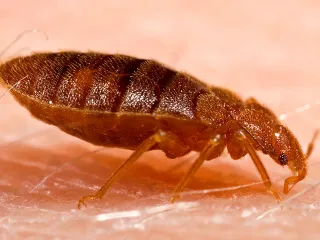 Bed bugCimex lectulariusBites people
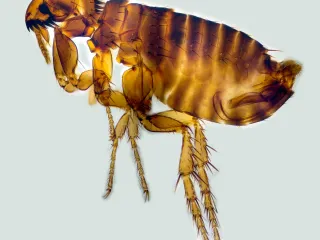 Cat fleaCtenocephalides felisBites people and pets
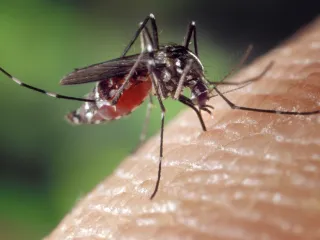 MosquitoCulicidae (family)Spreads disease
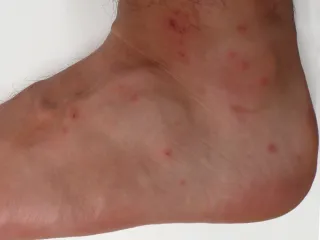 ChiggerTrombiculidae (family)Bites people
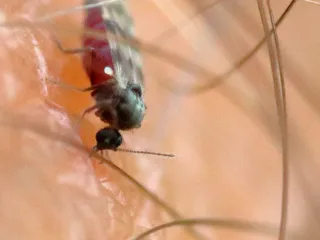 No-see-umCulicoides speciesBites people
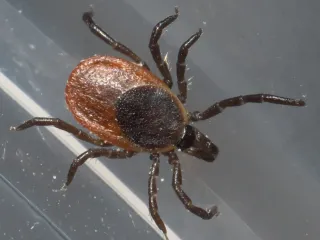 Blacklegged tickIxodes scapularisSpreads disease
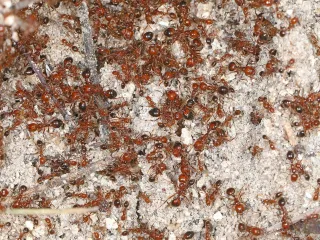 Red imported fire antSolenopsis invictaStings
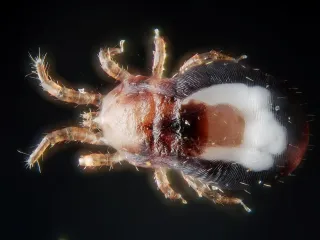 Bird miteOrnithonyssus and Dermanyssus speciesBites people
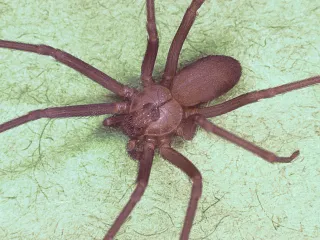 Brown recluse spiderLoxosceles reclusaVenomous
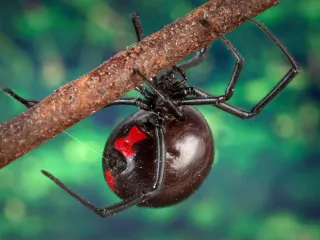 Black widow spiderLatrodectus speciesVenomous
Sources
- MYSTERY BITES: Insect and Non-Insect Causes (University of Kentucky Entomology, EF649)
- Bed Bugs (EPA)
- Fleas (UC IPM)
- Dealing with Chiggers in the Landscape (University of Kentucky Entomology, EF630)
- What to Do After a Tick Bite (CDC)
- Spiders (UC IPM)
- Red Imported Fire Ant (UC IPM)
Last reviewed Oct 4, 2026.