What Attracts Mice? Why They Come Into Your House
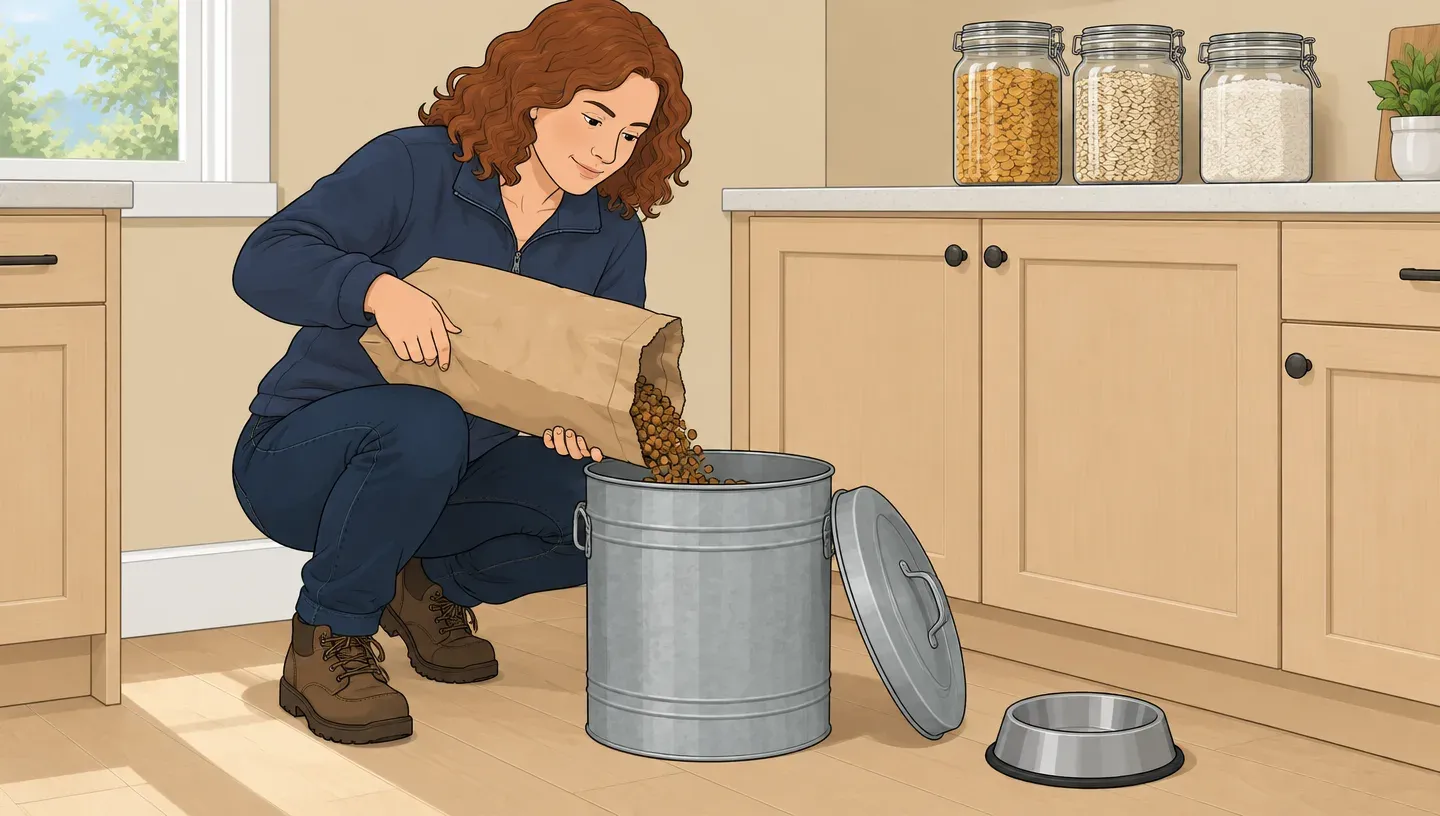
Illustration: pet food moves from a torn paper sack into a metal bin with a tight lid.
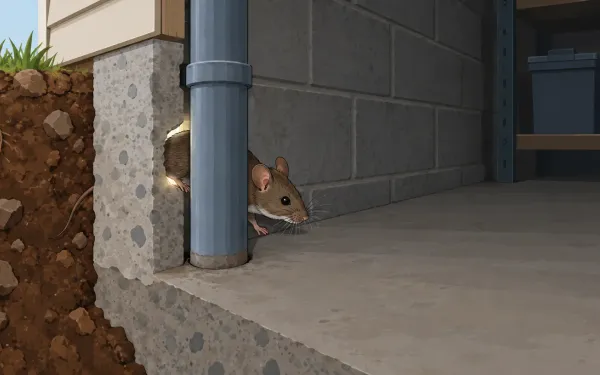
What attracts mice is food, water, warmth and a sheltered place to nest. They squeeze in through gaps as small as ¼ inch. The fix is mostly free: put food, pet food and garbage in containers with tight lids, clear clutter and seal gaps. Bird feeders, compost and woodpiles near the walls draw them too.
Difficulty: easy. Call a pro if mice have gotten into places you can’t reach to clean, or fresh droppings keep turning up after at least 15 days of trapping with food stored and gaps sealed.
This guide covers why mice come in, the foods they want most, a room-by-room checklist, the yard and sealing. We haven’t tested this ourselves; it rests on CDC, UC IPM, Nebraska Extension and ICWDM guidance plus store list prices. If mice already live inside, pair it with our plan for getting rid of mice.
What Attracts Mice at a Glance
| Attractant | Where it shows up | The fix |
|---|---|---|
| Food | Pantry boxes, crumbs behind the stove, pet food, bird seed | Lidded bins; wipe crumbs |
| Water | Dripping pipes, pet bowls | Fix drips; no bowls out overnight |
| Warmth | Water heaters, ovens, refrigerators, escaping heat | Seal gaps; check around appliances |
| Nesting spots | Boxes, paper, clothes piles, drawers | Store things off the floor and away from walls |
| Gaps of ¼ inch | Pipes, vents, doors, the foundation | Copper mesh and caulk |
| Yard food and cover | Bird feeders, compost, woodpiles | Move them away from the house |
Why Do Mice Come Into Your House?
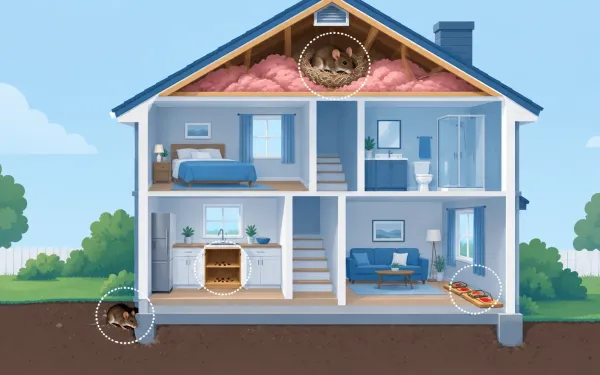
The CDC’s short answer: food, water and convenient places to nest, and a house offers all three. Mice are drawn to buildings where they detect openings and escaping heat, and inside, nests turn up near water heaters, ovens and refrigerators.
House mice living outdoors often move indoors in autumn as nights get colder. Summer brings them too: house mice can breed year-round when food is steady, and though they don’t need to drink, they seek out liquids in hot, dry weather, so a dripping pipe or a pet’s water bowl counts.
Why Do I Have Mice If My House Is Clean?
Cleaning alone won’t do it. UC IPM says good sanitation will seldom completely control house mice, though poor sanitation lets them thrive in greater numbers.
Tidiness still pays: droppings are easier to spot, traps work better with less competing food, and a few mice don’t become many. The other half of the fix is closing the gap they came in through.
What Food Attracts Mice the Most?
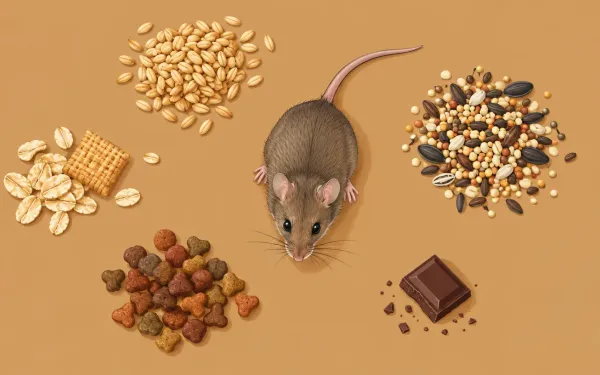
House mice prefer cereal grains but will eat almost anything. Lock up flour, rice, oats and cereal in cardboard boxes first, then nuts, peanut butter and bird seed.
Pet food is next: city and suburban mice often eat cats’ and dogs’ food. Crumbs count too, not just open bags: mice eat about 200 small meals a night (UC IPM).
What Attracts Mice in the House: A Room-by-Room Checklist
Most fixes cost nothing. “Lidded bin” below means thick plastic, metal or glass with a tight lid.
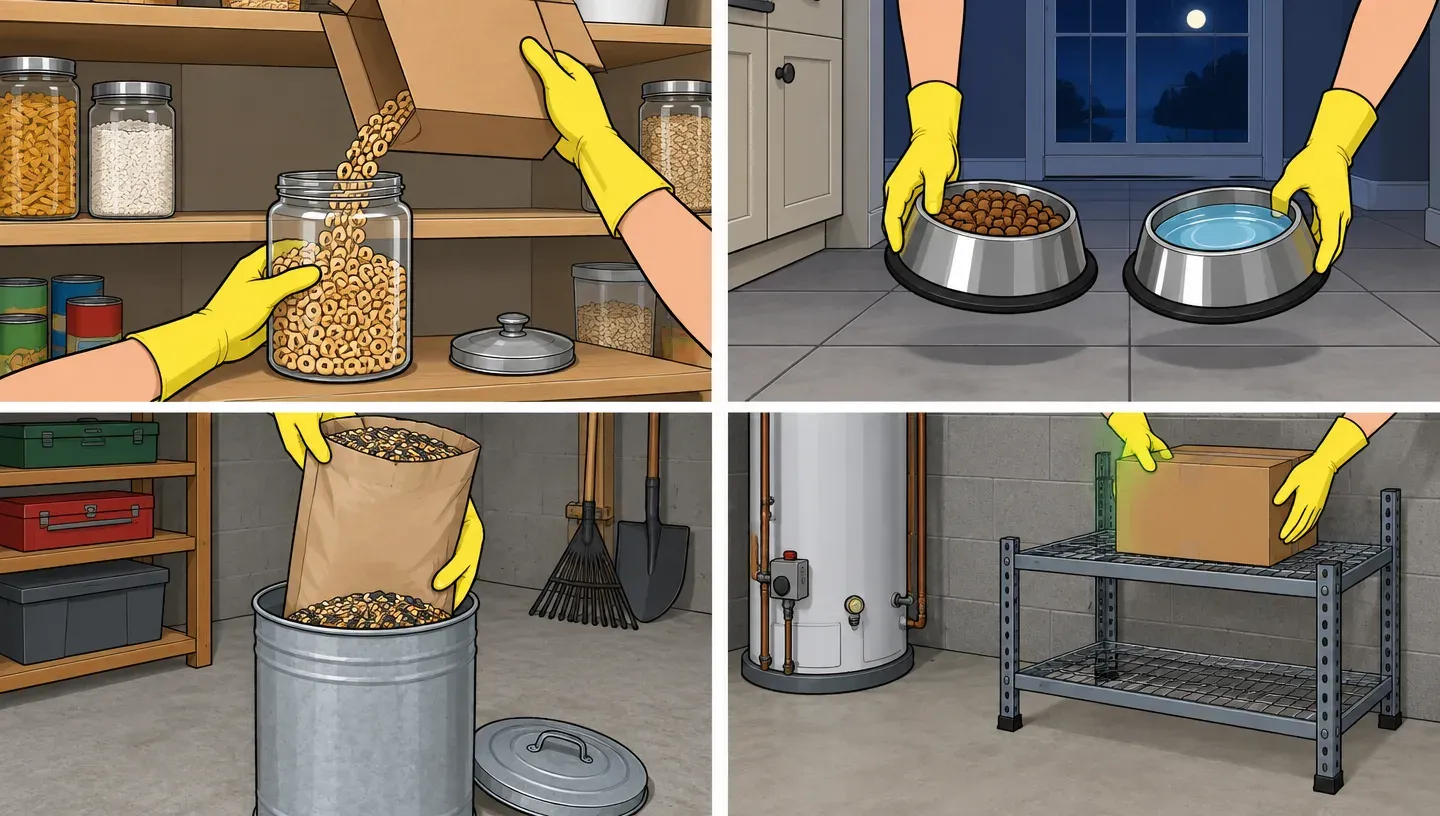
Illustration: pantry food in glass jars, pet bowls up at night, seed in a metal can, and storage boxes lifted off the floor and away from the wall.
Kitchen and pantry. Move dry food and snacks into lidded bins, keep the trash in one, and wipe up crumbs behind the stove and fridge, where food and warmth sit together. Storage won’t clear a mouse already in the kitchen; traps do that.
Pet bowls. Put pet food away after meals and don’t leave food or water bowls out overnight, the CDC says. Feed only what your pet eats at one sitting, and keep the bag in a lidded bin.
Bedroom. Usually snacks and nesting material: nests are made of shredded paper or fiber, often behind boxes and in drawers. Keep food out, move shoe boxes, paper bags and clothes piles off the closet floor, and keep the comforter off the floor, since house mice run up any rough vertical surface (mouse in the bedroom).
Basement, laundry and utility rooms. Keep stored things at least 8 inches off the ground and 1 foot from the walls (Nebraska Extension), so they’re easier to check. Look around the water heater and furnace, and fix dripping pipes.
Garage. Mice in garages eat sacked or spilled pet food, grass seed and insects. Move seed, feed and pet food into lidded bins, and get cardboard boxes up on shelves.
Do Mouse Droppings Attract More Mice?
Not on their own. Mouse urine carries scent signals other mice read (and gives an infestation its musky smell), a 2020 study found, but a few old droppings won’t summon mice from next door. The shelter of the house is the attraction.
Clean them up anyway, by spraying, not sweeping, since diseases spread mainly through breathing contaminated air: disinfectant or 1.5 cups of bleach per gallon of water, 5 minutes’ soak, then paper towels (CDC). Details: how to clean mouse droppings.
With kids or pets, skip poison and glue traps: the CDC warns poison baits can be dangerous for people and animals.
What Attracts Mice to Your Yard? Bird Feeders, Compost, Woodpiles
Yes: rodents go for bird seed. The CDC’s outdoor checklist:
- Keep bird feeders away from the house, with squirrel guards on the pole.
- Keep compost bins and woodpiles up to 100 feet from the house, the CDC’s target, and firewood a foot off the ground.
- Keep outdoor garbage in a lidded can with no holes.
- Clear brush and weeds, and keep grass and shrubs near the house trimmed.
Also pick up fallen fruit, nuts and dog droppings daily; rodents feed on both. Thin out plants growing up the walls too, since house mice are excellent climbers (can mice climb walls).

Illustration: firewood on a raised rack away from the house, and the bird feeder moved to the far edge of the yard.
How to Confirm Where Mice Get In
Use a pencil as a gauge. A mouse fits through a hole the width of a pencil (¼ inch).
Check inside first: pipes under sinks, the backs of cabinets, behind appliances and around dryer vents.
Then walk the outside: doors without weather stripping, where the foundation meets the ground, and around utility lines.
Look for signs at each gap: droppings, fresh gnaw marks or tracks mean mice use it. How mice get in the house has the full list.
What to Do Next
UC IPM calls exclusion, sealing them out, the most successful and permanent form of house mouse control: copper mesh, which doesn’t rust, held in with caulk for small holes, and hardware cloth or metal sheeting for larger ones. Renting? Tell your landlord in writing before you seal anything or change the yard.
- Store food and pet food in lidded bins.
- Pick up pet bowls at night and fix dripping pipes.
- Lift stored boxes 8 inches off the floor and a foot from the walls.
- Seal every ¼-inch gap with copper mesh and caulk.
- Set snap traps if you’ve already seen a mouse, and keep them baited at least 15 days; the best mouse trap bait is a pea-sized dab of peanut butter.
| Item | Typical cost |
|---|---|
| Checklist: storing food, pet bowls, clutter, yard | Free with containers you have |
| Snap traps, 2-pack | $2.29 |
| Bigger problem, whole-house kit: 12–24 snap traps, copper mesh, gloves, bleach | About $57–71 |
| Pro attic insulation cleanup, if upsold | $7,500–$14,000 |
| Pro trap-and-seal job, 53 shared quotes (middle half) | $1,400–$3,000 |
| Pro visit, price-guide range (usually no sealing) | $150–$655 |
DIY: U.S. list prices from Victor, DoMyOwn and Target, September 30, 2026, before tax. Pro: the middle half of 53 trap-and-seal quotes homeowners shared on Reddit (see the quote table). Price-guide range: This Old House for mice (April 2026) and HomeAdvisor for rats (June 2026); it usually covers a trap-and-bait visit, with sealing extra. Attic cleanup: the middle half of 35 shared quotes that included new insulation. Call a pro if the gaps are on the roofline or chimney and you can’t reach them safely from a stable ladder.
Common questions
Food smells: grain, seeds, nuts, pet food and anything sweet or fatty left out, which is why peanut butter is the standard snap-trap bait.
No study we found has tested them. University of Minnesota Extension lists grounds as ordinary compost; the scraps it says attract rodents are meat, bones, grease, whole eggs and dairy.
Not reliably. ICWDM says chemical repellents are seldom practical for clearing out mice, and NPIC says mothballs have little or no effect as repellents and aren’t meant for use against animals. More on mouse repellents and mothballs.
Not well: UC IPM says the sound doesn’t reach behind objects, fades with distance, and mice get used to it.
No extension guide we checked lists light as an attractant. Mice come out even in daylight when food is available (UC IPM).
Not reliably. Nebraska Extension says the food, water and shelter we give pets also help mice, and that pets rarely control them because mice live where predators can’t reach.
The same basics: food, water and shelter. Roof rats also shelter in dense ivy and dead palm fronds, Los Angeles County’s rodent guide notes, so trim those back.
Sources and further reading · 8
- CDC: Seal Up, Trap Up and Clean Up.
- UC IPM: House Mouse.
- Nebraska Extension: Controlling House Mice (G1105).
- ICWDM: House Mice and House Mouse Control.
- NPIC: Can I use mothballs to repel insects or animals?
- Los Angeles County Public Health: Are You Attracting Rats and Mice to Your Yard?
- University of Minnesota Extension: Composting in Home Gardens.
- Varner et al., Scientific Reports (2020): Brown rats and house mice eavesdrop on each other’s volatile sex pheromone components.