- Scientific name
- Mus musculus
- Size
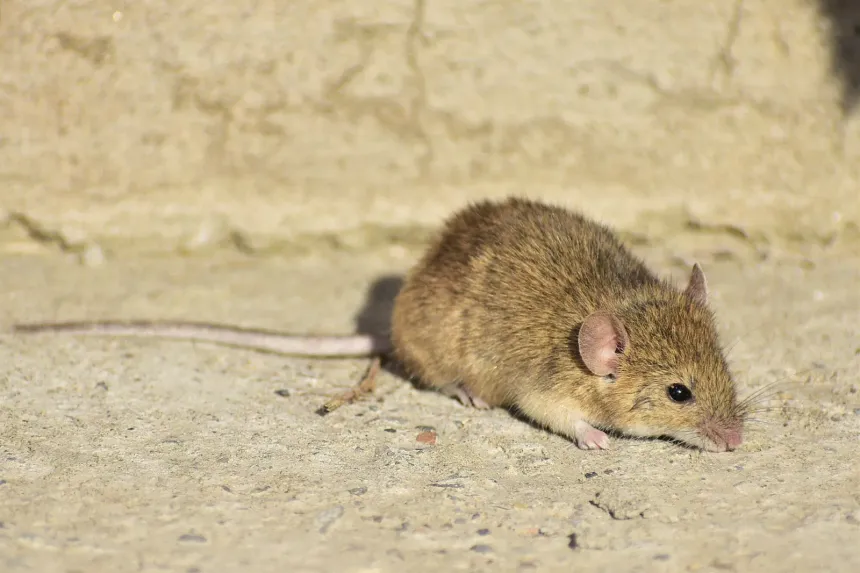
- Body 2 1/2–3 3/4 in, plus a tail about as long
- Color
- Gray-brown back, slightly lighter belly
- Found in
- Kitchens, wall voids, cabinets, attics, garages
- Harmful?
- Yes. Contaminates food, chews wiring, spreads disease
- Active
- Year-round, mostly at night
- DIY cost
- $57–71 in suppliesSee the plan
- Pro quotes
- $1,400–$3,000 to trap and seal (53 shared quotes)See quotes
What to do
- How to Get Rid of Mice in Your House: A DIY Plan
- How to Get Rid of Mice in Walls Without Opening the Wall
- Mice or Rats in the Attic? How to Get Rid of Them Yourself
- What Do Mice Eat? And How Long Can They Go Without Food?
- Are Mice Nocturnal? When Mice and Rats Are Most Active
- Can Mice Climb Walls? How High Mice and Rats Can Jump
- Mouse Poop vs. Rat Poop: How to Tell Droppings Apart
- All mice guides
The house mouse is the small gray-brown mouse that actually lives with people, nesting in walls, cabinets and stored boxes and breeding all year once it’s indoors. It’s a real pest: it contaminates food, gnaws wiring and can carry salmonella and lymphocytic choriomeningitis (LCM). The one thing to do: seal every gap wider than 1/4 inch and set snap traps along the walls where you find droppings.
This page covers how to identify a house mouse, tell it from a deer mouse or a young rat, and where it hides. It rests on UC IPM, University of Kentucky and CDC guidance.
How to Identify a House Mouse: Gray-Brown, Bare Tail
- Gray-brown all over, with a belly only a little lighter than the back.
- Large ears, small black eyes and a pointed snout; an adult weighs about 1/2 ounce (UC IPM).
- Tail: thin, almost hairless, one color, about as long as the body.
- Droppings: about 1/8 to 1/4 inch, some to 1/2 inch, dark and pointed at the ends, scattered rather than piled.
- Smell: a musky odor, strongest in large or long-standing infestations (UC IPM).
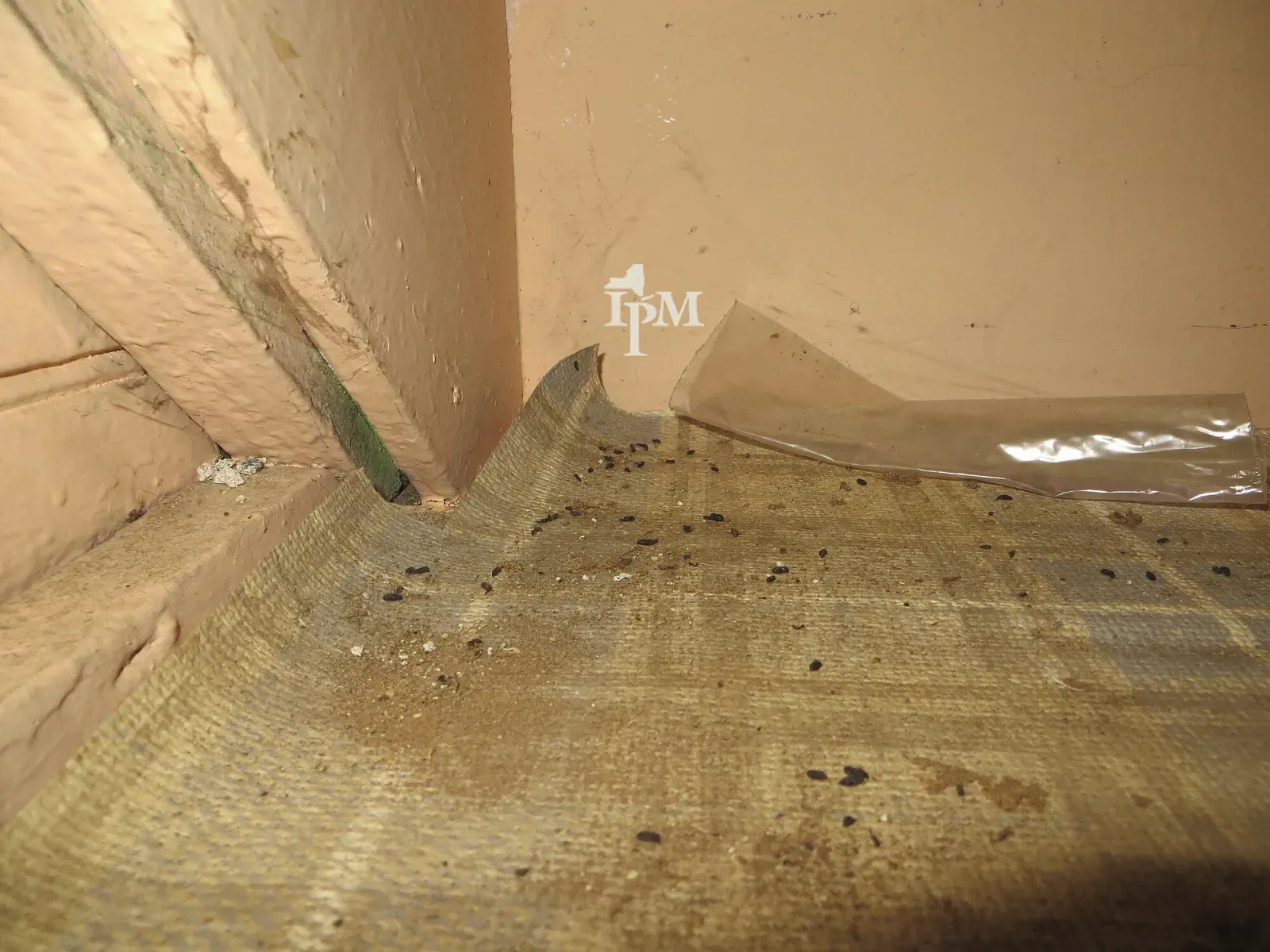
House mouse droppings: small, dark and scattered along edges and corners. Photo: Matt Frye, NYS IPM Program (CC BY 2.0), via Wikimedia Commons.
House Mouse vs. Look-Alikes: Coat and Tail
| Animal | How it differs | How to tell |
|---|---|---|
| House mouse | Gray-brown all over, small eyes | Thin, nearly hairless tail |
| Deer mouse | Bright white belly and feet, big eyes | Tail dark on top, white below, furred |
| Young Norway rat | Big head and feet for its body | Thicker tail; droppings 1/2 inch or longer |
| Roof rat | Slender, but far bigger as an adult | Tail longer than head and body; droppings 1/2 inch |
Voles have short tails and shrews have pointed snouts and tiny eyes, which rules both out quickly (UC IPM). Droppings are often the first clue, so compare sizes in mouse poop vs. rat poop, or start with the mouse vs. rat guide.
Where House Mice Live: Close to Food
House mice seldom go more than 30 feet from their nest, and when food is close their range may be only a few feet (UC IPM, University of Kentucky). So activity clusters behind the stove, refrigerator and dishwasher, in lower cabinets where pipes enter the wall, in wall voids and attic insulation, and in garages, drawers and stored boxes. Nests are made of finely shredded paper or other soft material.
They get in through gaps about 1/4 inch tall and 3/8 inch wide, and climb any rough vertical surface. Outdoor mice move in during autumn as nights turn cold, which is why most people notice them in winter. More on entry points in how do mice get in the house.
Are House Mice Harmful? Yes
They foul food, counters and stored items with droppings and urine, and gnaw wiring, which can start fires and kill appliances (University of Kentucky). UC IPM says about 5% of U.S. house mice carry LCM virus, and mouse urine is a major allergen linked to asthma in sensitive children. They aren’t the main hantavirus mouse; that’s the deer mouse.
They breed fast: a female can have 5 to 10 litters a year of about 5 or 6 pups each, and the young mature in 5 to 6 weeks (UC IPM).
How to Confirm It’s House Mice
- Measure the droppings: about 1/4 inch and pointed means mice; 1/2 inch or longer suggests a rat.
- Listen at night for scratching or squeaking in walls and ceilings; see what mice sound like.
- Check the tail on a trapped mouse: one color and nearly bare.
- Look for nests of shredded paper in drawers, behind boxes and under sinks.
What to Do: Seal, Then Trap Hard
Seal gaps wider than 1/4 inch with steel wool, wire screen or metal, not foam, plastic or rubber, which mice chew through. Set plenty of snap traps along walls where droppings are, trigger end against the wall, no more than about 10 feet apart. Ultrasonic devices don’t drive mice out (UC IPM). The full plan, with supplies, is in how to get rid of mice. For other pests, browse all pest guides.
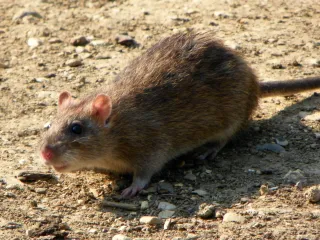
Often confused with


Sources
Last reviewed Oct 5, 2026.