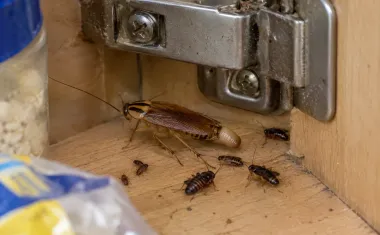
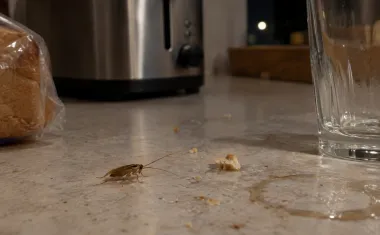
A German cockroach lives about 3 to 9 months as an adult; an American cockroach can live over a year. How fast each breeds, how long they last without food, water or a head, and why bait beats spray.
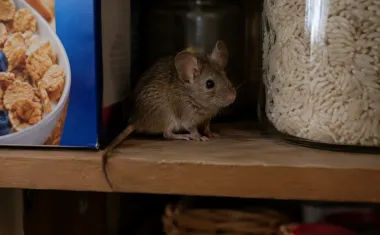
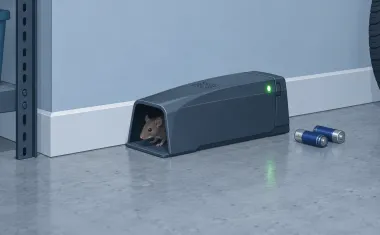
A house mouse usually lives 9 to 12 months, though some reach 3 years. Females have 5 to 10 litters a year, so a mouse problem grows faster than it dies out.
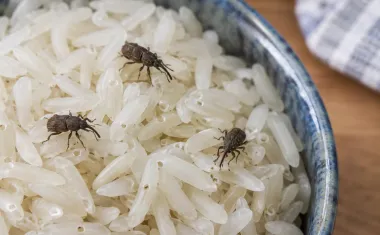
To get rid of weevils, throw out infested rice, beans and grain, freeze anything you want to keep at 0°F for 4 days, vacuum and wash the shelves, and store dry food in sealed jars. Don’t spray food areas.
Cockroaches eat almost any organic matter: crumbs, grease, sweets, pet food, paper, glue, hair, even their own droppings. Water matters more than food. Here is what to clear away first.
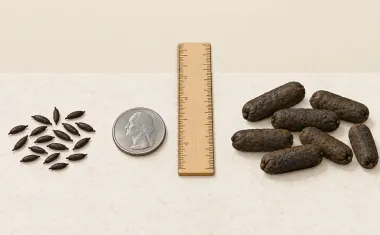
Rat droppings are about ½ to ¾ inch long; mouse droppings average ¼ inch. How to tell them apart by size, shape and location, how to tell fresh from old, and what to do next.
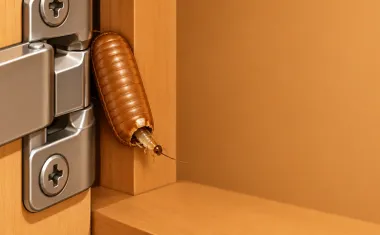
Roach eggs sit inside a brown, bean-shaped case ¼ to ⅜ inch long, with a dozen to 40-plus eggs. Sprays can’t get through it: vacuum up every case, then bait the hatchlings for a month.
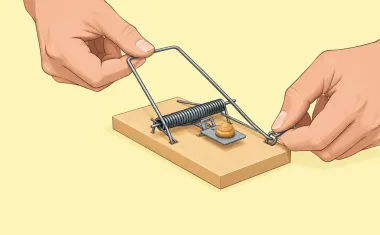
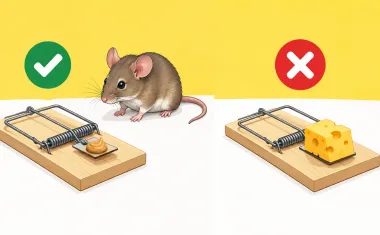
Dab pea-sized peanut butter on the pedal, pull the kill bar back, latch the arm bar and set the trap bait-end against the wall by fresh droppings. Two dozen wooden traps cost about $27.
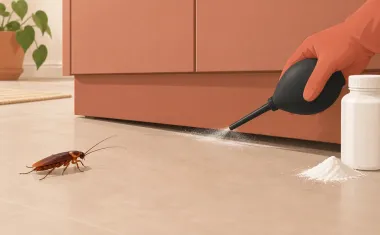
Boric acid kills roaches, but slowly: puff a barely visible film into cracks and voids, never piles in the open, add gel bait, and expect results after a week or more. A pound costs about $19.
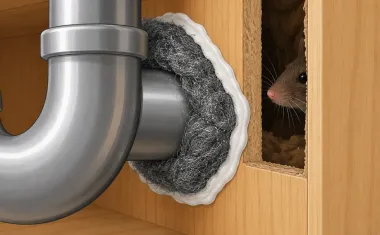
Yes, if you pack it tight and caulk over it: mice can’t chew through coarse steel wool, but they push past loose plugs and it rusts. Steel wool plus caulk costs about $11.
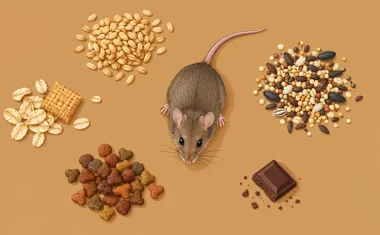
Mice prefer grains and seeds but eat almost anything, only about 1/10 ounce a day, so you can’t starve them out. Store food in glass, metal or thick plastic and trap the rest.
The best bait for mouse traps is a pea-sized dab of peanut butter or a food mice already eat. What to put on a trap, how much, and why mice lick it clean.