
Hi, I’m Enzo. I write the guides here. I’m not an exterminator. I studied applied math at UC Berkeley, ran a campus food business there that actually made money, and I’ve started a few companies since. I still own a food business today. If you work in food, you learn fast that food safety and pests never stop being a problem, and I’ve been on the losing end of it more than once. I got into pests the way most people do: I had a problem, and nobody would give me a straight answer.
How I Got Into Pests
It started with my first restaurant. The kitchen had fruit flies and house flies. We swapped the fly boards every day. Didn’t matter: the flies kept coming, a few landed in food, and customers complained.
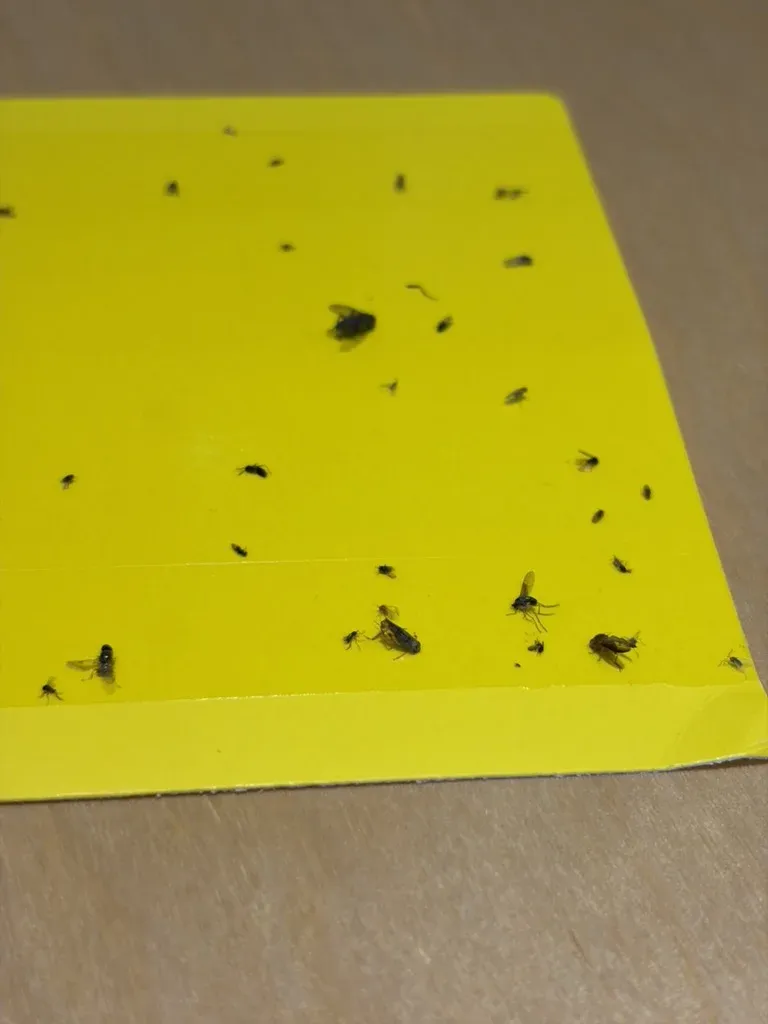
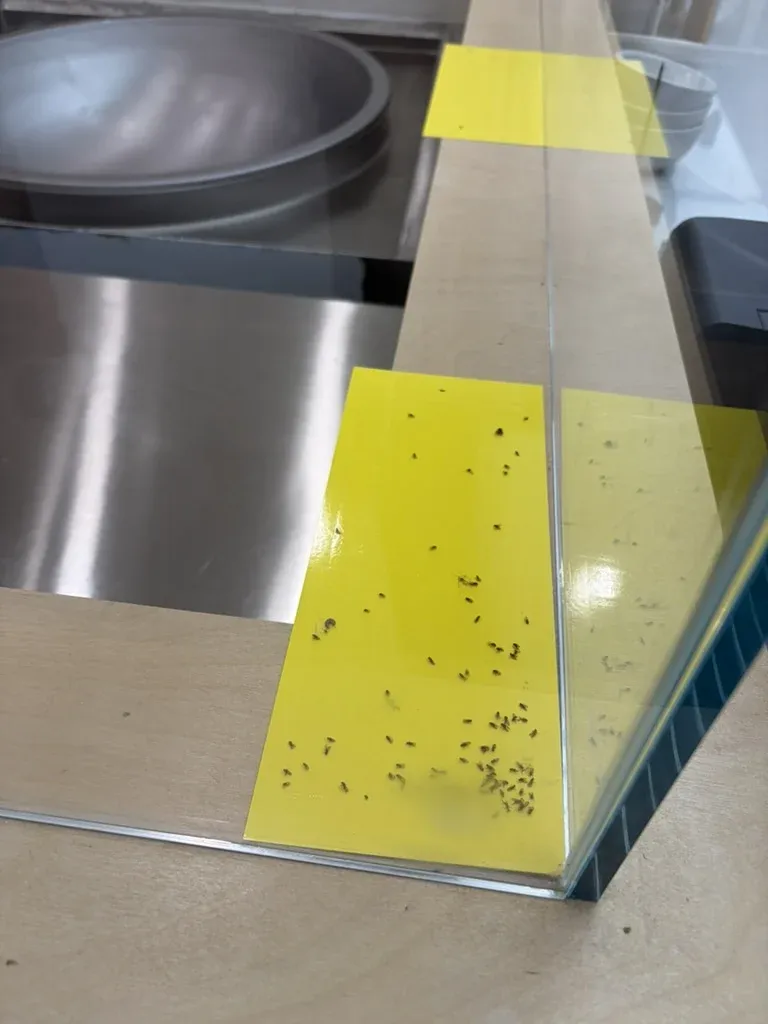
And at night you could hear rats running between the ceiling panels and the pipes.
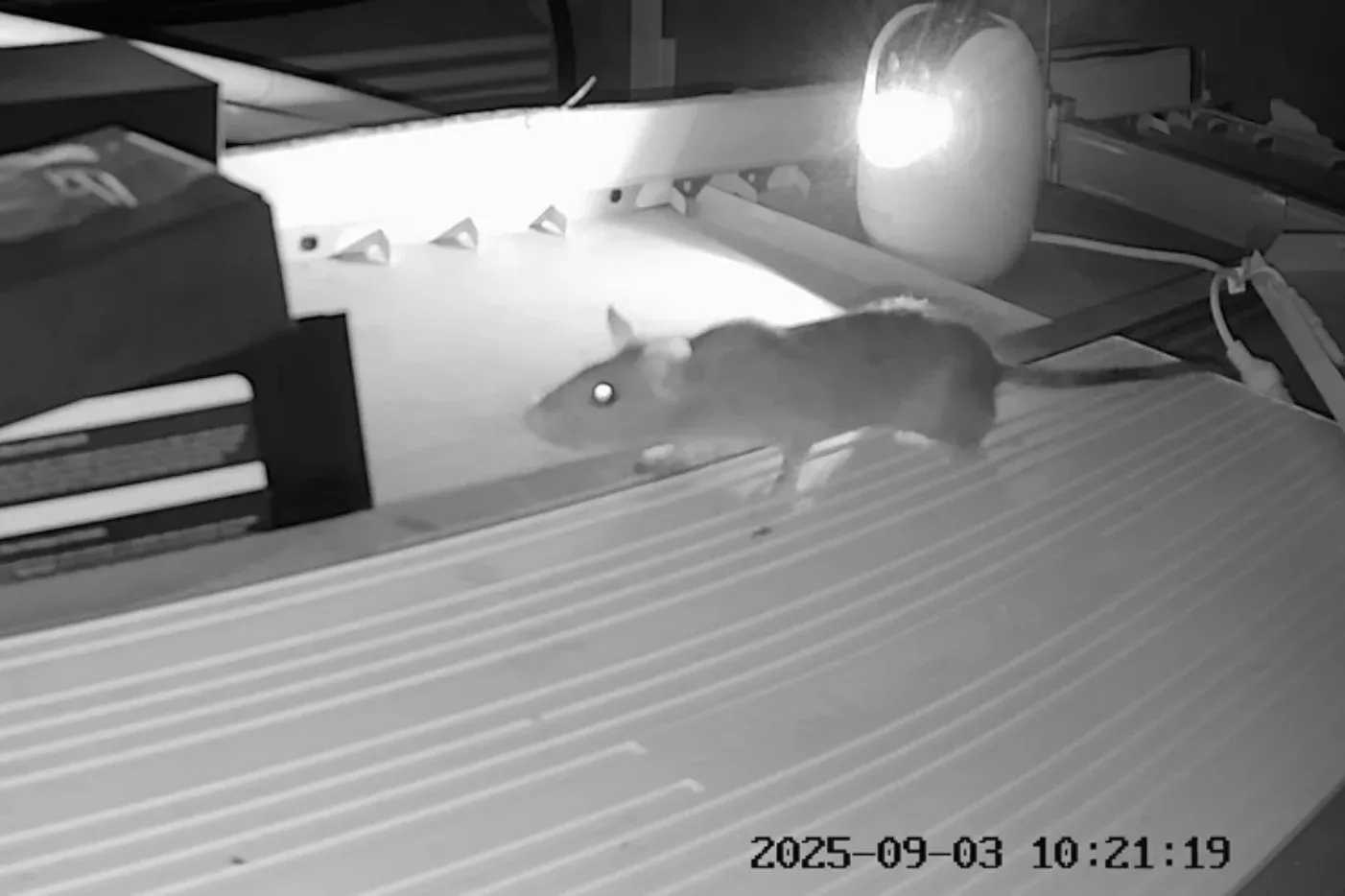
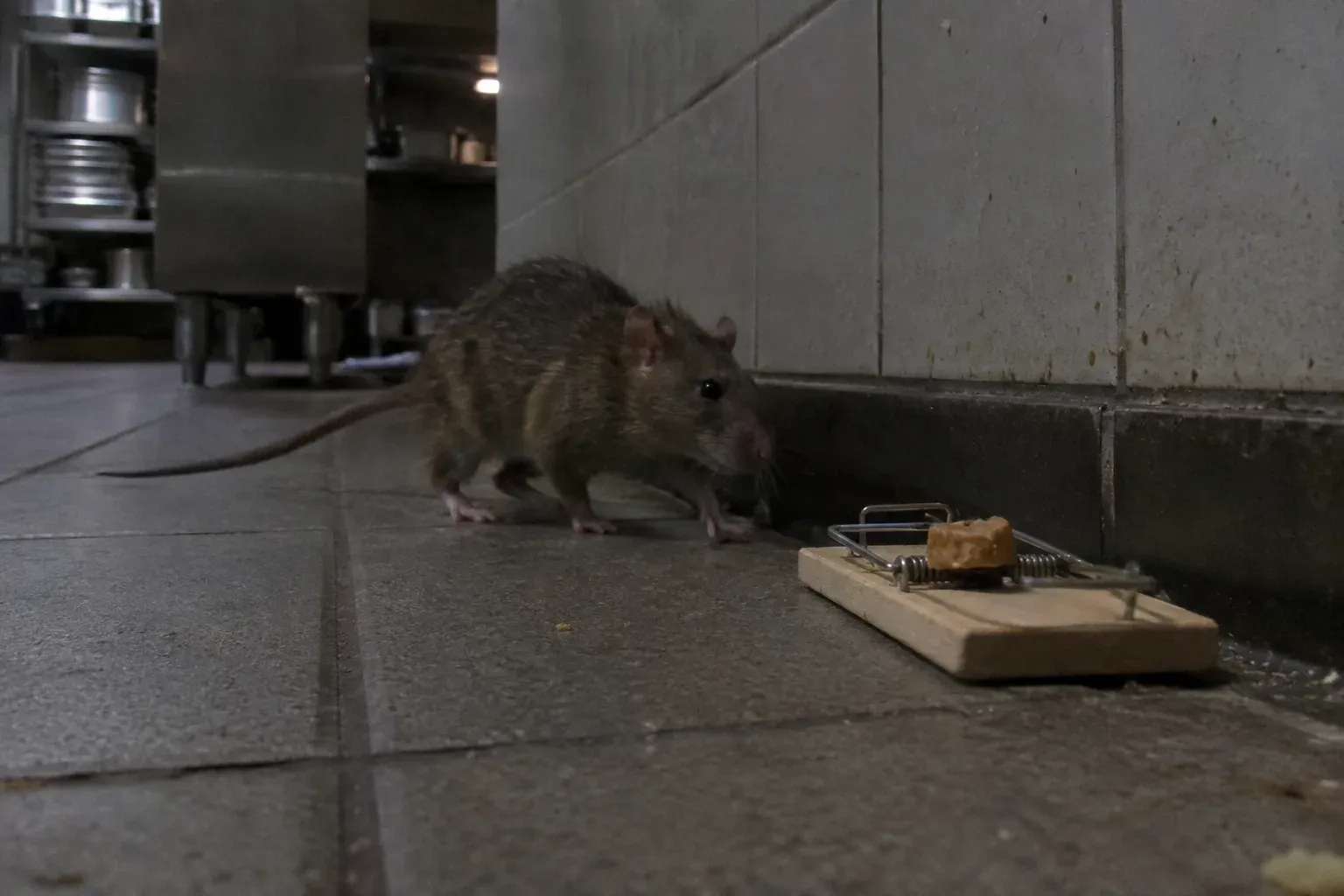
So I set traps, and the rats walked right past them. Later I found out there’s a name for that, neophobia: rats don’t trust anything new. Then I hired an exterminator who charged by the visit. They’d spray, leave, and nobody told me what was actually going on in my own kitchen. So we just kept calling them back.
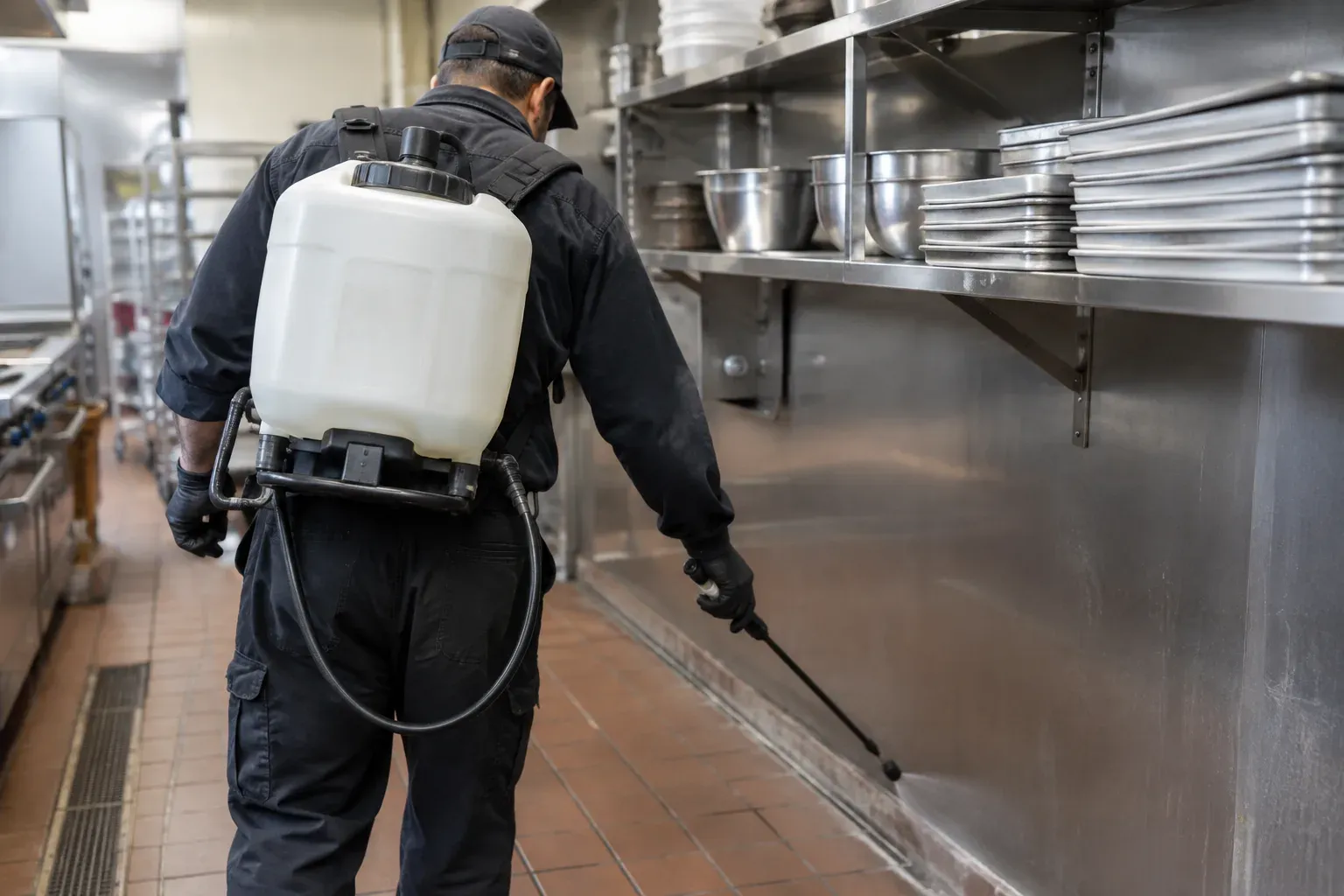
What I’ve Done Since
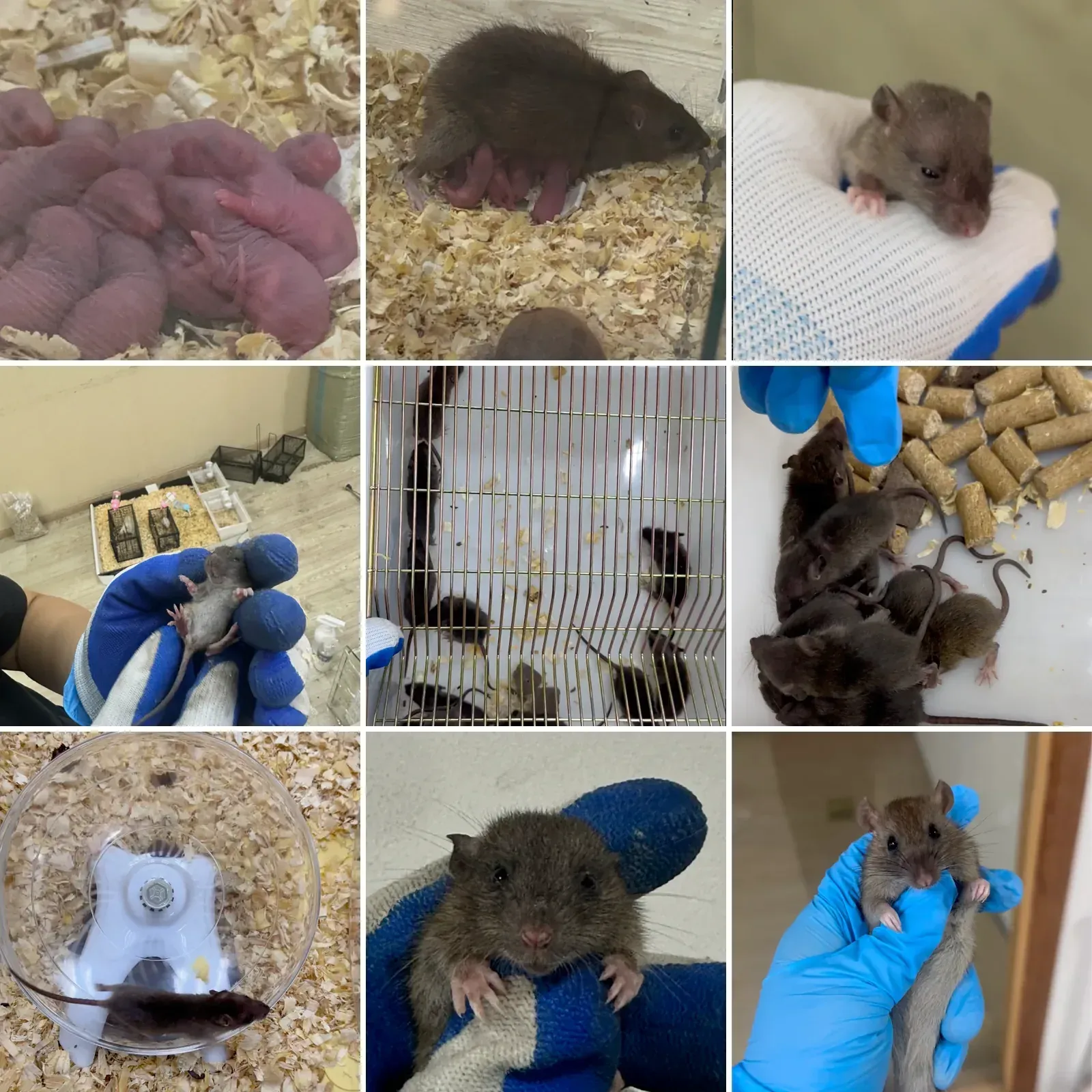
I wanted to know what I was up against. So I spent more than two years watching wild rats and mice, out where they live and in captivity, to see how they really act around food, cover and traps.
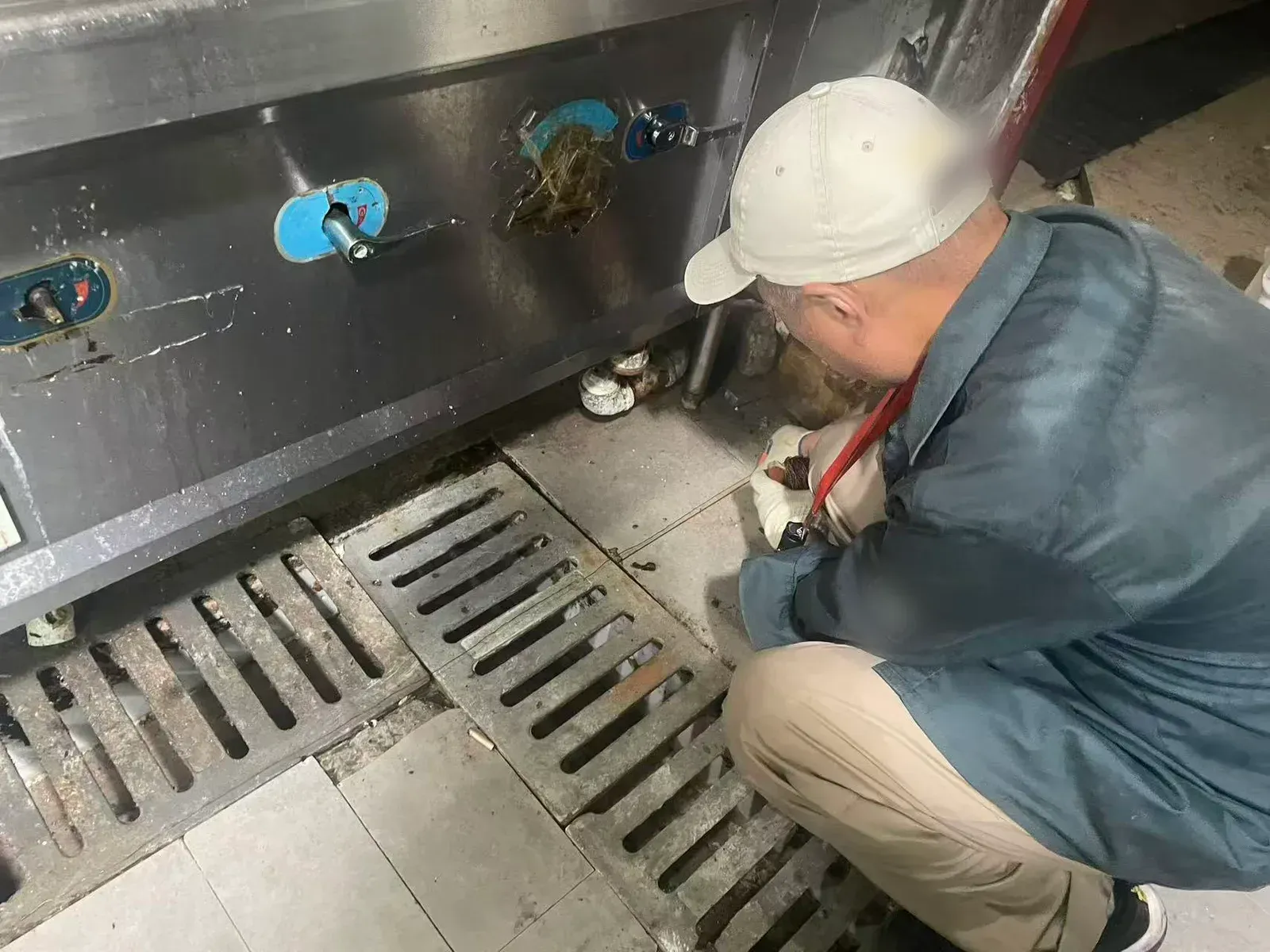
I also tagged along with pest control technicians into commercial kitchens with rodent problems, to see how the standard tools hold up on a real job.
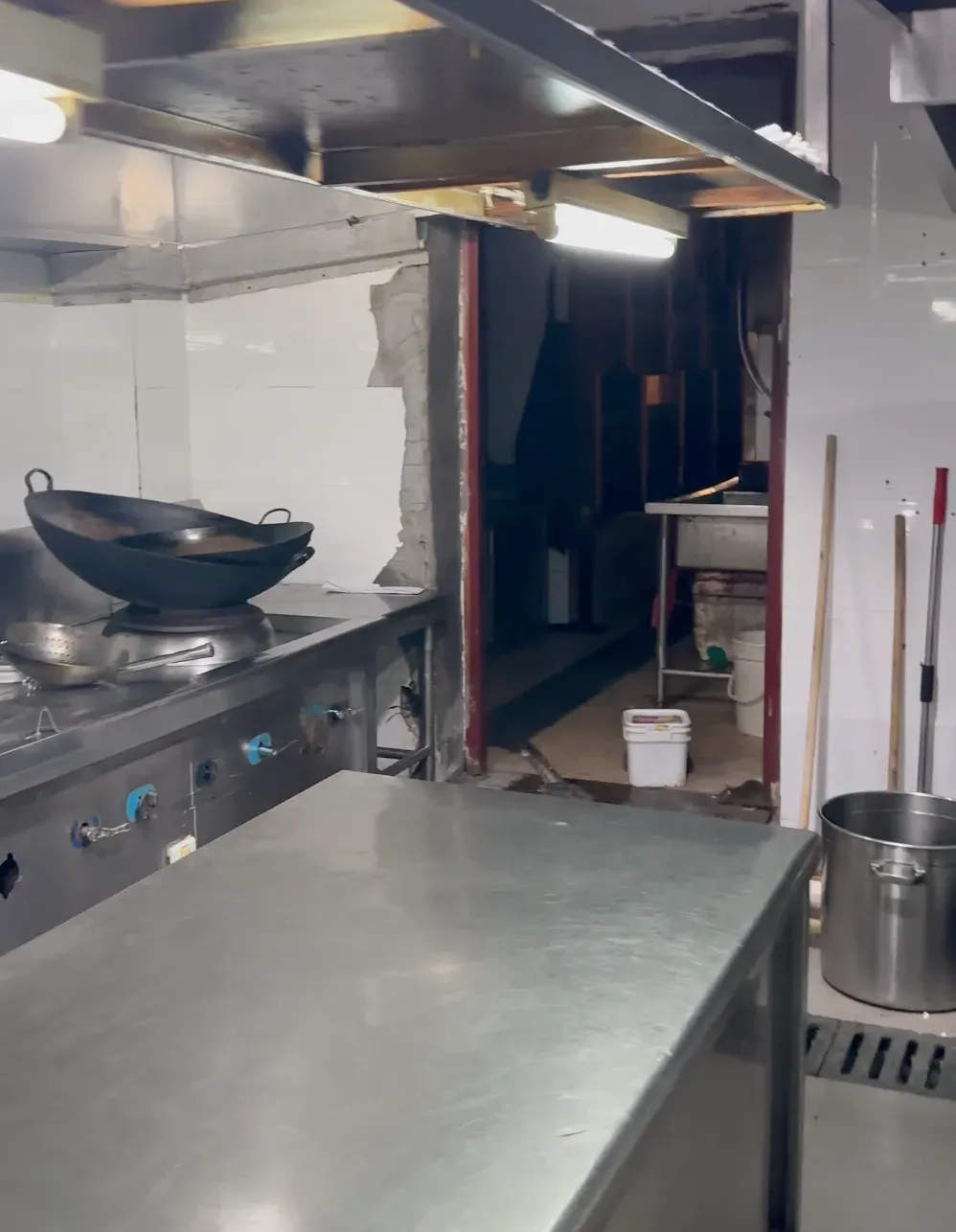
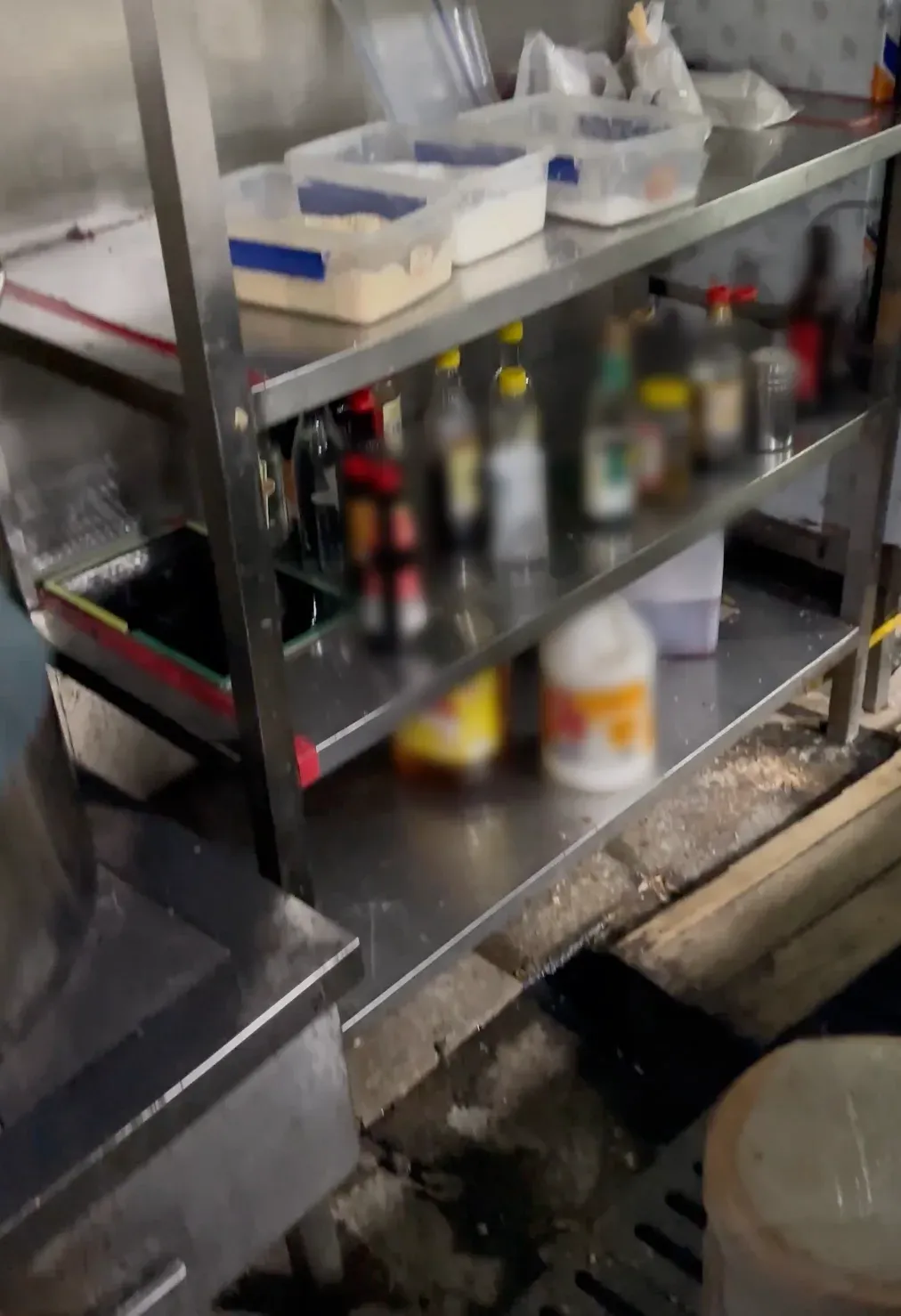
And I spent one to two weeks at a time at market stalls, fish and fruit stands where rats showed up every single night, testing trapping methods.
Honestly, none of the traps I tested were good enough. So I’m working on a next-generation mouse trap, and I hope it helps a lot of people. Until it’s ready, the guides recommend the best of what you can buy today.
How I Write the Guides
Every claim in a guide gets checked against what the CDC, the EPA and university extension programs actually publish, and I link the page so you can check it yourself. If I can’t find a solid source, it doesn’t go in. Prices only come from sources I can name, and I quote the high end, so a real bill doesn’t surprise you.
To be upfront: the guides aren’t reviewed by a doctor or an entomologist. If it’s a medical question, like a bite that won’t heal, the guide will tell you to go see a doctor. My biggest project so far, and where the math degree comes in handy: I went through 5,315 real exterminator quotes that homeowners shared online. Here’s what they show.
Why Humane, Why DIY
I care about doing this humanely. If a mouse has to die, it should be fast and clean. That’s why the guides recommend snap traps and steer you away from glue traps and rat poison.
Poison also doesn’t stop with the mouse. A poisoned rat can take days to die, and the hawk or owl that catches it gets a dose too. A Cornell study found rat poison in 68% of the red-tailed hawks it tested from across New York State. When Flaco, the owl who lived free in Central Park, died in 2024, his necropsy found four different rat poisons in his body.

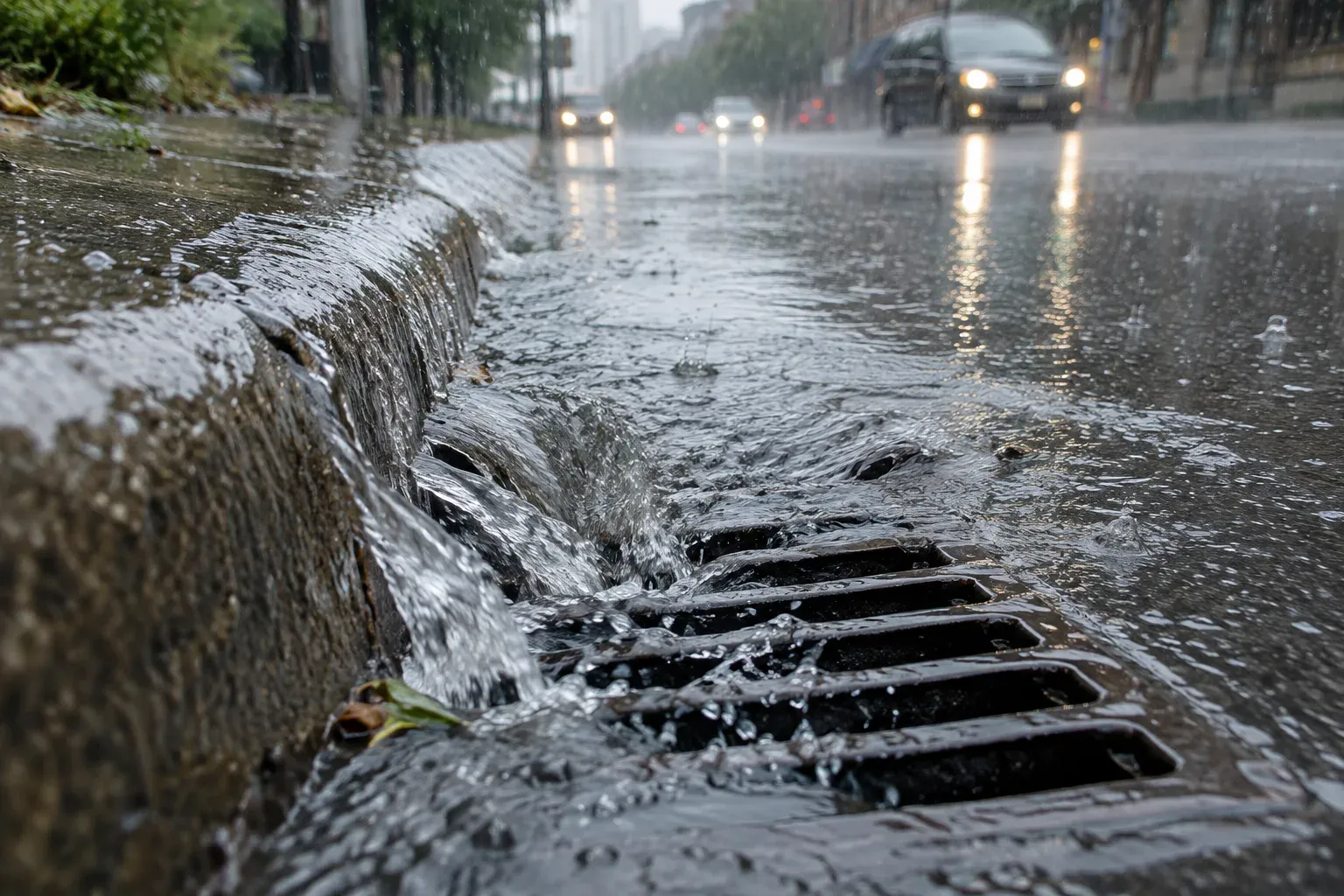
It ends up in the water, too. Cities bait their sewers for rats, and Germany’s environment agency found that the poison washes out with heavy rain, makes it through wastewater treatment, and builds up in fish. Nearly every fish liver they tested had rat poison in it.
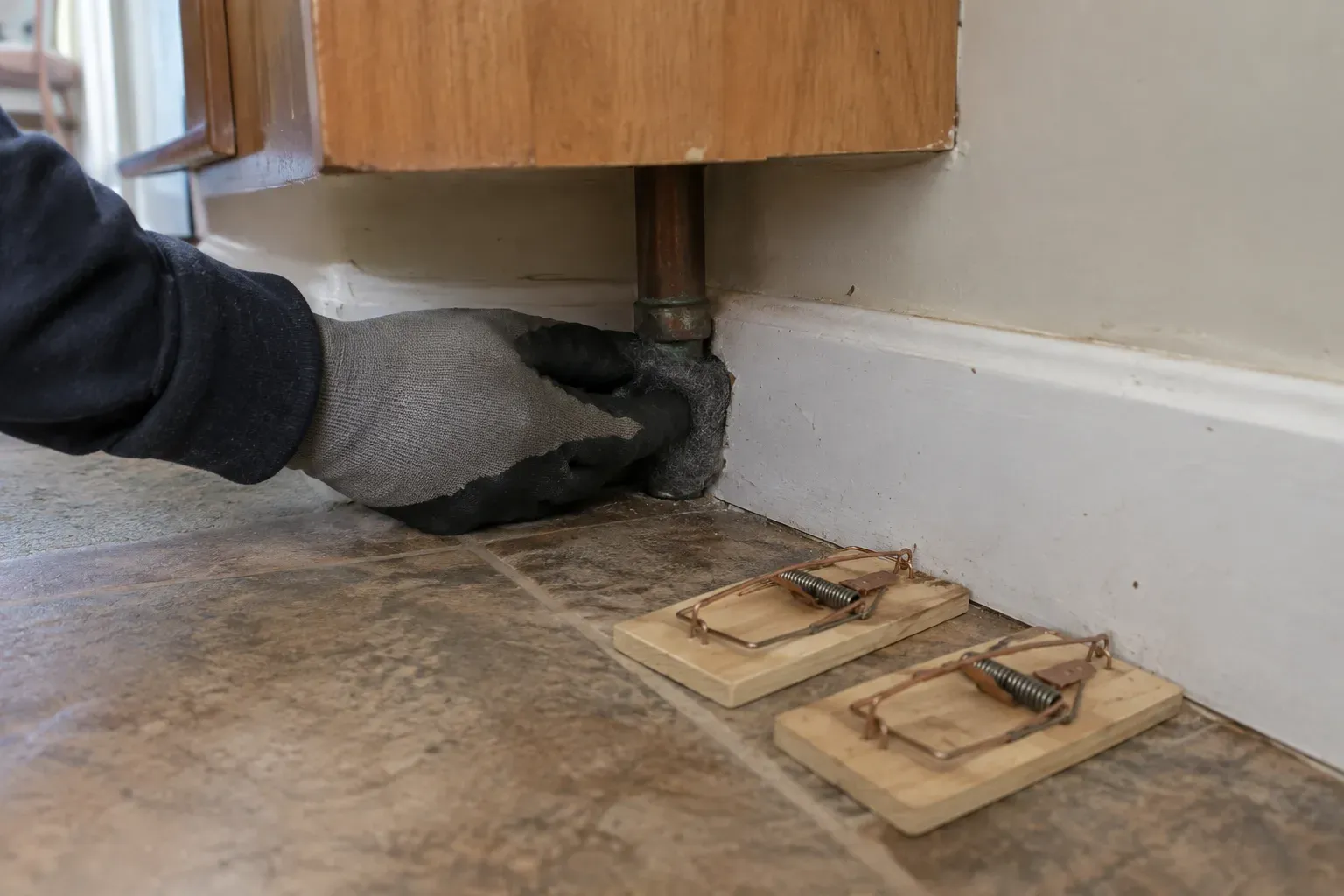
As for DIY: I’ve done this work side by side with the pros, and a lot of what you pay for is the fact that you don’t know what they know. Most of a mouse job is sealing gaps, setting traps along the walls and checking them. You can do that yourself for a few dollars.
So here’s my take. Unless you just don’t want to deal with it, or it’s a pest that really needs a pro, like termites or a hornet nest inside a wall, you can probably handle it yourself. Pest.gg is meant to be your first stop: figure out what you’re dealing with, fix what you safely can, and call a pro when it’s actually worth the money.
Recently updated guides
- How Long Do Cockroaches Live? Lifespan by Species
- How Long Do Mice Live? House Mouse Lifespan and Breeding
- How to Get Rid of Crickets in the House: Traps, Dry Air and Sealed Gaps
- How to Get Rid of Weevils in Rice, Flour and Pantry Food
- Spider Egg Sac: What It Looks Like and What to Do With It
- What Do Cockroaches Eat? The Foods Feeding Roaches in Your Home
- Mice in Your Couch? How to Get Rid of Them and Save the Sofa
- Mouse Poop vs. Rat Poop: How to Tell Droppings Apart