How Long Do Cockroaches Live? Lifespan by Species
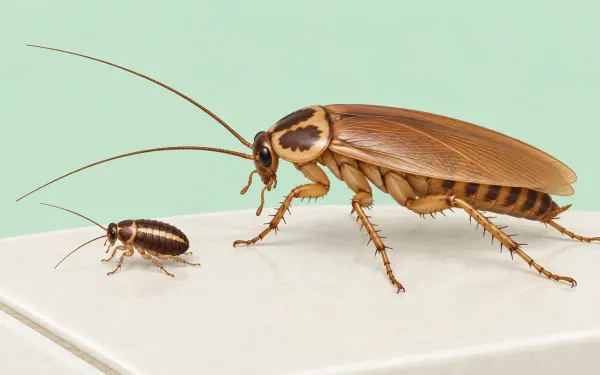
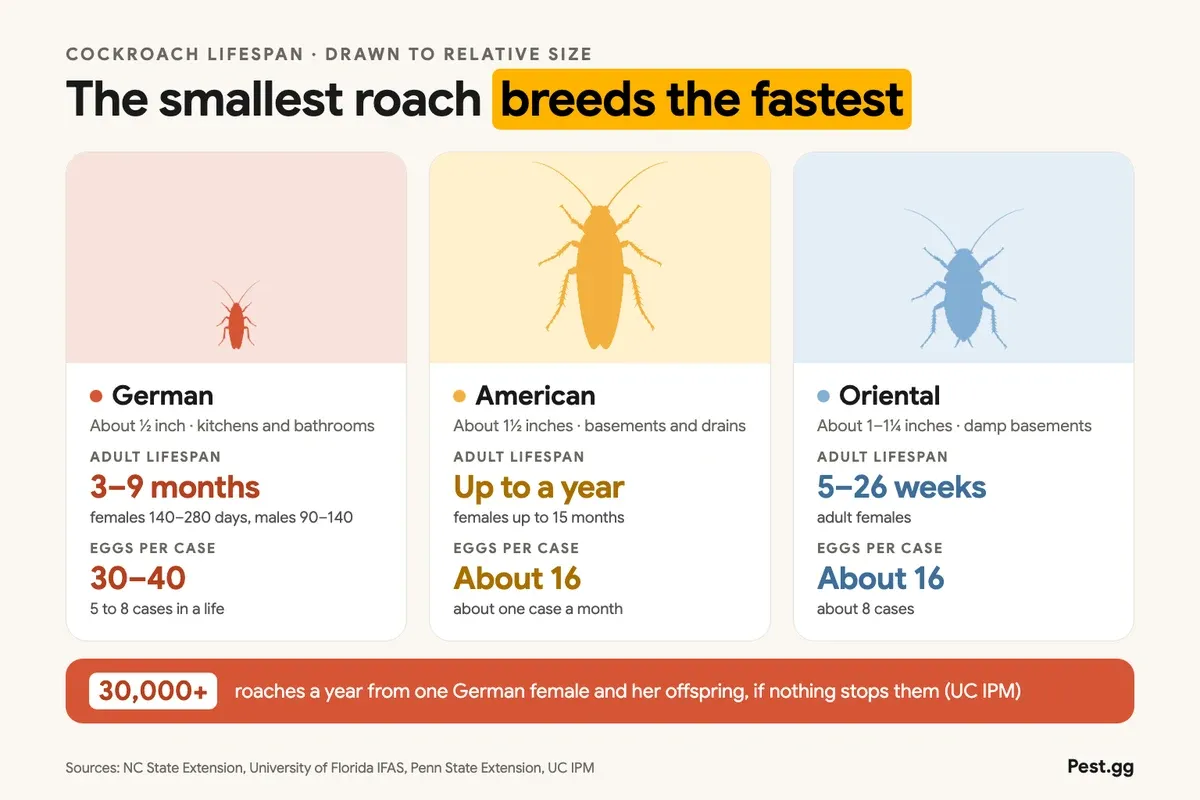
How long cockroaches live depends on the species. An adult German cockroach, the common kitchen roach, lives about 3 to 9 months: females 140 to 280 days, males 90 to 140 (NC State). An adult American cockroach can live up to about a year, and a female up to 15 months in ideal conditions (University of Florida, Penn State). The German roach makes up for its shorter life by breeding far faster, which is why bait that keeps working for weeks beats a spray.
Cost: about $24–$54 in supplies. Difficulty: easy. Call a pro if sticky traps still catch roaches after two rounds of baiting, or roaches keep coming in from a neighboring apartment.
This guide covers lifespan and life cycle by species, how long roaches last without food, water or a head, and what that means for getting rid of them. We haven’t tested anything ourselves; it rests on NC State, University of Florida, Penn State and UC IPM guidance.
Cockroach Lifespan by Species
| Cockroach | Adult lifespan | Egg to adult | Eggs |
|---|---|---|---|
| German | Females 140–280 days, males 90–140 (NC State) | 70–100 days (NC State) | About 30–40 per case, 5–8 cases, 200–250 in a life |
| American | Up to a year; females up to 15 months (UF, Penn State) | About 600 days on average (UF) | About 16 per case, one case a month for ten months (UF) |
| Oriental | Adult females 5 to 26 weeks (Penn State) | Not given; eggs alone take about 60 days to hatch | About 16 per case, about 8 cases (Penn State) |
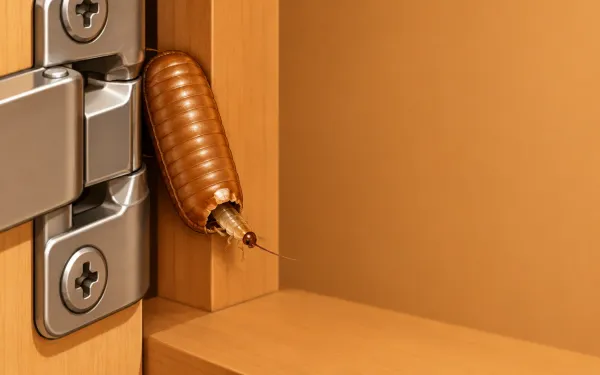
Egg counts for German roaches are from NC State and Rutgers; cockroach eggs shows what each species’ egg case looks like.
The Cockroach Life Cycle
Every cockroach goes through three stages: egg, nymph and adult.
- Egg case. Eggs sit in two rows inside a leathery capsule. The German female carries hers for the 3 to 4 weeks the eggs take to develop, often dropping it only hours before they hatch (University of Florida). American and oriental females drop or glue their cases in a sheltered spot.
- Nymphs. The young, called baby cockroaches, look like small, wingless adults and molt several times as they grow. They eat the same food as adults (NC State).
- Adult. Adults have wings and keep producing egg cases: a German female about every 1 to 2 weeks (University of Florida).
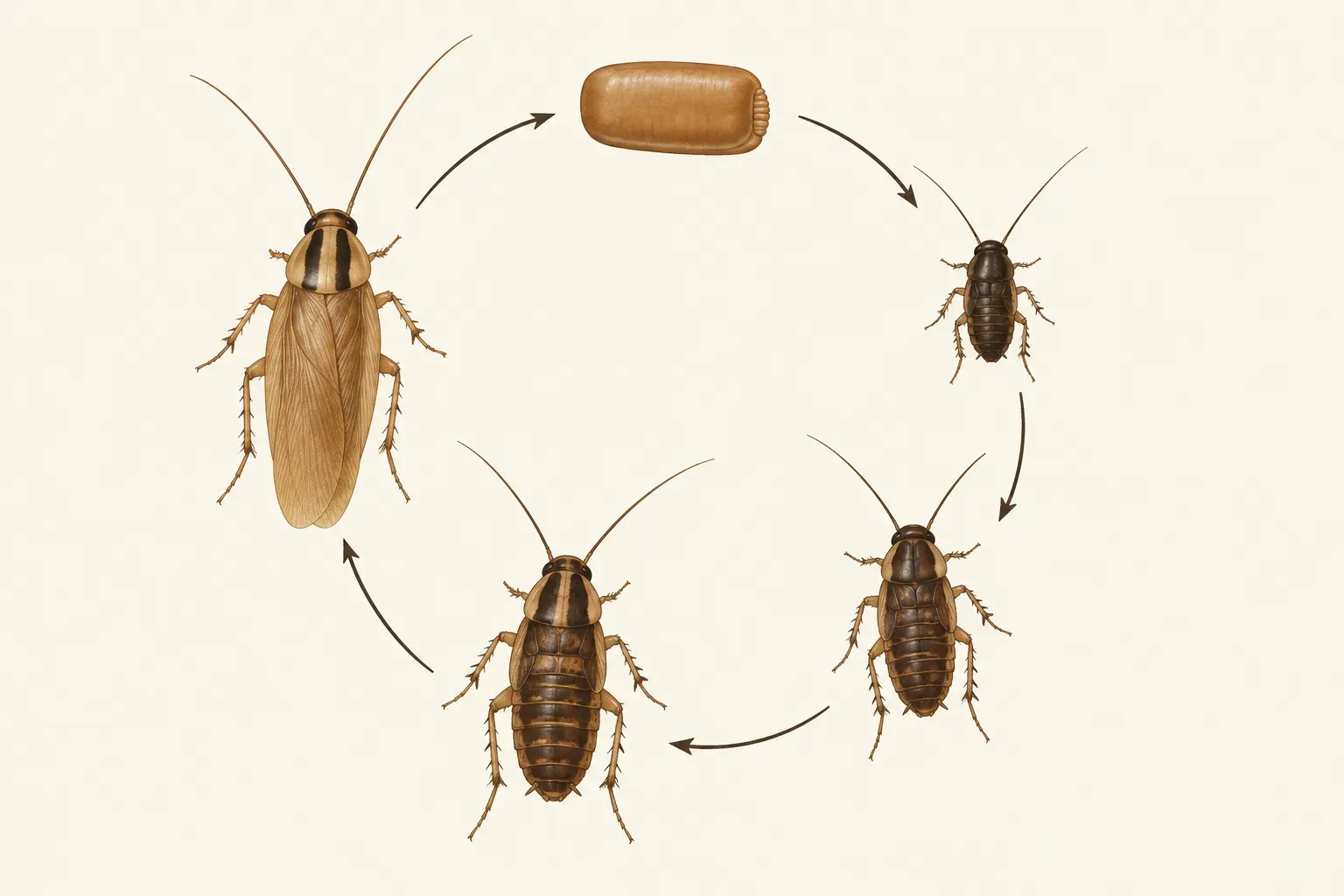
Illustration: the life cycle, from egg case to nymphs to adult.
That speed adds up. UC IPM says a single German female and her offspring can produce over 30,000 roaches in a year if nothing stops them, against over 800 for the American roach and nearly 200 for the oriental roach.
How Long Can a Cockroach Live Without Food, Water or a Head?
| Without | German cockroach | American cockroach |
|---|---|---|
| Food | About 42 days, if it has water (UF) | Two to three months (Penn State) |
| Water | Under two weeks, even with food (UF) | About a month (Penn State) |
| Food and water | About 2 weeks (UF) | Not given |
NIEHS sums up most species the same way: up to a month without food, about a week without water. What cockroaches eat covers which food and water to take away first.
Without a head: for weeks, according to physiologist Joseph Kunkel of the University of Massachusetts Amherst, quoted in Scientific American. Roaches have an open circulatory system with little pressure, and the neck often seals by clotting, so they don’t bleed out.
Why Bait Works Better Than Spray
A roach’s life cycle is the reason. The egg case shields eggs from sprays, and a German female carrying a case barely eats, so the next generation is already on its way when you spray. Baits keep working for weeks, catching nymphs as they hatch and start feeding, while sprays near bait make roaches avoid it.
Step 1: Bait where they hide. Pea-sized dabs of gel in hinge gaps, under the sink and behind the fridge. Roach gel bait shows how much.
Step 2: Track them with sticky traps. Nymphs of several sizes on a trap mean they’re breeding there.
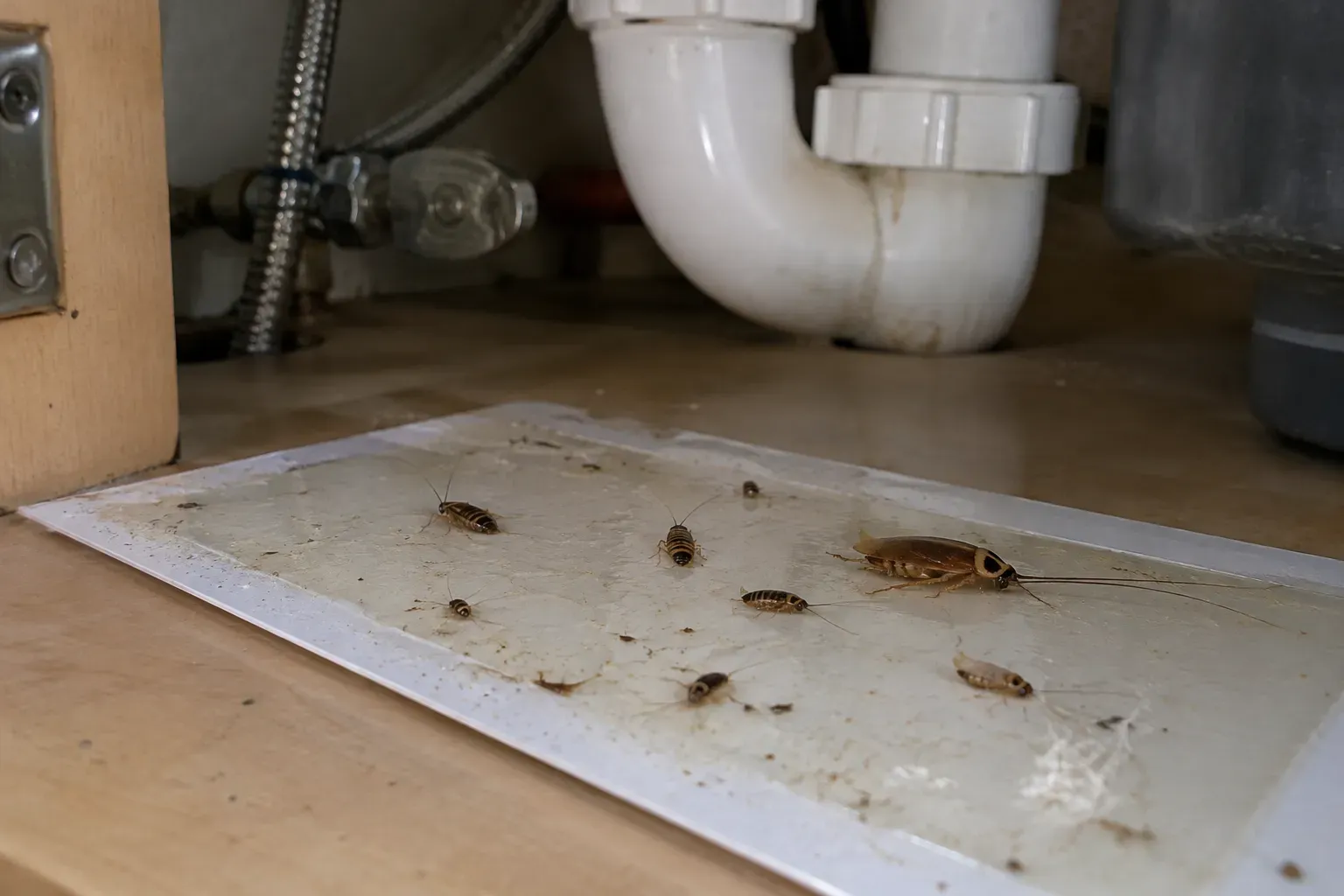
Illustration: a sticky trap under the sink with nymphs of several sizes, a sign they’re breeding nearby.
Step 3: Rebait for at least a month. UC IPM says it takes 7 days or longer before you see fewer roaches. A few new babies in weeks two and three are normal while egg cases keep hatching. How to get rid of German roaches has the rotation plan.
Step 4: Remove egg cases you find. Vacuum them up or seal them in a bag and throw them out.
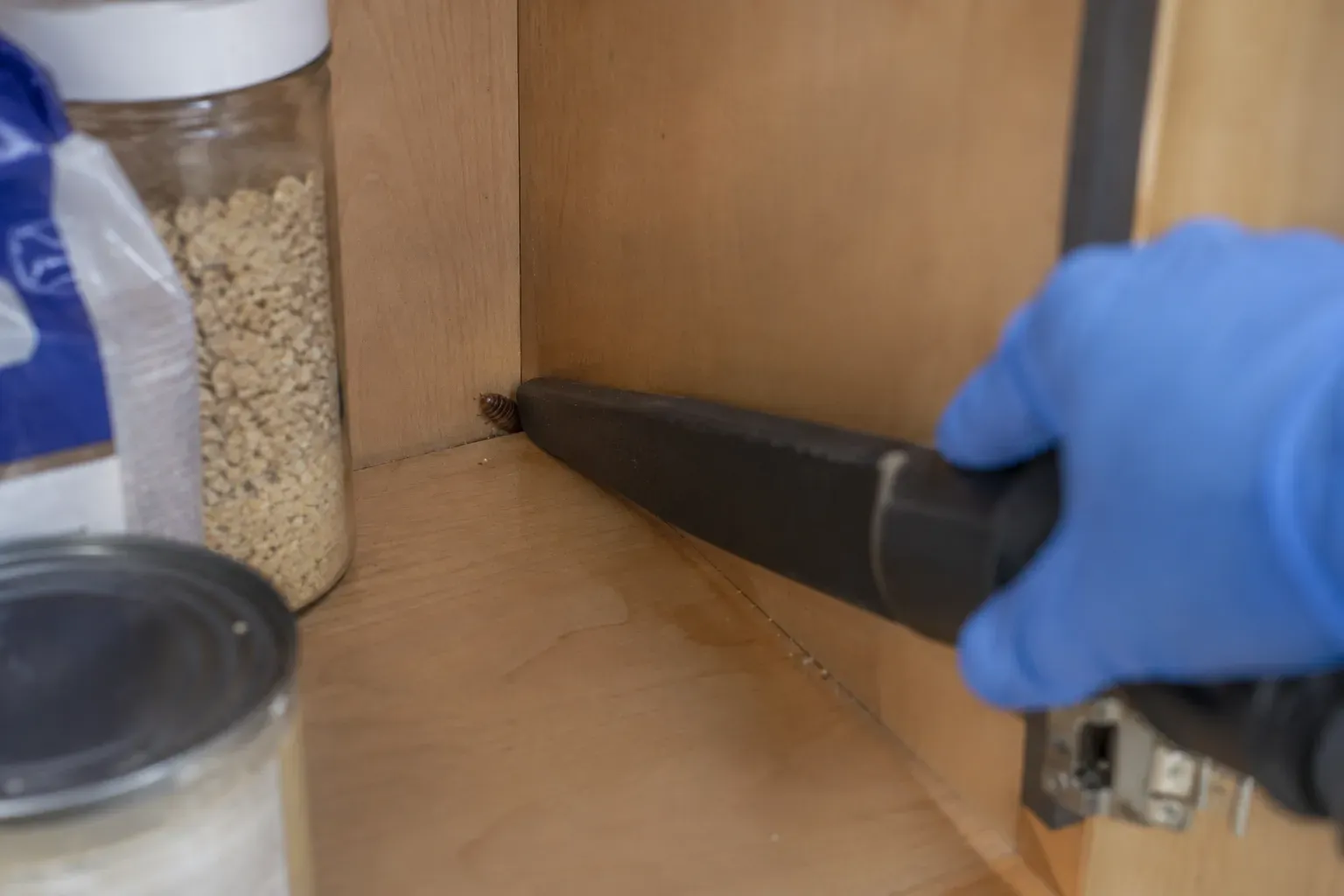
Illustration: vacuuming an egg case out of a cabinet corner.
When to Call a Pro
If sticky traps still catch roaches after two rounds of baiting, or roaches keep coming in from a neighboring apartment.
Common questions
Not in a heated home. German cockroaches live year-round indoors near warmth, water and food. Oriental and American roaches are most active in the warm months, but in a warm basement or drain they can keep going.
No. The University of Florida’s entomology site says a cockroach would not survive the heat of a nuclear fireball or the shockwave. Roaches do tolerate radiation better than people: in one test they survived 10,000 rad, about 10 times the lethal dose for humans, though flour beetles did better still.
Usually 1 to 3 days for a roach that eats gel bait, but it takes a week or more before you see fewer roaches overall (UC IPM), because nymphs keep hatching.
Egg cases keep hatching for weeks, and a German female carrying a case barely eats bait until it hatches. Keep baiting and checking sticky traps until they catch nothing for a month.
The Bottom Line
German cockroaches live only a few months as adults but breed so fast that waiting never works. American roaches live longer and breed slower. Either way, bait where they hide, track them with sticky traps and keep baiting for at least a month.
Sources and further reading · 9
- NC State Extension: Biology and Behavior of the German Cockroach: adult lifespan, development time, egg cases, nymph diet.
- University of Florida IFAS: Least Toxic Methods of Cockroach Control (ENY-258), hosted by the Maine Department of Agriculture: egg case carrying, egg case frequency, survival without food or water.
- University of Florida IFAS: American Cockroach (IN298): American roach lifespan, development and egg cases.
- Penn State Extension: American Cockroaches and Oriental Cockroaches: lifespan, eggs, survival without food and water.
- Rutgers NJAES: German Cockroach (FS1322): German roach egg counts.
- UC IPM: Cockroaches (Pest Notes 7467): offspring per year, time for bait to work.
- NIEHS: Cockroach Myths and Misconceptions: survival without food or water.
- Scientific American: Fact or Fiction?: A Cockroach Can Live without Its Head (March 15, 2007).
- University of Florida IFAS Online Entomology: Can Cockroaches Survive a Nuclear Bomb?