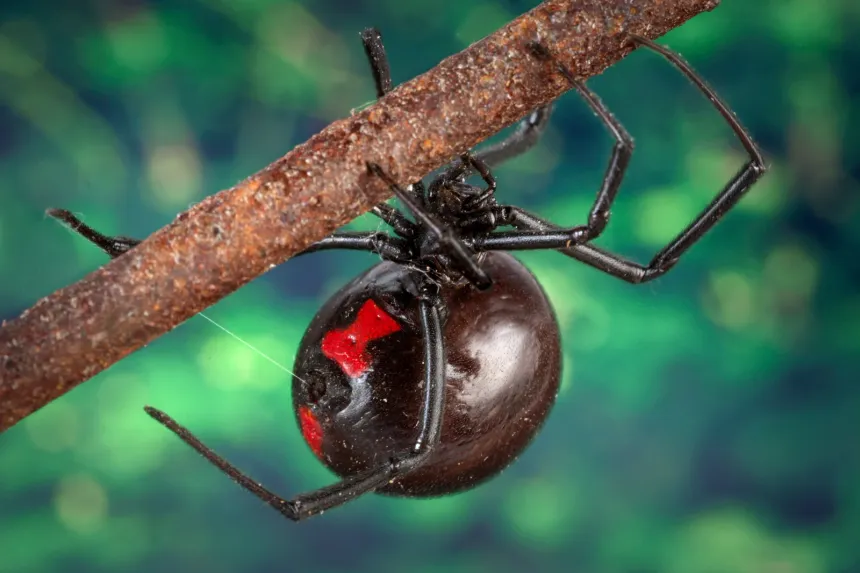
- Scientific name
- Latrodectus species
- Also called
- black widow, southern black widow, western black widow
- Size
- Female body about 1/2 in; males much smaller
- Color
- Female shiny black with a red hourglass underneath; males brown or patterned
- Found in
- Woodpiles, garages, sheds, meter boxes, under outdoor furniture
- Harmful?
- Yes. Painful bite with muscle cramps; get medical care
- Active
- Warm months; stays in the web
The black widow is a glossy black spider with a red hourglass underneath, found in garages, sheds and woodpiles across most of the US. Its venom affects the nerves, so any bite needs medical care, though serious outcomes are uncommon. The one thing to do: wear gloves when you move firewood, boxes and outdoor items.
This page covers how to identify black widows (female, male and young), their look-alikes, what a bite feels like and how to check for them safely. It rests on UC IPM and university extension guidance.
How to Identify a Black Widow: Glossy Black, Red Hourglass
Only the adult female is the classic shiny black spider with the red hourglass; males and young spiders look quite different.
- Adult female: about 1/2 inch body, glossy black with a round, bulbous abdomen.
- Red or orange hourglass on the underside of the abdomen. Some have red spots on top too.
- Male: much smaller, slimmer, brown or gray with light stripes and spots. Males are rarely a bite risk.
- Young spiders: orange, brown and white patterns that darken as they grow.
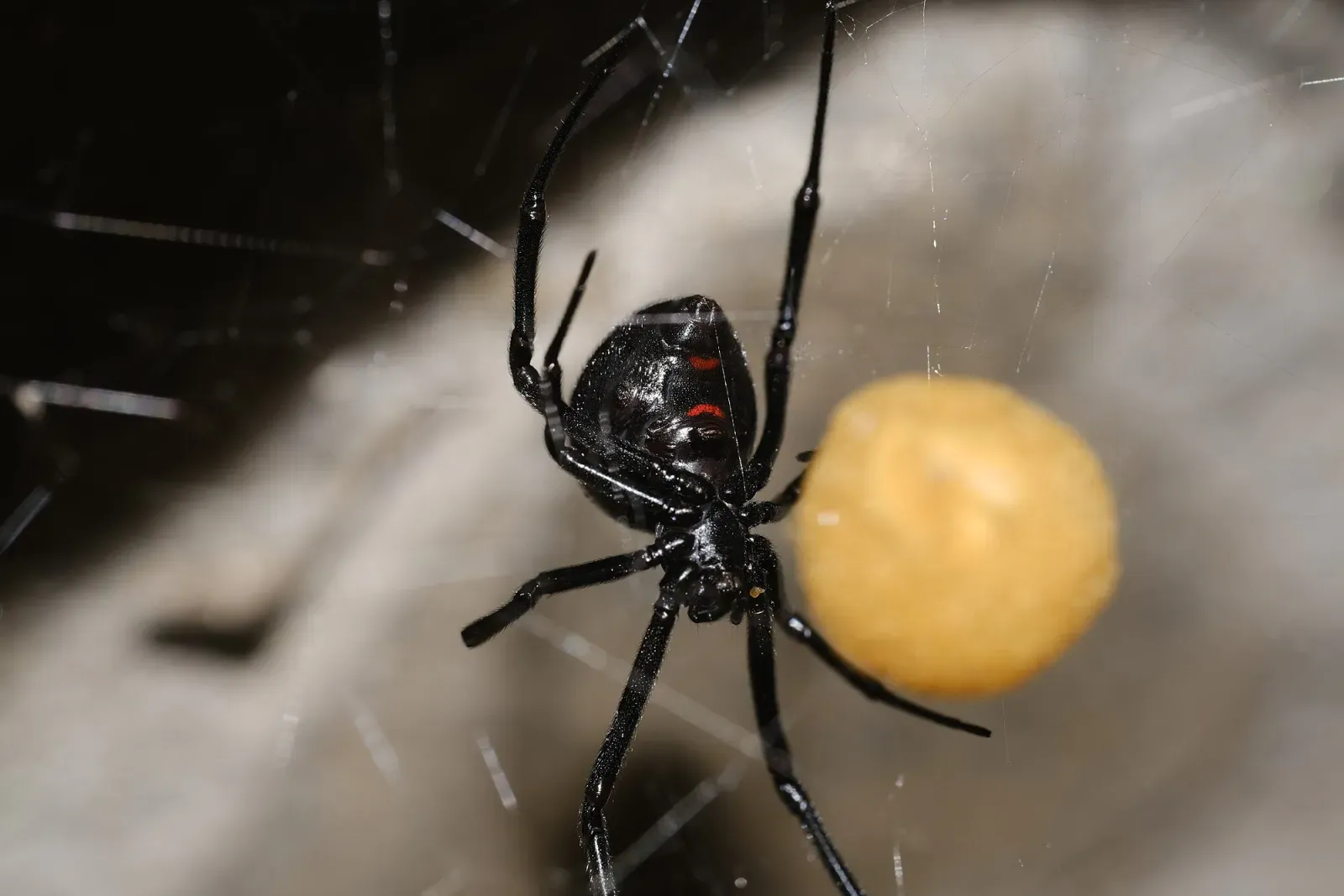
A female black widow guarding her round, papery egg sac in a tangled web. Photo: Tyler C. (CC0), via Wikimedia Commons.
Male vs. Female Black Widows: The Female Bites
| Look at | Female | Male |
|---|---|---|
| Size | Body about 1/2 in; with legs about 1 1/2 in | Roughly half the size |
| Body | Round, glossy black abdomen | Slim, brown or gray |
| Markings | Red hourglass underneath, sometimes red spots on top | Light stripes and spots on the sides |
| Bite risk | The one that bites people | Rarely bites |
The Three US Black Widows: Check the Hourglass
- Southern black widow: a complete red hourglass underneath; common across the South and East.
- Northern black widow: the hourglass is split into two separate red marks, often with red spots down the back.
- Western black widow: similar to the southern; the common widow of the West.
Black Widow vs. Look-Alikes: No Hourglass, No Widow
| Spider | How it differs | How to tell |
|---|---|---|
| False black widow | Dark purplish-brown, round abdomen; mild bite | No hourglass |
| Brown widow | Tan to brown with an orange hourglass | Round egg sacs covered in small spikes |
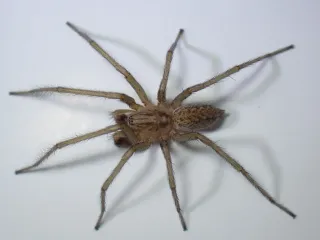
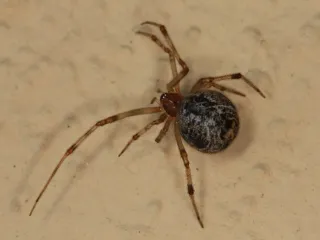
| Common house spider | Round, mottled brown abdomen | Not glossy black; no hourglass |
The Web: Messy, Strong, Close to the Ground
Black widows build messy, tangled webs with very strong silk, close to the ground, in dark protected places. The spider usually hangs upside down in the web, showing the hourglass. Females hang round, tan, papery egg sacs, about 1/2 inch across, in the web and guard them; each holds hundreds of eggs.
Where Black Widows Live: Sheltered Spots Outdoors
Black widows live in every state of the lower 48, most commonly in the South and West, and are most noticeable from late spring through fall.
- Woodpiles, stacked bricks and stones
- Garages, sheds, crawl spaces and barns
- Water meter and utility boxes
- Under outdoor furniture, playground equipment and planters
They survive winter in sheltered spots, which is why one can turn up in a box or a pair of boots stored over the winter.
Are Black Widows Harmful? Yes: Get Medical Care
The bite can feel like a pinprick, and two tiny marks may be visible. Within about an hour, pain can spread from the bite to the chest, belly or back, with muscle cramps, sweating and nausea. Serious outcomes are uncommon, but young children, older adults and people with health problems are more at risk.
UC IPM advises getting medical care for any black widow bite; bring the spider if it’s safe to. Bites usually happen when a hand or foot presses into the web, in gloves, shoes and stored boxes. Bug bite pictures compare other bites.
How to Check for Black Widows Safely
- Use a flashlight under outdoor furniture, deck rails, grills and the lids of utility boxes.
- Check garage and shed corners near the floor, and gaps in stacked firewood or bricks.
- Shake out shoes, gloves and stored clothing before putting them on.
- Look for the tough, messy web first; the spider usually hides at its edge by day.
What to Do: Gloves On, Webs Off, Woodpile Away
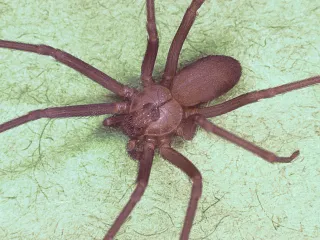
Wear gloves when moving firewood, boxes and outdoor items, not bare hands. Remove webs with a vacuum or stick, clear clutter, move woodpiles away from the house, and seal gaps around doors and foundations. The brown recluse is the other spider worth knowing by sight.
Often confused with
Sources
- Spiders (UC IPM)
- Common Spiders Found Around Homes and Buildings (University of Kentucky Entomology, EF622)
Last reviewed Oct 4, 2026.