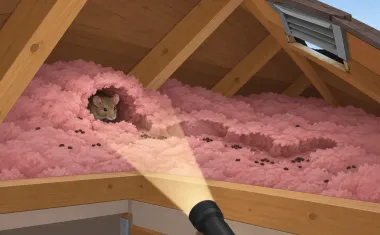
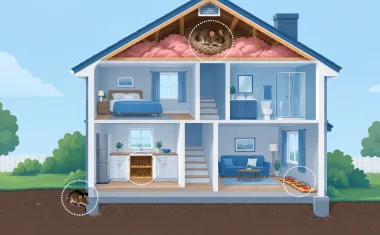
Snap traps along the eaves, metal over every roofline gap and a wet cleanup clear most attics. DIY supplies run about $57–71; shared pro sealing quotes run $1,400–$3,000.
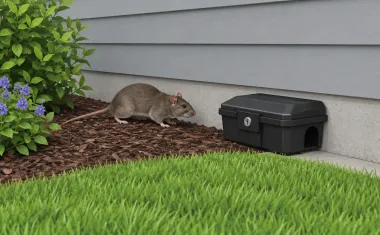
Outdoor rat bait stations kill some rodents feeding by the house but seal nothing. Monitoring plans can run $50–$150 a month; sealing gaps and trapping yourself costs $65–87.
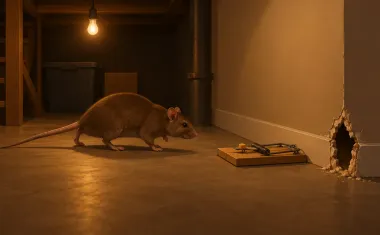
Rats need bigger traps and tougher sealing than mice. Here's the plan, step by step, for about $65–87 in supplies; shared pro quotes for sealing jobs run $1,400–$3,000.
Vinegar, peppermint and cats won't clear a house. Sealing gaps, snap traps and locked-up food will, with no poison involved, for about $57–71 in supplies.
Mice avoid peppermint and a few other oils in lab tests, but no smell has been shown to clear mice from a home. Sealing gaps and about $60 of traps does.
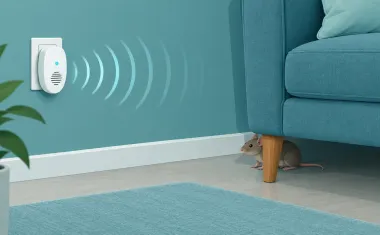
No. Mice and rats quickly get used to the sound, and UC IPM says the devices don't work on house mice. If yours is still returnable, spend the money on traps.
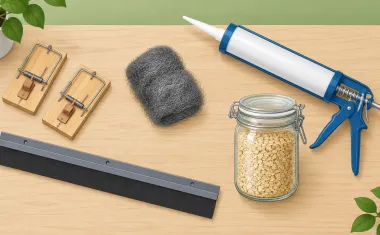
Two dozen snap traps, metal in every gap and food in sealed bins: the whole DIY plan costs $57–71 in supplies, versus a $2,000 median for pro sealing jobs homeowners shared.
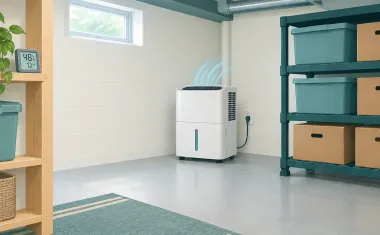
Yes, it helps: silverfish, springtails and house centipedes need damp air. Keep rooms at 30–50% humidity with a $130–150 dehumidifier and a $10 hygrometer, and fix the leak behind it.
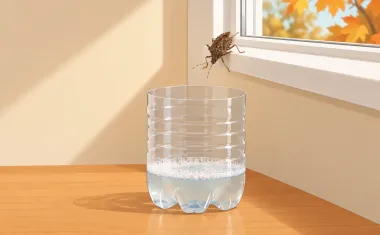
Vacuum them or knock them into soapy water, set a lamp-and-soapy-pan trap at night, and seal outside cracks before late summer. Indoor sprays don’t help. Supplies run about $11–16.
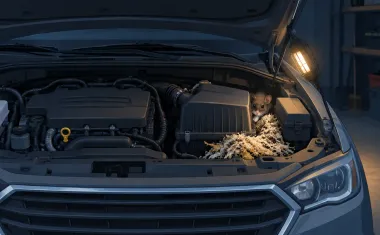
Keep mice out of your car by clearing food and clutter where you park, driving it often and setting snap traps around it ($14–27). Mothballs and ultrasonic gadgets aren’t reliable.