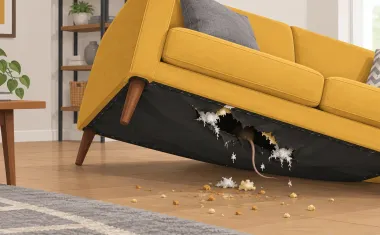
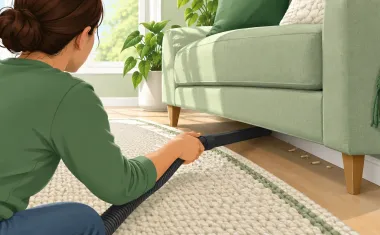
Mice in your couch? Don’t vacuum or shake it. Set snap traps along the wall beside it, soak droppings with disinfectant, then shampoo or steam clean. About $57–71 in supplies.
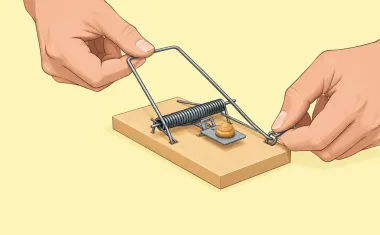
Dab pea-sized peanut butter on the pedal, pull the kill bar back, latch the arm bar and set the trap bait-end against the wall by fresh droppings. Two dozen wooden traps cost about $27.
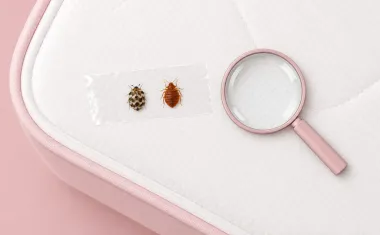
Hairy, or round like a tiny ladybug? Carpet beetle: it eats wool, not you. A flat, reddish-brown oval the size of an apple seed, or dark seam spots, means bed bugs.
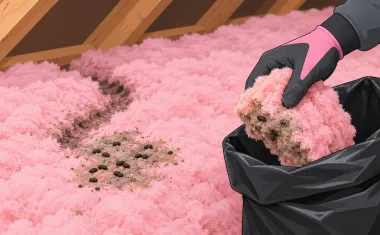
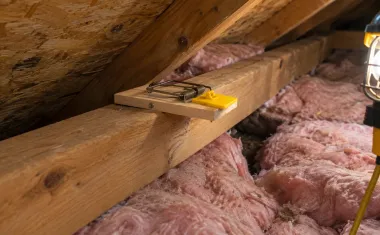
Mice in insulation don’t always mean a new attic: trap and seal first, then bag only the soiled patches and top them up. Full restoration runs $3.30–$5.50 per sq ft.
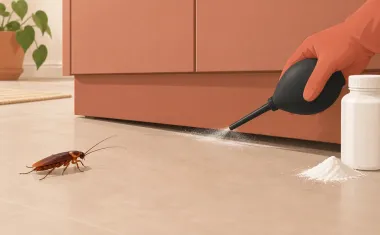
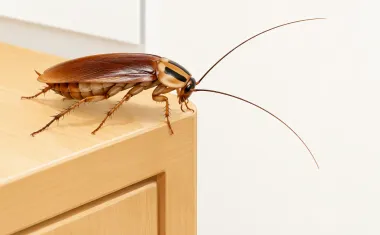
Boric acid kills roaches, but slowly: puff a barely visible film into cracks and voids, never piles in the open, add gel bait, and expect results after a week or more. A pound costs about $19.
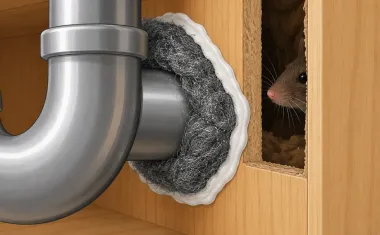
Yes, if you pack it tight and caulk over it: mice can’t chew through coarse steel wool, but they push past loose plugs and it rusts. Steel wool plus caulk costs about $11.
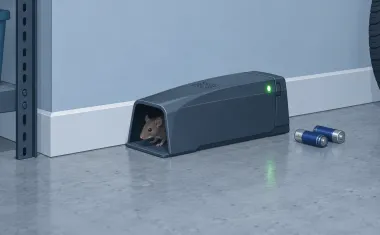
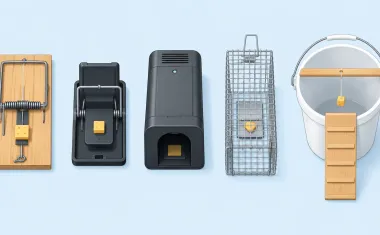
A plain wooden snap trap, about $1 each, is the best mouse trap for most homes. How electronic, live, bucket and glue traps compare, and which to skip.
Bait, don’t spray: many pea-sized dabs of gel where German roaches hide, sticky traps to count them, and a new active ingredient when counts stall. Supplies run about $54; shared quotes for a full pro treatment run $450–$1,500.
Carpet beetles on the windowsill or larvae in a closet? Find where the larvae feed, vacuum, hot-wash or freeze what they touched, and spray only the cracks you can’t clean.
Rats in the attic are usually roof rats. Pre-bait rat-size snap traps on beams and pipes for a few nights, then set them; trim branches back from the roof, seal gaps at the roofline and vents, and clean up droppings the CDC way.