Pest guide
Springtail Guides
Springtails mean moisture. Find the damp spot, dry it out, fix the source outside the walls and clear the tiny jumping bugs without heavy sprays.
2 guides · Updated Oct 4, 2026
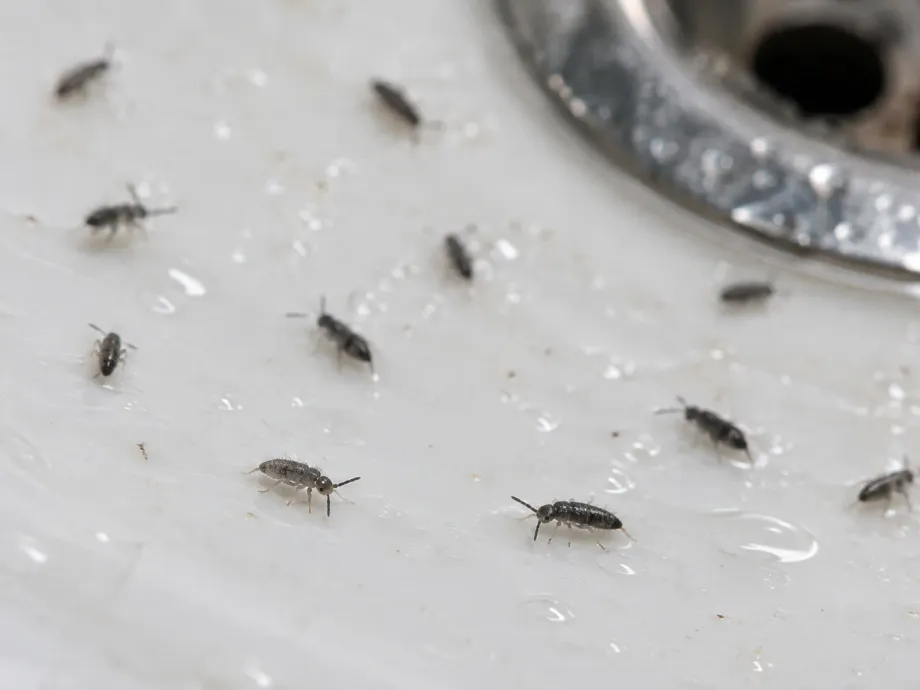
Springtails overview
How to identify springtails
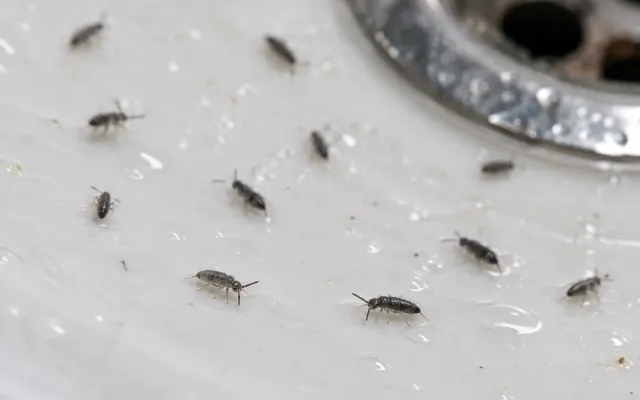
Springtails are tiny, wingless and about 1/16 inch long, gray, white, black or bluish. They jump when disturbed and turn up in damp bathrooms, basements, houseplant soil and on window sills (UC IPM, University of Minnesota Extension). They are harmless: they don’t bite or damage anything.
Why they’re in your house
Springtails live in damp soil, mulch and leaf litter, feeding on fungi, mold and decaying plants. When the soil outside dries out, often after a wet spring followed by a hot, dry spell, they come looking for moisture and get in under doors, along pipes and vents, or in potted plants (Colorado State). Indoors they crawl toward water and get trapped in sinks and tubs, and vacuuming alone can’t win while moisture keeps them alive.
Where to start
Read how to get rid of springtails: find the leak or damp spot, dry it out, and keep indoor humidity under 60%. Springtails that can’t find moisture soon die. They are soft and easy to crush, so water and a vacuum are all you need for the ones you see. Dehumidifiers for bugs covers what size to buy.
How to keep them out
Keep the moisture from coming back: fix leaks and drips, run a fan or dehumidifier in damp rooms so humidity stays under 60%, and repair torn screens and gaps under doors where they crawl in. Never pour or spray insecticide down drains for springtails (UC IPM). Springtails can’t fly, so tiny flying insects around a drain are a different pest; see drain flies.
When to call a pro
Call a professional, or a plumber or waterproofing contractor, if you can’t find or reach the source of the moisture: a hidden leak inside a wall, a wet crawl space or water pooling against the foundation.
Sources: UC IPM: Springtails; University of Minnesota Extension: Springtails; Colorado State University Extension: Springtails; EPA: A Brief Guide to Mold, Moisture and Your Home
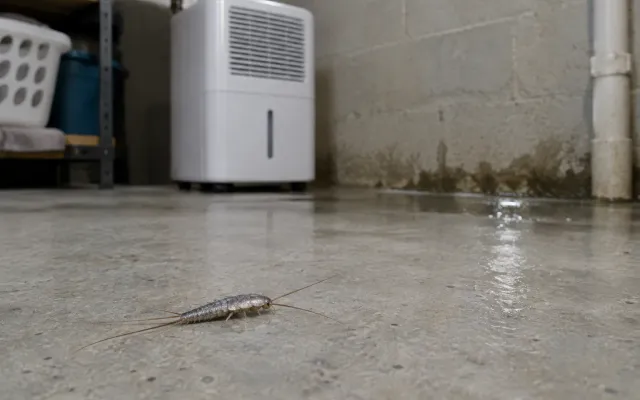
Silverfish guides that also cover springtails
1 guideWritten mainly about silverfish, with advice that applies to springtails too.
Not a springtail?
Guides for other pests.
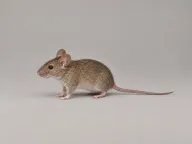
- Mouse Control Guides44 guides
- Rat Control Guides34 guides
- Pantry Moth Guides2 guides
- Pantry Beetle and Weevil Guides2 guides
- Clothes Moth Guides2 guides
- Carpet Beetle Guides6 guides
- Cockroach Guides19 guides
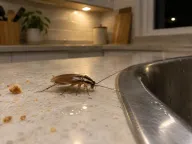
- Silverfish Guides3 guides
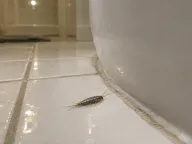
- Fly and Gnat Guides6 guides
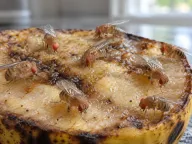
- Stink Bug Guides2 guides
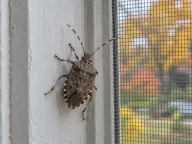
- Fall Invader Guides7 guides
Springtail questions
Are springtails harmful?
No. Springtails don’t bite, sting or damage anything in the house. They are a sign of moisture.
Why do springtails keep coming back?
The damp spot is still there. Vacuuming removes the ones you see, but they keep coming while moisture keeps them alive.
Do I need to spray for springtails?
No. Drying out the area is what works; springtails that can’t find moisture die on their own.