Pest guide
Clothes Moth Guides
Find where clothes moths are breeding, clean and freeze the wool they’re eating, store clothes so they can’t get back in, and skip what doesn’t work.
2 guides · Updated Oct 5, 2026
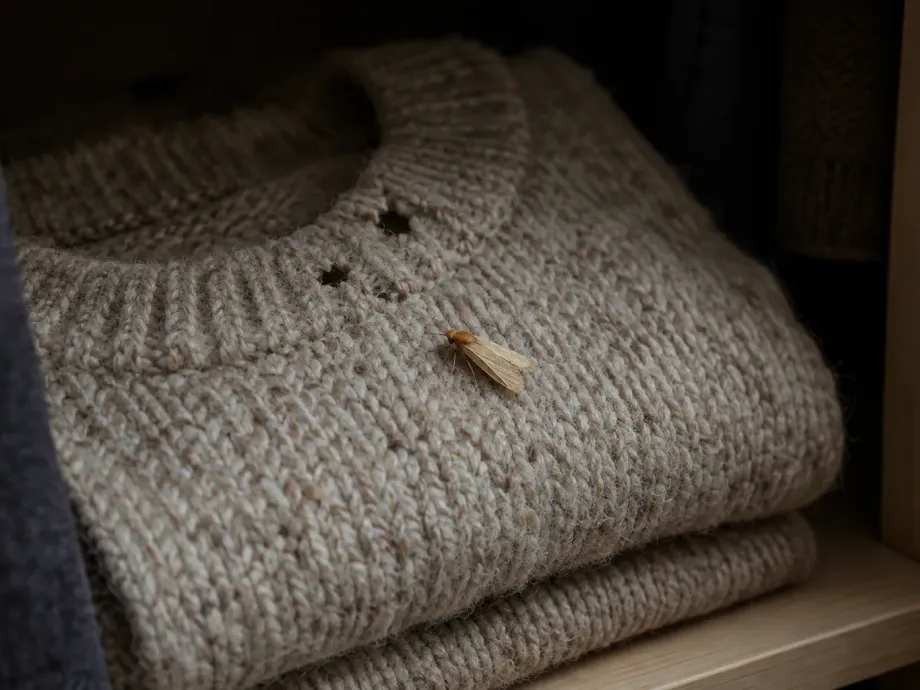
Clothes moths overview
How to identify clothes moths
The common one is the webbing clothes moth: about ¼ inch long, plain golden buff, with a tuft of reddish hair on its head. It avoids light, so you usually find the damage first. The larvae do the eating, on wool, silk, fur and feathers, and leave silk tubes or mats, thin grazed spots and holes (UC IPM, University of Kentucky). A moth flying around the kitchen light is more likely a pantry moth; pantry moths vs. clothes moths shows the difference.
Why they’re in your house
Clothes moths breed in animal fibers that sit undisturbed in the dark: a wool scarf at the back of the closet, a rug edge under furniture, lint and pet hair in a floor vent, or an old bird or rodent nest. Clothing worn two or three times a week is rarely damaged (Oregon State). New moths often arrive in secondhand wool clothes or rugs that weren’t checked.
Where to start
Read how to get rid of clothes moths first. It walks through finding the breeding spot, washing, dry-cleaning or freezing every infested item, vacuuming, storing woolens sealed, and using pheromone traps to check your work. If you aren’t sure the holes are moths, the comparison guide helps you rule out pantry moths.
How to keep them out
Cleaning kills eggs and larvae and removes the sweat odors that attract moths, so wash or dry-clean wool before you put it away. Pack woolens airtight in tight-fitting plastic bags or containers, check stored woolens at least once a year (Colorado State), and inspect secondhand wool, rugs and furniture before bringing them home. Vacuum rug edges, the carpet under furniture and lint-filled floor vents now and then, since those are the sources people miss most.
When to call a pro
Call a professional if moths are in feather- or hair-stuffed furniture, pillows or mattresses you can’t wash or freeze, if the infestation has spread through the house, or if moths keep turning up months after a full cleanout.
Sources: UC IPM: Clothes Moths; University of Kentucky: Clothes Moths (ENTFACT-609); Oregon State University Extension: Mothballs (PNW 606)
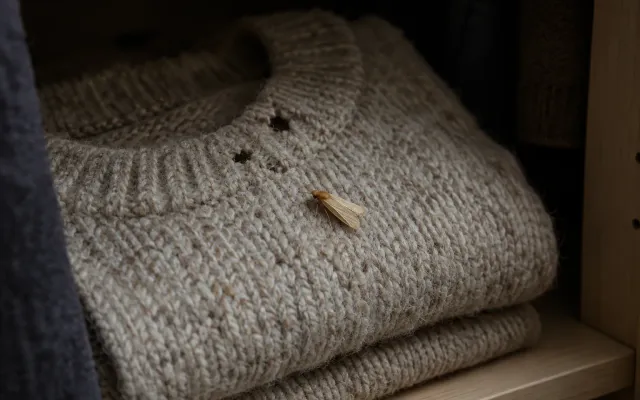
All clothes moth guides
1 guide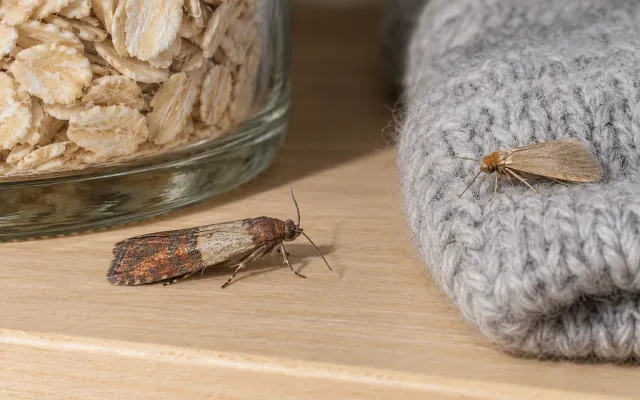
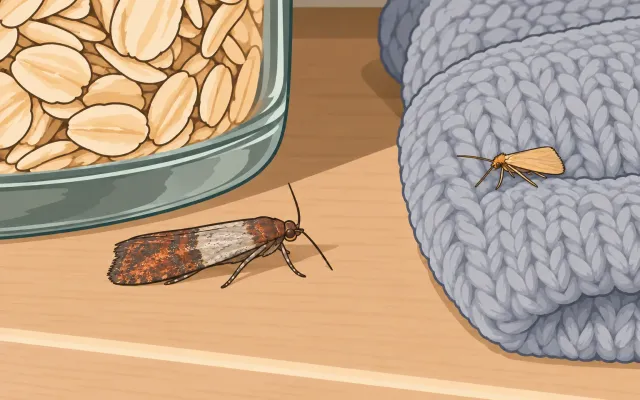
Identify the species
Pictures, size and look-alikes in the Pest Library.
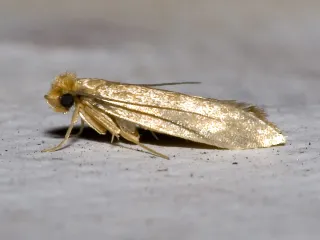
Not a clothes moth?
Guides for other pests.
- Mouse Control Guides44 guides
- Rat Control Guides34 guides
- Pantry Moth Guides2 guides
- Pantry Beetle and Weevil Guides2 guides
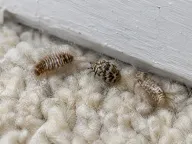
- Carpet Beetle Guides6 guides
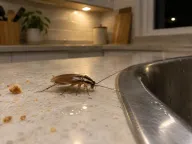
- Cockroach Guides19 guides
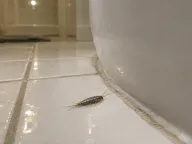
- Silverfish Guides3 guides
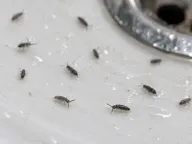
- Springtail Guides2 guides
- Fly and Gnat Guides6 guides
- Stink Bug Guides2 guides
- Fall Invader Guides7 guides
Clothes moth questions
What do clothes moths eat?
The larvae eat animal fibers: wool, silk, fur and feathers. Clothing worn often is rarely damaged; stored wool that sits undisturbed is the usual target.
Do mothballs get rid of clothes moths?
Only inside an airtight container, used exactly as the label says. Mothballs are pesticides and can be poisonous, so washing or freezing the item and storing it sealed is the safer fix.
Are clothes moths the same as pantry moths?
No. Pantry moths breed in stored food and are often seen flying in the kitchen. Clothes moths stay in closets and dark corners and feed on fabric.