Pest guide
Silverfish Guides
Find out why silverfish are in the bathroom or basement, dry the space out, remove what they eat and treat cracks so they don’t keep coming back.
3 guides · Updated Oct 5, 2026
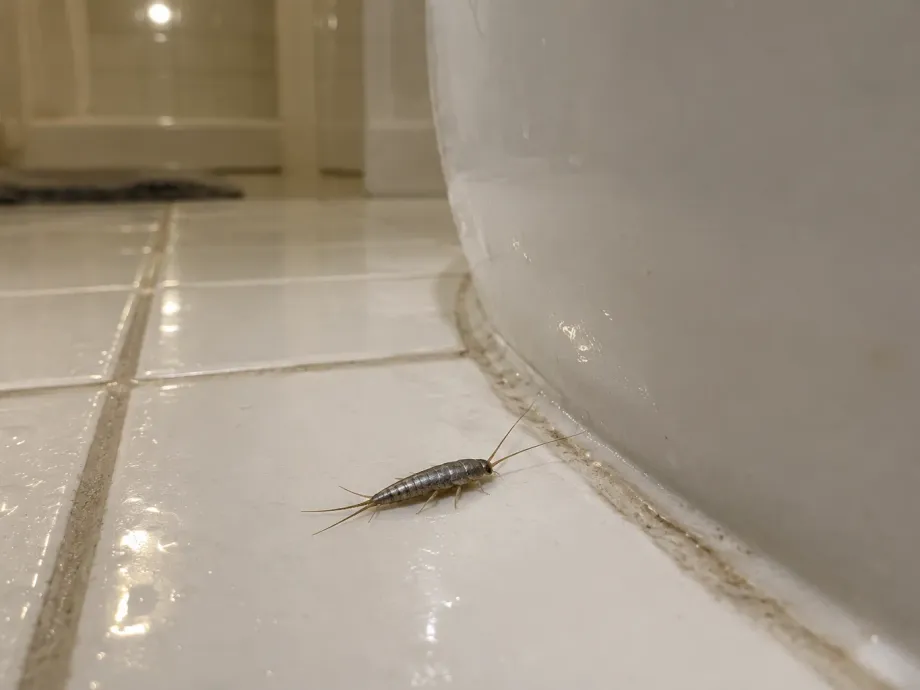
Silverfish overview
How to identify silverfish
Silverfish are about ½–¾ inch long, not counting their tails: carrot-shaped and silvery gray with shiny scales and three tails, and they wiggle like a fish when they move. They come out at night. Firebrats look similar but live in hot spots, near a furnace, water heater or boiler (UC IPM, NC State).
Why they’re in your house
Silverfish need high humidity and feed on starchy dry goods: paper, book glue, cereal, flour and dust. Damp bathrooms, basements, attics and storage boxes are where they settle (UC IPM).
Where to start
Read how to get rid of silverfish: fix leaks and bring humidity below 60%, trap to find where they gather, then treat those cracks. UC IPM suggests cockroach sticky traps or a small glass jar wrapped in masking tape, set under sinks, behind the toilet, in closets and by bookcases. Infestations are often small and scattered, so treat where the traps catch them, not the whole house (UC IPM). Dehumidifiers for silverfish covers what size to buy, and are silverfish harmful answers whether they bite.
How to keep them out
Dry air is what keeps silverfish away for good. The EPA’s target for homes is below 60% relative humidity, ideally 30% to 50%. Measure with a humidity gauge, which costs $10 to $50 at hardware stores; fix leaks under sinks, around the toilet, at the water heater and in the laundry area; run the bathroom fan during and after showers and wipe the tub dry; and run a dehumidifier in a damp basement.
When to call a pro
Call a professional if traps still catch silverfish two to three weeks after you dried out and treated the area, or if they hide in wall voids or an attic you can’t reach.
Sources: UC IPM: Silverfish and Firebrats; NC State Extension: Silverfish and Firebrats; EPA: A Brief Guide to Mold, Moisture and Your Home
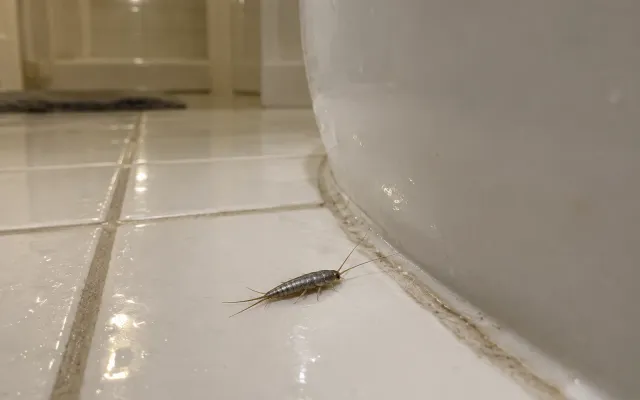
All silverfish guides
2 guides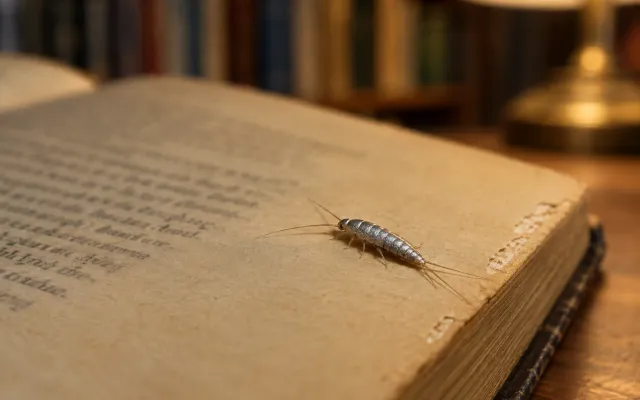
Safety & Cleanup
Do Silverfish Bite? Are Silverfish Harmful?
No. Silverfish don’t bite, sting or spread disease. They graze books, paper and starched clothes; sealed bins, drier air and a week in the freezer protect them free.
Updated Oct 4, 2026 · 8 min read
Prevention & Sealing
Dehumidifier for Silverfish: Does It Work, and What Size to Buy
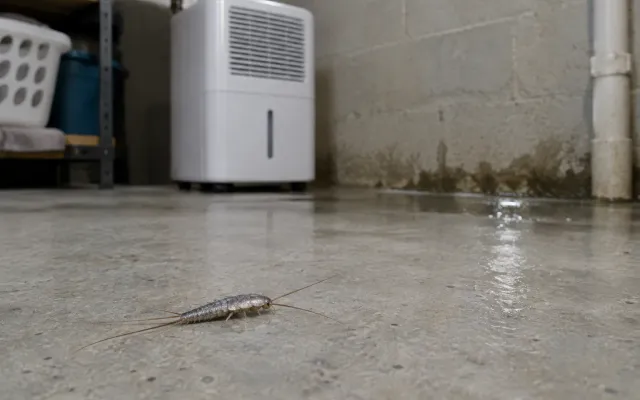
Yes, it helps: silverfish, springtails and house centipedes need damp air. Keep rooms at 30–50% humidity with a $130–150 dehumidifier and a $10 hygrometer, and fix the leak behind it.
Updated Oct 4, 2026 · 10 min read
Not a silverfish?
Guides for other pests.
- Mouse Control Guides44 guides


- Rat Control Guides34 guides


- Pantry Moth Guides2 guides
- Pantry Beetle and Weevil Guides2 guides
- Clothes Moth Guides2 guides
- Carpet Beetle Guides6 guides
- Cockroach Guides19 guides
- Springtail Guides2 guides
- Fly and Gnat Guides6 guides

- Stink Bug Guides2 guides
- Fall Invader Guides7 guides
Silverfish questions
Do silverfish bite?
No. Silverfish don’t bite or sting people or pets, and they don’t spread disease. They can damage paper, books and some fabrics.
What attracts silverfish?
Moisture and starch. High humidity plus paper, glue, cereal or dust gives them everything they need.
Will a dehumidifier get rid of silverfish?
It helps. Keeping humidity below 60% removes the moisture they need; trapping and treating the cracks where they gather finishes the job.