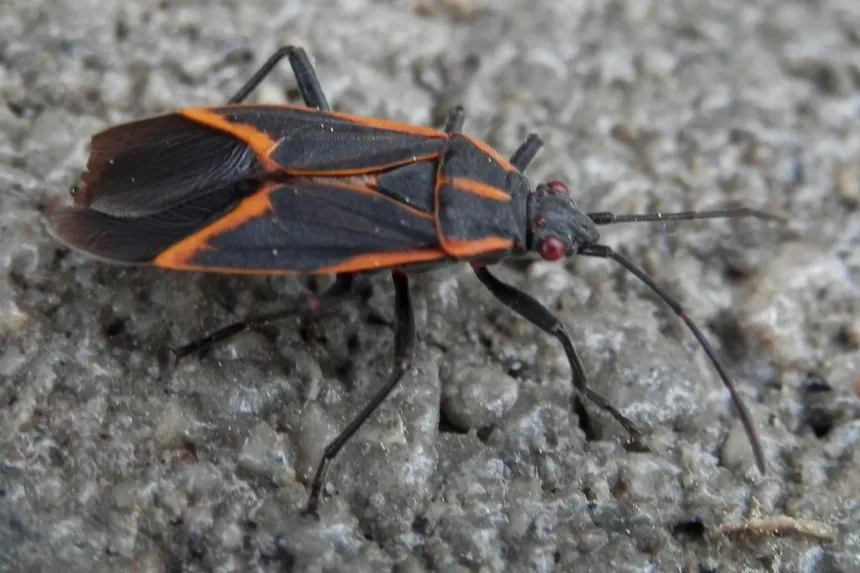
- Scientific name
- Boisea trivittata
- Size
- About 1/2 in
- Color
- Black with red or orange lines; nymphs bright red
- Found in
- Sunny walls near boxelder and maple trees; walls and attics in winter
- Harmful?
- No. Droppings can spot curtains and walls
- Active
- Gather in fall; reappear on warm winter and spring days
Boxelder bugs are flat black bugs with red lines that gather by the hundreds on warm, sunny walls in fall. They’re harmless: they don’t bite or sting, don’t breed indoors and don’t damage the house or food, though their droppings can stain and crushed bugs smell. The one thing to do: seal cracks around windows and doors before fall, and vacuum any that get in.
This page covers how to identify a boxelder bug, tell it from look-alikes and keep it out. It rests on University of Kentucky and UC IPM guidance.
How to Identify a Boxelder Bug: Black With Red Lines
- About 1/2 inch, long and flat.
- Black with red or orange lines down the center and sides of the plate behind the head and along the wing edges.
- Nymphs are smaller and bright red; adults and nymphs both have dark red eyes.
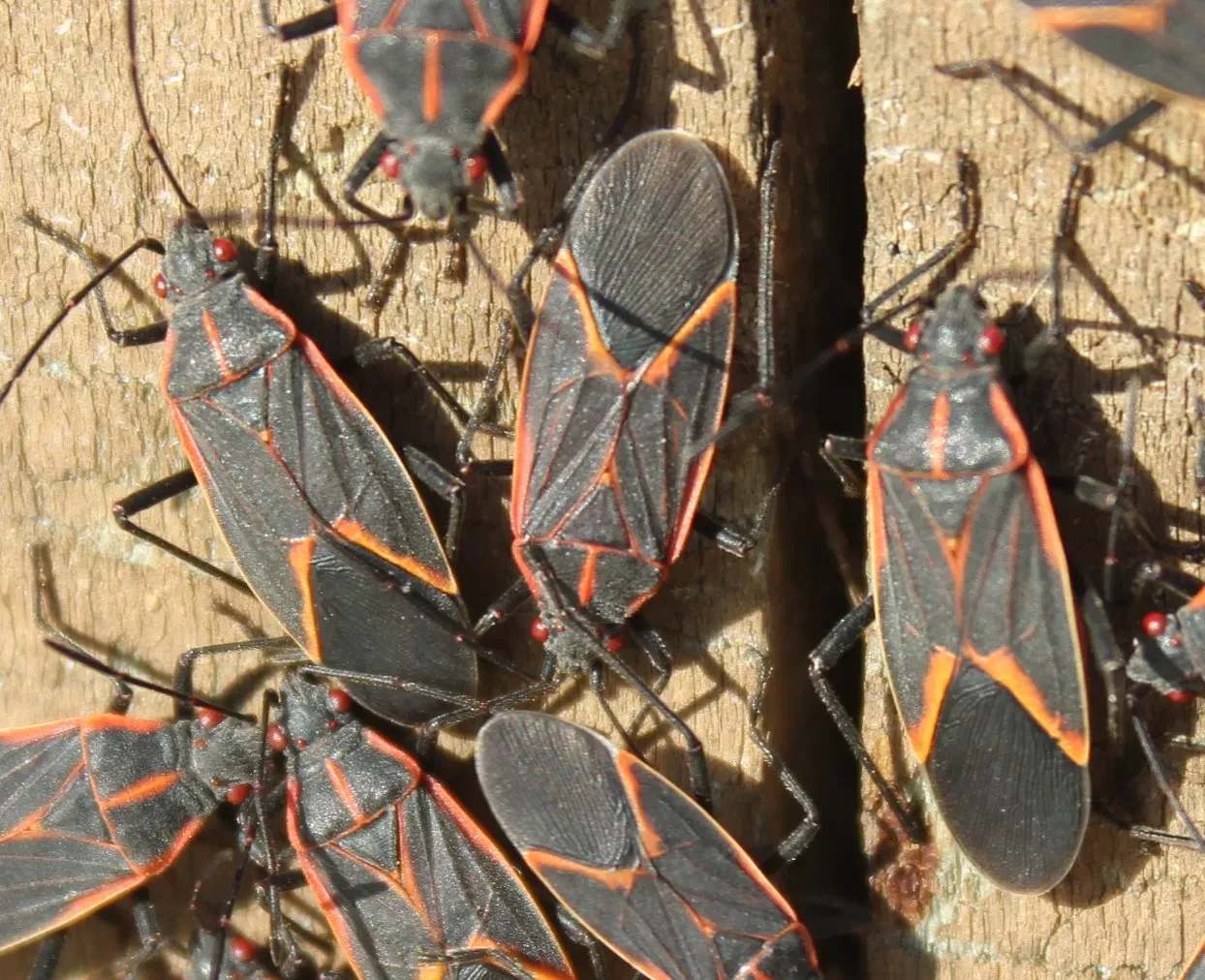
Boxelder bugs bunched on a sunny wooden post, the way they gather on siding in fall. Photo: Archbob (CC0), via Wikimedia Commons.
Boxelder Bug vs. Look-Alikes: Thin Red Stripes
| Insect | How it differs | How to tell |
|---|---|---|
| Boxelder bug | Mostly black, thin red stripes | Red along the wing edges |
| Milkweed bug | Mostly orange-red | Large black patches or bands |
| Kissing bug | Long cone head, feeds on blood | Six red-orange stripes on the abdomen edge |
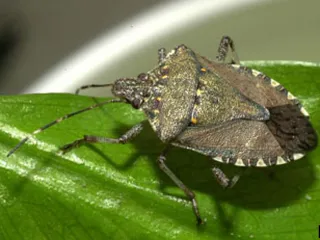
| Stink bug | Wide shield, mottled brown | Banded antennae and body edge |
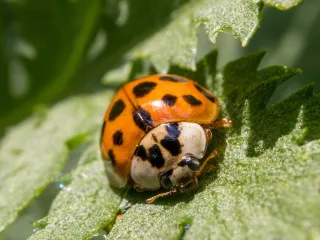
| Asian lady beetle | Round orange beetle | M mark behind the head |
Why Boxelder Bugs Gather on Your House: Sun and Seed Trees
They feed mainly on the seeds of female, seed-bearing boxelder trees, and sometimes on silver maple, sycamore maple, apple, pear and plum. They hatch in late May and stay active on host trees until early winter, often sunning on the south side of trees and buildings. Most spend winter in leaf litter, but some shelter on siding or slip indoors, mistaking indoor heat for spring (University of Kentucky).
Are Boxelder Bugs Harmful? No
They don’t bite or sting people or pets, and there’s no evidence they spread disease. Their droppings can leave small reddish stains on curtains and light walls, and crushed bugs give off a pungent smell like stink bugs. Because females need boxelder trees to lay eggs, they can’t set up a lasting infestation indoors.
What to Do: Seal, Vacuum, Leave Them Outside
Seal cracks around windows, doors, siding and utility openings before fall. Sweep or vacuum indoor bugs; pesticides indoors usually aren’t needed because they won’t breed or live long inside. Outdoors, it’s usually fine not to treat at all: numbers drop once the weather cools. Removing female boxelder trees near the house reduces numbers but isn’t usually needed, and insecticides shouldn’t go on boxelder trees in flower because of pollinators. The full plan is in how to get rid of boxelder bugs. For other pests, browse all pest guides.
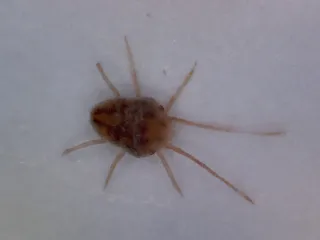
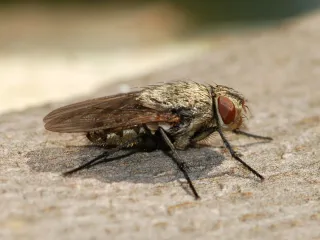
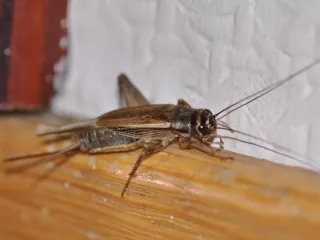
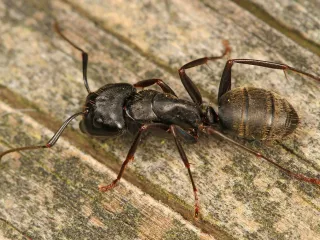
Often confused with
Sources
Last reviewed Oct 4, 2026.
_-_Kitchener,_Ontario.jpg)